01Outdoors · DAY 1 IDEA
Naka-ku
Chuo Park
A big, sprawling green space in the middle of the city. Broadly defined, the park grounds include many of the attractions below, including the castle and the Carp's old baseball stadium (scheduled for demolition). But Chuo Park is worthy of note in its own right, with nice, long walking paths and athletic fields — there are quite a lot of open-invitation soccer, football, and ultimate frisbee games that are regularly held here, so don't be shy about showing up with athletic shoes and seeing if anyone needs an extra.
Allow about 60 minutes · planning estimate
02Culture · DAY 1 IDEA
Hiroshima
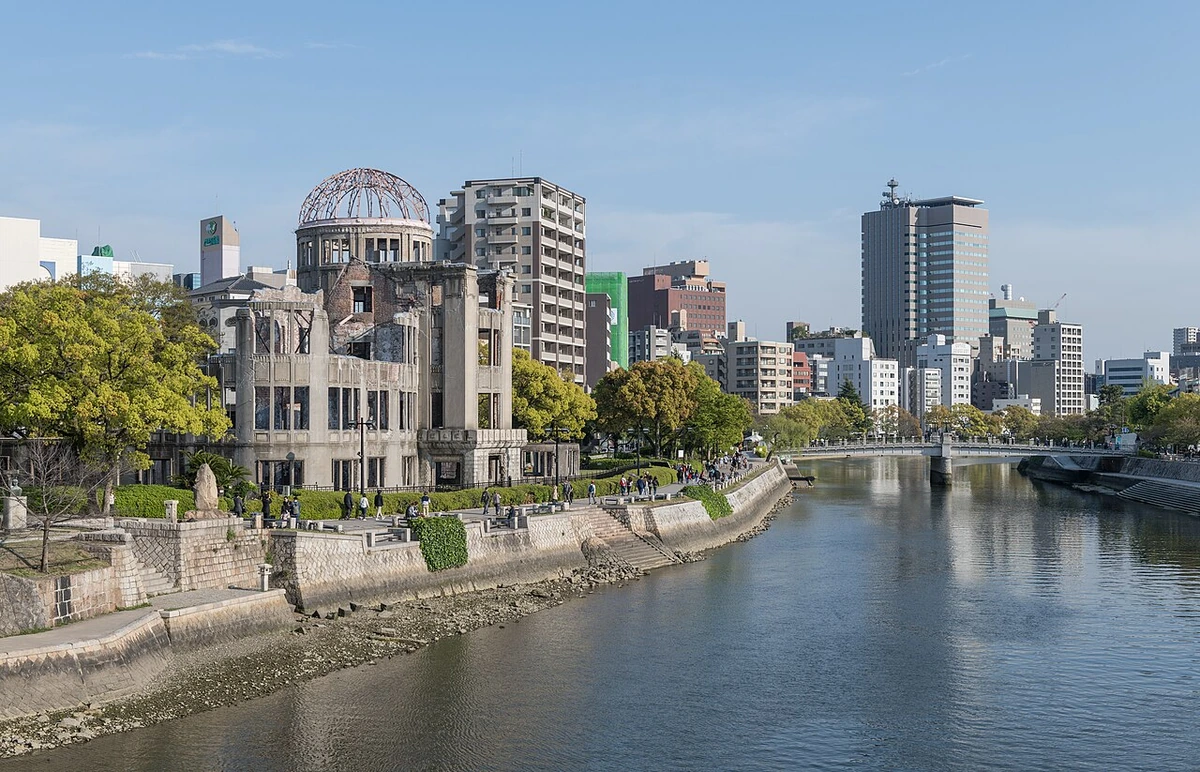
A-Bomb Dome
The skeletal remains of the dome are the most recognizable symbol of the atomic bombing in Hiroshima. In another lifetime, the building was one of the city's best-known sights for an entirely different reason; designed by Czech architect Jan Letzel in 1915, the Hiroshima Prefectural Commercial Exhibition Hall (and its fanciful green dome) had a bold European style in a grimy, crowded city with few modern flourishes.
Allow about 90 minutes · planning estimate
03Culture · DAY 1 IDEA
1-6 Nakajima-chō, Naka-ku
Hiroshima National Peace Memorial Hall for the Atomic Bomb Victims
The Peace Memorial Hall is dedicated to collecting names and photographs of people who died in the blast. The entrance of the memorial hall leads downward to a quiet hall for contemplation, and then back up again to a set of kiosks with compelling stories and recollections from survivors (in English and Japanese). Like the Cenotaph and the Peace Memorial Museum, it was designed by architect Kenzo Tange.
Allow about 90 minutes · planning estimate
04Culture · DAY 2 IDEA
1-2 Nakajima-chō, Naka-ku
Peace Memorial Museum
This heart-wrenching museum documents the atomic bomb and its aftermath, from scale models of the city "before" and "after" to melted tricycles and other displays and artifacts related to the blast. Some are extremely graphic, evocative, and quite disturbing. The rest of the museum describes the post-war struggles of the hibakusha and an appeal for the abolition of nuclear weapons in the world today. Be warned: a visit here, while absolutely worthwhile, will ruin your day. Allow plenty of time afterward to decompress.
Allow about 90 minutes · planning estimate
05Culture · DAY 2 IDEA
5-16 Fukuro-machi, Naka-ku
Former Bank of Japan
After the A-Bomb Dome, the former bank is the best-known pre-bomb structure in Hiroshima. Built in 1936, the city's main branch of the Nippon Ginko was only 380 m from the hypocenter; although its exterior remained intact, all 42 people inside the bank were killed by the heat of the blast. Remarkably, the bank was back in service only two days after the bomb and continued operation until 1992, when it was acquired by the city. Occasional art exhibitions are now held there. Hours of access are irregular, but it's worth stopping by to check.
Allow about 90 minutes · planning estimate
Reference material retrieved 2026-10-19. Suggested days and time allowances are editorial starting points. Check the linked visitor information for opening hours, access, and reservations.