01Culture · DAY 1 IDEA
288 South Bridge Rd
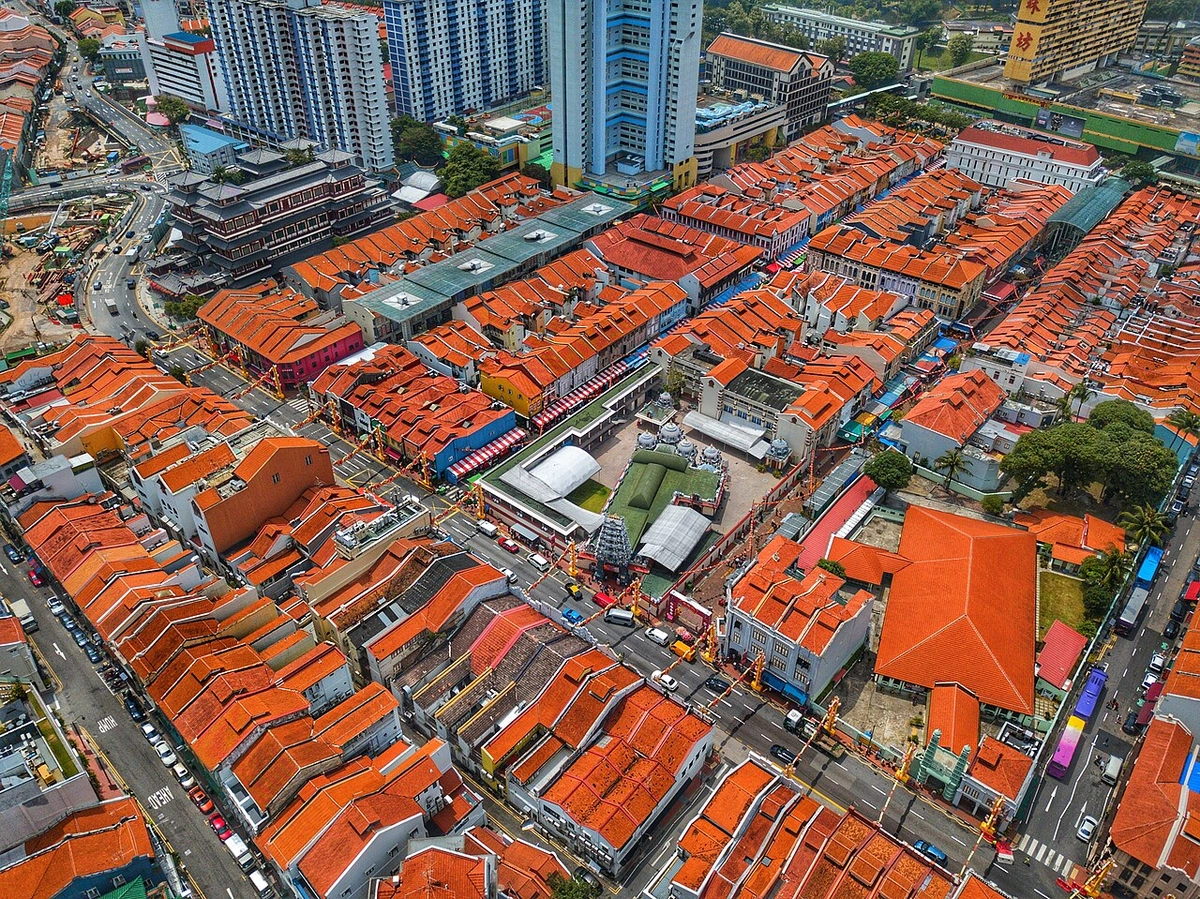
Buddha Tooth Relic Temple
Towering above southern Chinatown, this four-storey temple was completed only in 2007. The imposing main hall hosts a 27-foot statue of Maitreya Buddha, and the sacred relic itself, reputedly one of Buddha Shakyamuni's teeth, can be found on the fourth floor (visible only during daily ceremonies at 9-11AM, 2-3:30PM, 6:30-8PM). On the roof is the 10,000 Buddhas Pagoda, hosting a large Tibetan-style prayer wheel.
Allow about 90 minutes · planning estimate
02Culture · DAY 1 IDEA
244 South Bridge Rd
Sri Mariamman Temple
Singapore's oldest and most important Hindu temple and worth a visit for the intricately carved gopuram (statuary above the entrance), which gave adjacent "Pagoda Street" its name. This is an active temple, so take off your shoes and don't disturb the worshippers. The Thimithi fire-walking festival is held here one week before Deepavali, usually Oct-Nov.
Allow about 90 minutes · planning estimate
03Culture · DAY 1 IDEA
45 Maxwell Rd
Singapore City Gallery
3-storey visitor gallery with large scaled models of the entire country (ground floor) as well as the city centre (incredibly life-like), which provide good orientation of the country for first-timers. The gallery tells the history of Singapore's urban planning, various planning, design, and conservation strategies adopted to create a good living environment, sustainable development, and many others. Learn the story of Singapore's transformation from 3rd to 1st world, play games on land planning, and the expanse of land reclamation done on the island country.
Allow about 90 minutes · planning estimate
04Outdoors · DAY 2 IDEA
Chinatown
Ann Siang Hill Park
A nice hidden park with few visitors, connecting Telok Ayer and Ann Siang Hill. Hard to brave the heat and climb the multiple stairways though, to one of the highest geographical points in Chinatown.
Allow about 60 minutes · planning estimate
05Culture · DAY 2 IDEA
158 Telok Ayer St
Thian Hock Keng Temple
The oldest Chinese temple in Singapore, built by the Hokkien community, dating back to 1821, although the structure was thoroughly refurbished in 2000. Look out for the "swallowtail roof", a distinctive feature of traditional Hokkien architecture. The brightly colored, elaborate facade was constructed with ironwork from Scotland, tiles from England and the Netherlands, and dragon-ornamented granite pillars from China. It was built without the use of a single nail, instead relying on an interlocking system of wooden brackets, a technique dating back to ancient China.
Allow about 90 minutes · planning estimate
Reference material retrieved 2026-10-19. Suggested days and time allowances are editorial starting points. Check the linked visitor information for opening hours, access, and reservations.