
Make this your Sydney itinerary
THE SHORT VERSION
- Choose Newtown or Surry Hills as the day’s main base.
- Browse one shop closely rather than collecting storefront photos.
- Keep residential side-street photography considerate.
Choose one neighborhood to know a little better
Sydney’s inner neighborhoods are an appealing counterweight to a harbor-heavy itinerary. You can spend an afternoon looking at small shops, eating well, and noticing the city at the scale of a street corner. Newtown and Surry Hills both suit that kind of day, but I would choose one as the main base. Trying to combine them with a beach and the harbor can make ordinary browsing feel like a timed event.
Newtown offers a straightforward starting orientation around King Street, with side streets that let you step out of the main flow. Surry Hills gives you another arrangement of terraces, restaurants, cafes, and smaller commercial streets. Neither is a secret discovery, and neither needs that label to be enjoyable. The attraction is the opportunity to follow your own taste for a few hours without a prescribed sequence of ticketed sights.
Let one shop set the pace
Start with a bookshop, record shop, gallery, or independent store that genuinely interests you. Browse long enough to understand its selection. A shop is more rewarding when you notice what its owners choose to stock than when you use it only as evidence that you have visited a fashionable district. Ask a concise question if you want a recommendation, and accept that staff may have other customers to help.
When you buy something, choose a manageable object you will use or enjoy after the trip. It does not need the city’s name printed on it. A book that reflects an interest, a record you wanted, or a small useful design object can carry a stronger memory than an obligatory souvenir. Check luggage space and fragile packaging before an impulsive purchase becomes a problem for the rest of the day.
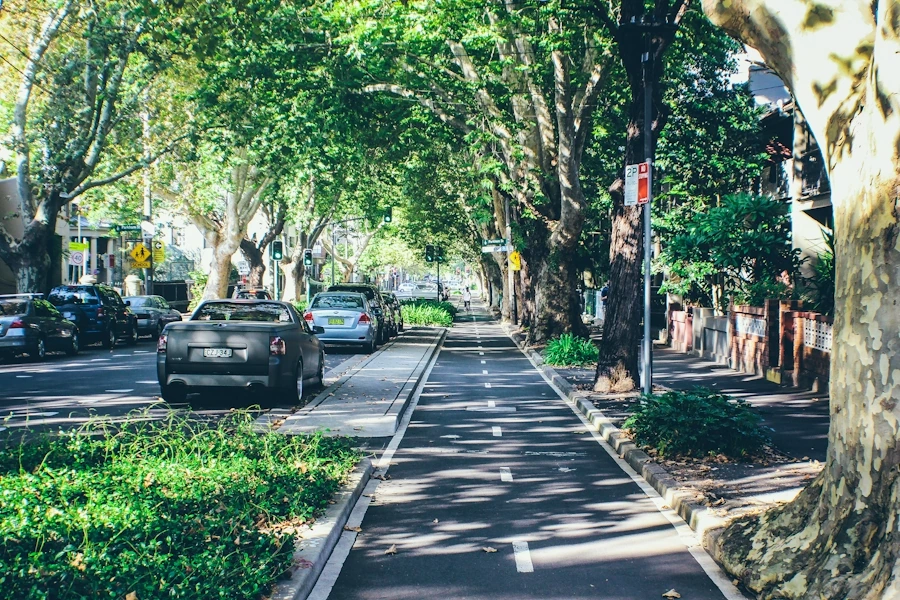
Use side streets to notice how people live
The residential streets give the main commercial roads context. Look at terrace fronts, small gardens, porches, and the way buildings meet the pavement, while remaining on public paths. Avoid making private windows or residents the focus of photographs without permission. An attractive doorway is still someone’s entrance, and a quiet street is not a place to organize a large group portrait across the footpath.
If you are interested in street art, choose a small route and look carefully rather than chasing a long list of changing murals. Art can disappear, be painted over, or become inaccessible during building work. Appreciate the work that is present on the day and avoid promising yourself an exact image from an old guide. The changing surface is part of the medium.
Make lunch the center, not the interruption
These neighborhoods reward a meal that lasts long enough to become a real pause. Choose a restaurant for the menu and atmosphere you want rather than for a ranking. Look at current opening arrangements before building a whole day around a small venue, and have a nearby alternative in mind. A simple place that can seat you comfortably may be better than a much-discussed queue when you are tired.
After lunch, leave the final stretch open. Return to a shop you liked, find a public green space, or stop for coffee before taking the train or bus onward. Do not add another neighborhood merely to make the day sound more comprehensive. The pleasure here is having enough time to form an opinion: which streets you enjoyed, which books you noticed, and where you would happily sit for another hour.
Follow your taste along a single high street
For a Newtown afternoon, make King Street your organizing line and choose the side streets according to something you want to see. A bookshop, record store, small gallery, or restaurant gives you a reason to turn rather than wandering with the vague expectation of finding authenticity. Begin near a practical rail arrival and let the route move in one general direction. If Surry Hills appeals more, choose a similarly compact cluster there. Both neighborhoods can support the day, but switching between them should answer an interest rather than an anxiety that you might miss a better cafe.
A good independent-shop visit starts with the selection. Look at how books are grouped, what a record shop puts at the front, or which materials a design store favors. These choices tell you more than a quick interior photograph. If a staff member has time, ask about a particular item or interest. Do not ask for a complete local itinerary while other customers wait. Buy something if it genuinely appeals and fits your luggage; otherwise, browse considerately and leave the display as you found it. The encounter does not need to become a performance of being a traveler with unusual taste.
Street art is worth approaching with a similar openness. Search for public works that are present now, rather than measuring the visit against an old image that may have been painted over. Read any credit or interpretation you find, and consider how the work fits the wall and street. Keep private thresholds clear while looking. Some residential fronts will be attractive, but that does not make a doorstep available as a portrait set. A wider street photograph from an appropriate position can communicate the neighborhood without entering anyone’s personal space.
For lunch, compare menus within the area you are already enjoying. A restaurant several transit connections away may be excellent, but it changes the character of a browsing afternoon. If you reserve, use the booking as the central appointment and keep the morning walk modest. If you do not reserve, have two plausible options nearby rather than assuming a small venue can always seat your group. Ask about ingredients before committing, especially when a fashionable menu uses shorthand that does not tell you everything in a dish. A comfortable, understood meal is preferable to one chosen solely by reputation.
After lunch, allow the last hour to remain genuinely open. Return for the book you kept thinking about, look at another public street, or simply stay over coffee if everyone is comfortable. Do not add a final distant neighborhood because the train network makes it possible. Inner Sydney rewards the opinions you develop while browsing: the shop whose selection matched your taste, the street you would like to revisit, the dish that made a good afternoon. Those are specific memories, and they require a little unscheduled time to form.
A book can be a route through the city
If you find a book about Sydney that interests you, read its description before buying rather than choosing solely by the cover. A subject-specific book can give a neighborhood afternoon a longer life, whether it concerns architecture, food, music, or local history. Ask a bookseller for a recommendation within that interest when they have time. The result can be more personal than a generic city souvenir. You may later return to a passage and recognize a street you walked, or discover a reason for another visit. That is an appealing connection between browsing on holiday and the ordinary reading life you take home.
Sources & further reading
First published 18 October 2026. Page updated 19 October 2026. Planning references checked on 18 October 2026. The edition date above follows your device’s time zone; it does not indicate a new research check. Confirm current opening details and booking arrangements with the places you plan to visit.