
Make this your Auckland itinerary
THE SHORT VERSION
- Choose Waiheke or Rangitoto according to interests and preparation.
- Plan onward island travel and the return ferry before booking.
- Follow current island biosecurity and track guidance.
Start with an honest choice about time
Auckland’s waterfront makes it easy to imagine an island escape before you have worked out what kind of day you want. Waiheke, Rangitoto, and other destinations offer very different outings. I would choose one island only when you can give it enough time, then keep the city waterfront as a separate, flexible chapter. A ferry is not simply a scenic add-on if the destination needs preparation after you disembark.
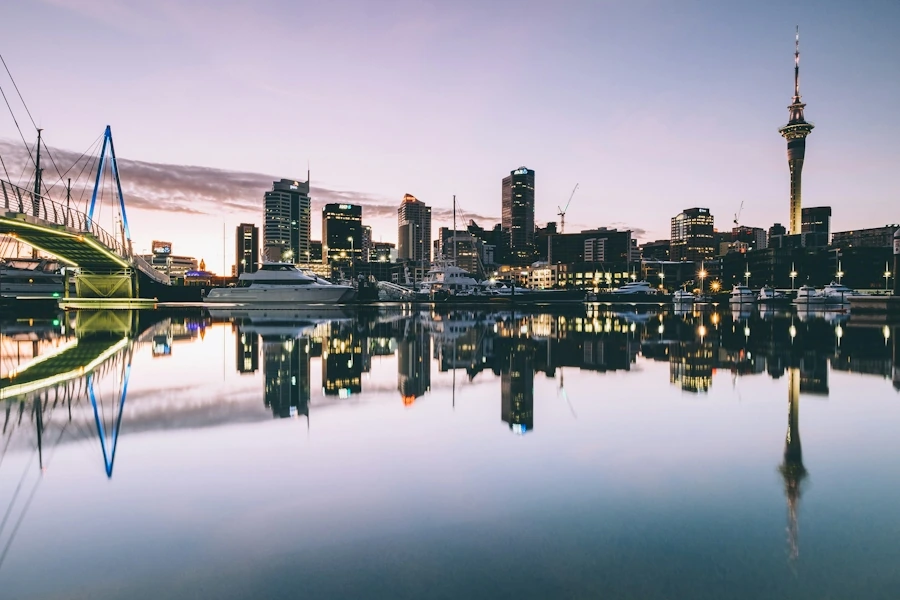
Begin with a short public waterfront walk to understand where services leave and how the harbor fits the city. The area around the ferry terminal and adjoining public spaces provides an orientation, while a stroll toward Wynyard Quarter offers a different urban waterfront atmosphere. Use current pedestrian access, since working waterfronts and construction can change the most direct route.
Choose Waiheke for a varied island day
Waiheke can suit a day that combines a chosen beach, a village meal, and another activity organized in advance. The island is not a single compact attraction immediately beside the ferry. Check how you will travel onward, what you want to do, and how it fits the return service. A winery booking, walk, or beach visit each changes the transport equation.
Keep the plan smaller than the map invites. One substantial stop and a meal can be enough, especially if you want time to look around rather than move continuously. If alcohol is part of the visit, organize appropriate transport and do not treat driving as an afterthought. You can enjoy Waiheke’s scenery without making a sequence of tastings the structure of the entire day.
Choose Rangitoto for a prepared outdoor outing
Rangitoto asks for a more explicitly outdoor plan. Its volcanic landscape is a strong reason to go, but the outing needs current Department of Conservation guidance, suitable footwear, water, food, and a return-ferry decision. Do not assume you can buy everything after arrival or casually extend your stay if you miss a service. Conditions and services determine what is realistic.
Stay on permitted tracks and follow biosecurity instructions for island travel. Check bags and footwear as directed, and respect any closed areas. A conservation landscape is not a place to improvise a shortcut because another route looks better in a photo. The walk is worthwhile when you can pay attention to the land beneath your feet as well as the distant city.
Let the mainland be enough when it should be
If your time or weather does not support an island visit, a waterfront day in Auckland is still a good plan. Choose a meal, a manageable public walk, and perhaps a cultural stop elsewhere in the city. Avoid buying an unsuitable ferry outing simply because the harbor makes departure look tempting. The best island day is the one prepared for the place you actually chose.
When you do return from an island, keep the evening easy. Allow for the walk from the terminal and any onward transport before making a tight dinner reservation. The pleasure of seeing the city reappear across the water is best enjoyed when you are not already worrying about being late. One considered island visit can give Auckland a stronger sense of place than several hurried departures.
Book the return before dreaming up another stop
The island decision begins with what you want after disembarking. Waiheke can support a meal, a selected beach, a booked tasting, or a walk, but those possibilities occupy different places. Rangitoto is an outdoor conservation outing that requires preparation. Neither is simply a cruise with an interchangeable stop at the end. Read the current destination information, choose the day’s main activity, and then select a service that supports it. The view from the ferry will be enjoyable, but it should not be the only part of the trip you have thought through.
For Waiheke, work out onward movement before boarding in Auckland. A village, beach, or venue mentioned on a tourism page may not be a comfortable walk from your arrival point. Check the current transport options and leave time around a reservation. If you plan a tasting that involves alcohol, use a suitable transport arrangement and make that decision before reaching the island. A single venue and a meal can provide enough variety. Booking several separated appointments can make an island associated with relaxation feel surprisingly like a workday, complete with a timetable you are always trying to recover.
For Rangitoto, use the Department of Conservation’s current advice to decide what gear, food, and water you need. Check the available tracks and service timetable, including the return that actually works for your chosen walk. An island outing is not the place to assume another departure will always appear later. Follow the prescribed biosecurity checks and keep bags and footwear clean as instructed. Stay on open tracks, avoid shortcuts across vegetation or rough lava, and choose a route that leaves enough energy for the walk back to the landing point. The return is part of the hike, not a detail after the summit photograph.
If the forecast or service notice makes an island trip unsuitable, use the mainland waterfront deliberately. The public route toward Wynyard Quarter and the central ferry area offers a way to look at Auckland’s harbor connections without an ambitious departure. Check any current pedestrian detour and respect working areas. Choose a cultural institution elsewhere in the city if you want a second substantial chapter, then connect it with a manageable street walk. A well-chosen mainland day is more enjoyable than an island visit improvised without enough preparation because you did not want to give up the idea of a ferry.
When returning from an island, avoid a dinner reservation so tight that the last hour is spent checking the time. Allow for boarding, possible service changes, the walk from the terminal, and onward travel. A simple meal near your accommodation can be a good finish after an outdoor day. As Auckland comes back into view, look for the relationship between the city and the islands you have just visited. That wider geography is the reward of the outing: not simply having left the city, but understanding more clearly how the harbor holds it together.
Separate a ferry image from an island plan
A photograph taken from the boat can make an island seem closer and simpler than it feels after arrival. Keep that distinction in mind when sharing recommendations afterward. Describe the onward transport or walking preparation that your chosen day actually involved, not only the scenic crossing. This is especially useful for another traveler deciding between Waiheke and Rangitoto. They may want a different kind of outing from yours. A clear account of the practical shape of the day helps them choose, while the harbor photograph supplies inspiration. Both are valuable when neither is asked to stand in for the other.
Sources & further reading
First published 18 October 2026. Page updated 19 October 2026. Planning references checked on 18 October 2026. The edition date above follows your device’s time zone; it does not indicate a new research check. Confirm current opening details and booking arrangements with the places you plan to visit.