
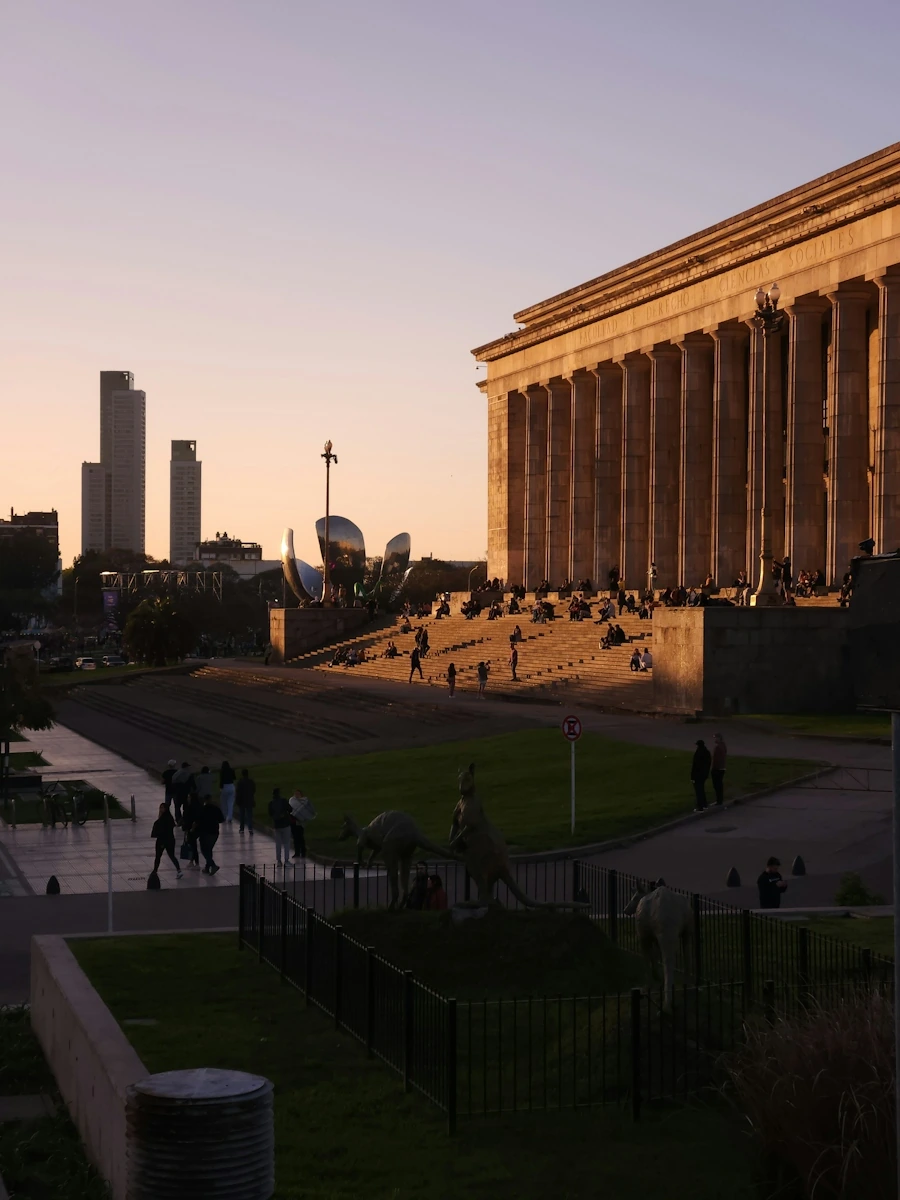
Make this your Buenos Aires itinerary
THE SHORT VERSION
- Choose one museum and one green space before adding neighborhood stops.
- Check actual distances between Palermo’s park areas and its café districts.
- Treat Recoleta Cemetery as a respectful cultural visit and leave an open hour in the day.
Use the neighborhoods to make choices
Palermo and Recoleta can produce an itinerary so long that the places become labels rather than experiences: rose garden, Japanese garden, museum, cemetery, bookshop, café. I’d choose one museum and one outdoor setting, then let the surrounding neighborhood fill the spaces. This side of Buenos Aires rewards time at a table and a slower walk as much as a sequence of institutions. The best route depends on whether you are most interested in art, gardens, architecture, or people-watching.
Do not treat Palermo as one compact square. It covers several different environments, from busy shopping and dining streets to large park areas. Recoleta adds another set of destinations and distances. Look at the actual map before assuming every famous name fits comfortably on foot. A short transit connection between two chosen areas can improve the day considerably. Start by confirming the museum you want to visit, then build around its opening arrangements and your appetite.
Give Malba the attention it deserves
Malba is a rewarding anchor if you want to engage with Latin American art rather than see Buenos Aires only through European-looking facades. Check the current exhibitions and collection displays before you go; individual works rotate and temporary programs change. I’d arrive with a little curiosity about a theme, artist, or period, then allow the visit to complicate what I expected. You do not need a complete art-history background to notice a powerful relationship between materials, image, and context.
Choose a manageable number of rooms to look at properly. Read the interpretation around a work that catches your attention, then return to it after seeing the surrounding pieces. A museum visit can be satisfying without photographing every label. If the exhibition becomes the highlight, let it take more of the day and shorten the garden afterward. Malba, a second museum, a long lunch, and several neighborhoods are not all improved by being compressed into one afternoon. Give the art a fair share of your concentration.
Choose a garden according to your mood
The Palermo park area offers several possible outdoor stops, but you do not need all of them. El Rosedal suits a slower walk through a formal garden setting, especially when conditions are pleasant. The Japanese Garden offers another designed landscape and its own visitor arrangements. The botanical garden can appeal if you want planting and shade closer to urban streets. Check current access for the place you choose and allow for seasonal change rather than expecting a particular bloom.
I’d pick one, bring water, and take a seat before moving on. Look at the garden’s design as well as its plants: the way a path directs attention, a bridge changes the view, or a boundary separates quiet from traffic. That is more interesting than counting flower beds. If the weather is poor, use the outdoor stop as a brief transition instead of insisting on a long walk. A warm café after a focused museum visit can serve the day better than a wet circuit of every lake.
Make Recoleta a deliberate second chapter
Recoleta can be a separate half day, or a focused extension if you still have energy. The cemetery is a distinctive architectural place to investigate, but it is also a burial ground. Check visitor rules and current access, keep voices appropriate, and avoid treating monuments as props for a performance. A guided visit can help explain people and symbols if that interests you; otherwise, a modest route and careful observation are enough.
The surrounding area offers more than one famous attraction, so decide whether you want a cultural venue, a square, or a meal rather than drifting between them in search of a perfect street. I’d keep a bookstore visit for another moment if it requires a substantial detour from your actual route. Buenos Aires is not improved by making every beautiful interior compulsory. Recoleta works best when you have room to notice the contrast between monumental spaces, apartment streets, and ordinary neighborhood businesses.
Let the meal reflect the part of town you chose
For lunch, look at menus near the museum or garden you are already visiting. A lighter meal may suit an afternoon of walking better than a large grill plate, while sharing can make a substantial restaurant lunch more manageable. Ask about portion sizes before ordering. If you want to try a parrilla, choose it intentionally and allow time; a rushed meal does not become more representative simply because the food is famous.
Palermo’s café and restaurant streets can be a different outing from the park district, so check the distance before promising everyone a short walk to lunch. Recoleta likewise offers a range of settings and prices. I’d choose comfort, current food information, and a convenient location over an address included in every old guide. A good table gives you time to discuss the art or watch the street. That pause helps a city day become more than an accumulation of rooms and paths.
A route for people who prefer green space
If gardens matter more than art, start with the botanical garden area around Plaza Italia, then choose a further green-space visit only if the connection feels comfortable. El Rosedal and the lakes form a different chapter from Palermo Soho’s restaurant streets, and moving between them is a real part of the plan. Have lunch near the section you choose instead of crisscrossing Palermo to match a restaurant saved weeks earlier.
For an art-first route, begin at Malba and leave Recoleta as a possible continuation. That puts a clear institution at the center and prevents the day from dissolving into a long search for the next garden entrance. If companions have different priorities, agree on the museum length beforehand and make the next stop a shared café. A compromise with time to talk usually works better than alternating attractions so quickly that neither person feels they have actually visited.
Keep one open hour for the unexpected
Leave an hour without a specific destination. You might return to a garden bench, browse a design shop, stay longer in an exhibition, or find a café where the afternoon becomes dinner. This is a practical choice in a large city: traffic, weather, and simple enjoyment all change the plan. A deliberately open period absorbs those changes without making the rest of the day feel late.
At the end, choose an uncomplicated journey back and save any remaining destinations for a future visit. If you have seen Malba properly, enjoyed one green space, and spent time in either Palermo or Recoleta, the day is already full. I’d remember a particular artwork, a garden view, and the place where I ate, rather than attempt to remember the order of ten attractions. Buenos Aires has plenty of elegance, but a good day here also has room for appetite, curiosity, and an ordinary unplanned conversation.
Sources & further reading
First published 18 October 2026. Page updated 19 October 2026. Planning references checked on 18 October 2026. The edition date above follows your device’s time zone; it does not indicate a new research check. Confirm current opening details and booking arrangements with the places you plan to visit.