
Make this your Buenos Aires itinerary
THE SHORT VERSION
- Connect San Telmo and La Boca by a planned transfer rather than an assumed sightseeing walk.
- Use San Telmo for a measured market or restaurant lunch and check portion sizes.
- Make Fundación Proa or another confirmed cultural visit the anchor of a daylight La Boca outing.
Two neighborhoods, two different kinds of theater
San Telmo and La Boca are often bundled together because both belong to the familiar visitor image of Buenos Aires. They are more interesting when you notice how differently that image is made. San Telmo invites you to look at old shopfronts, market activity, and streets where commerce and leisure overlap. Around Caminito, La Boca presents color and performance more directly, while the nearby river and art spaces complicate the postcard. I’d connect them with a planned transfer rather than assume every street between them is a sightseeing route.
Allow most of a day if you want to eat properly and enter an exhibition. Begin with San Telmo or La Boca according to your main priority: a morning neighborhood walk, a specific market visit, or an art exhibition with fixed opening arrangements. You do not need to arrive on the busiest market day to appreciate either area. Busy weekends bring energy and crowds; a quieter weekday allows more space but may not offer every event you imagined. Check the current calendar before choosing the day.
San Telmo is best at the scale of a block
Around Defensa and Plaza Dorrego, slow down and look at the layers of ordinary buildings rather than hunting only for a famous tango image. Antique shops, cafés, doorways, and changing pavement textures create the neighborhood’s appeal. Some places invite a browse; others are private or in active use. Treat the distinction carefully. An attractive entrance is not permission to walk through it, and a person dancing or playing music should not be photographed as if they were a permanent fixture.
The market hall can provide a natural lunch anchor, with the useful combination of browsing and prepared food. Make a circuit first, compare menus, and choose a meal rather than a sequence of snacks purchased out of fear of missing something. If you prefer a traditional neighborhood restaurant, a bodegón-style meal can fit well, but ask about portions because sharing may make more sense than separate large orders. I’d keep lunch here unless an exhibition in La Boca is the main fixed point; moving hungry between neighborhoods rarely improves decision-making.
Give the streets a cultural question
Tango is an understandable interest, but look for a performance or venue that explains what experience you are buying. A brief public display, a dinner show, and a social dance setting are different things. If you want to watch rather than participate, confirm that visitors are welcome and understand the etiquette. A polished stage production can be enjoyable without pretending it is an accidental discovery in a local living room.
For a quieter cultural afternoon, look at galleries, small museums, or historic interiors on your actual route. Pick one that interests you and check current opening information. I’d rather spend forty minutes with a focused exhibition than photograph six doors labeled cultural. San Telmo’s streets make more sense when you connect them with an interest: trade, migration, domestic life, design, or dance. The point is not to prove you have found the most authentic corner; it is to notice something concrete that changes how you read the neighborhood around you.
Arrive in La Boca with a clear destination
Use a sensible transfer to the visitor area around Caminito, then explore in daylight with normal attention to belongings and your surroundings. La Boca is a residential neighborhood as well as a destination, and the colorful core does not make every adjacent street part of one continuous visitor precinct. Ask your accommodation or a trusted local provider about a practical route if uncertain. A little planning lets you spend your attention on what you came to see.
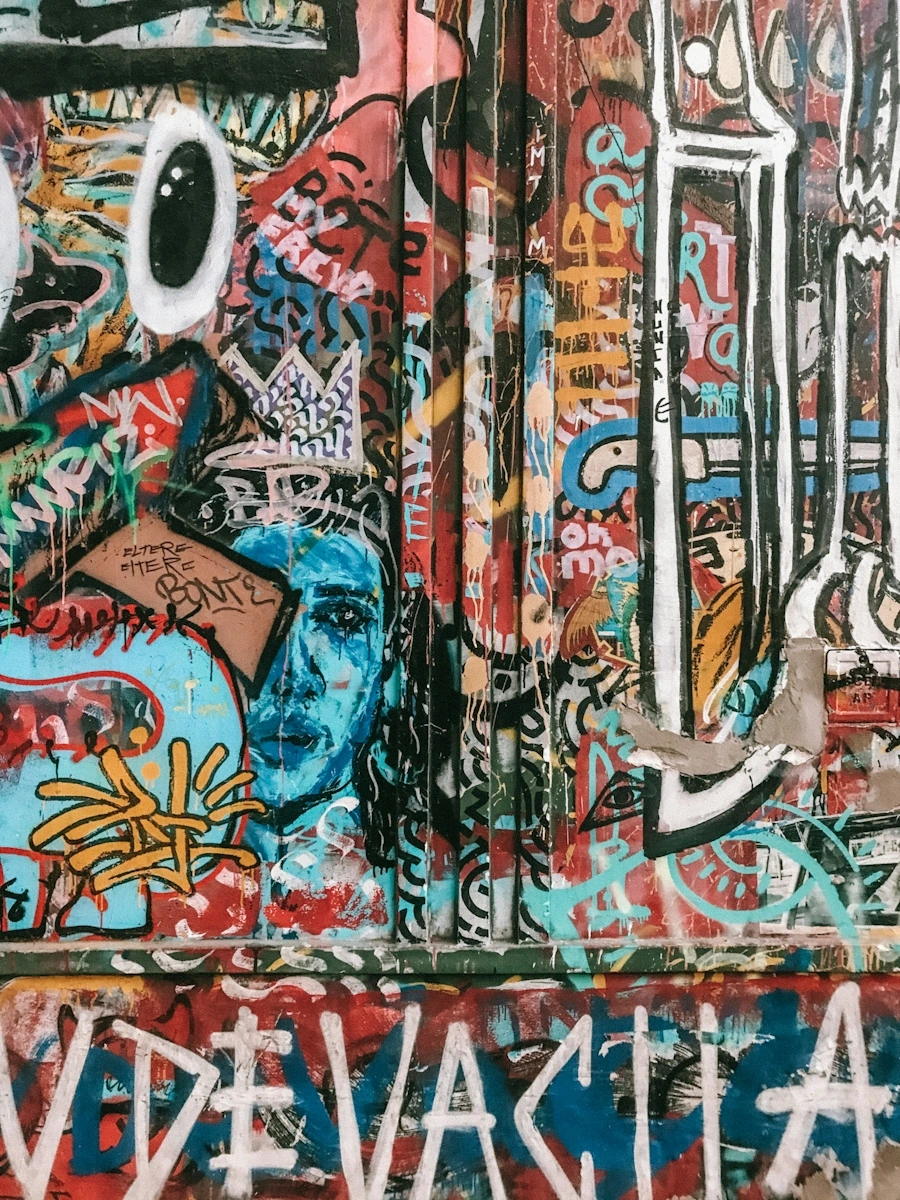
Caminito’s painted surfaces and staged activity can feel lively, commercial, and crowded. Those qualities are not mutually exclusive. Enjoy the color, but resist treating a single short street as a complete explanation of the neighborhood. Look toward the working river edge, notice industrial scale beyond the bright facades, and choose a cultural stop that adds another perspective. Football is another strong local presence, but stadium visits and match tickets need their own official arrangements. Do not rely on a street offer or assume a spontaneous visit includes access.
Let Fundación Proa change the conversation
Fundación Proa near Caminito is an appealing way to add contemporary art and a different pace to the visit. Consult its current exhibition program before committing, because changing shows shape the experience. A major exhibition can become the main reason for going to La Boca, with the surrounding streets as context rather than the other way around. That is especially useful if you enjoy art but are less interested in a heavily photographed souvenir area.
Inside, look at the relationship between the exhibition and the building’s place beside the river. If a café or terrace is available, check its current arrangements rather than assuming it is included in every admission. I’d allow enough time that the visit does not become a quick escape from the crowds outside. Choose a work or idea to think about, then return to the street and see whether the surroundings look different. The contrast between contemporary culture and industrial waterfront can be more memorable than another close-up of a brightly painted wall.
A sensible order for an art-focused visit
If Proa’s current exhibition is your main interest, start in La Boca during its confirmed visiting period, then transfer to San Telmo for a late lunch and a neighborhood walk. That order gives the art your best attention and leaves the more flexible part of the day afterward. If Sunday street-market activity is the priority, reverse the sequence and accept that you may choose a shorter La Boca visit. Neither order needs a cross-city detour to add a famous steak restaurant.
For travelers interested in design, the strongest souvenir stop may be an antique or independent shop in San Telmo rather than the first stand beside Caminito. Compare condition, provenance, and luggage practicality before buying. A small print or useful object with a clear story can be easier to enjoy at home than a bulky purchase made mainly because the afternoon felt festive.
End with dinner where you want to spend the evening
You do not need to stay in the southern neighborhoods until late merely to finish the route where you began. Choose an evening plan according to the meal, performance, or neighborhood you actually want next, and arrange a straightforward transfer. If you are tired, return to your accommodation before dinner. Buenos Aires invites long evenings, but that is a reason to preserve energy rather than spend every afternoon hour on foot.
Before leaving, keep a note of a shop, dish, gallery, or street detail that would draw you back. Avoid judging the whole day by whether you saw a spontaneous tango performance or obtained an empty Caminito photograph. Neither is a reliable condition for a good visit. I’d remember the differences: San Telmo’s block-by-block texture, the market’s practical bustle, La Boca’s public color, and art beside the river. Those contrasts offer a richer introduction than trying to make both neighborhoods conform to one romantic version of Buenos Aires.
Sources & further reading
First published 18 October 2026. Page updated 19 October 2026. Planning references checked on 18 October 2026. The edition date above follows your device’s time zone; it does not indicate a new research check. Confirm current opening details and booking arrangements with the places you plan to visit.