
Make this your Copenhagen itinerary
THE SHORT VERSION
- Use the Harbour Circle as inspiration for a manageable personal route.
- Make one pedestrian crossing a deliberate change of perspective.
- Treat Islands Brygge as an optional extension and check swimming arrangements separately.
The harbor is a place to spend time
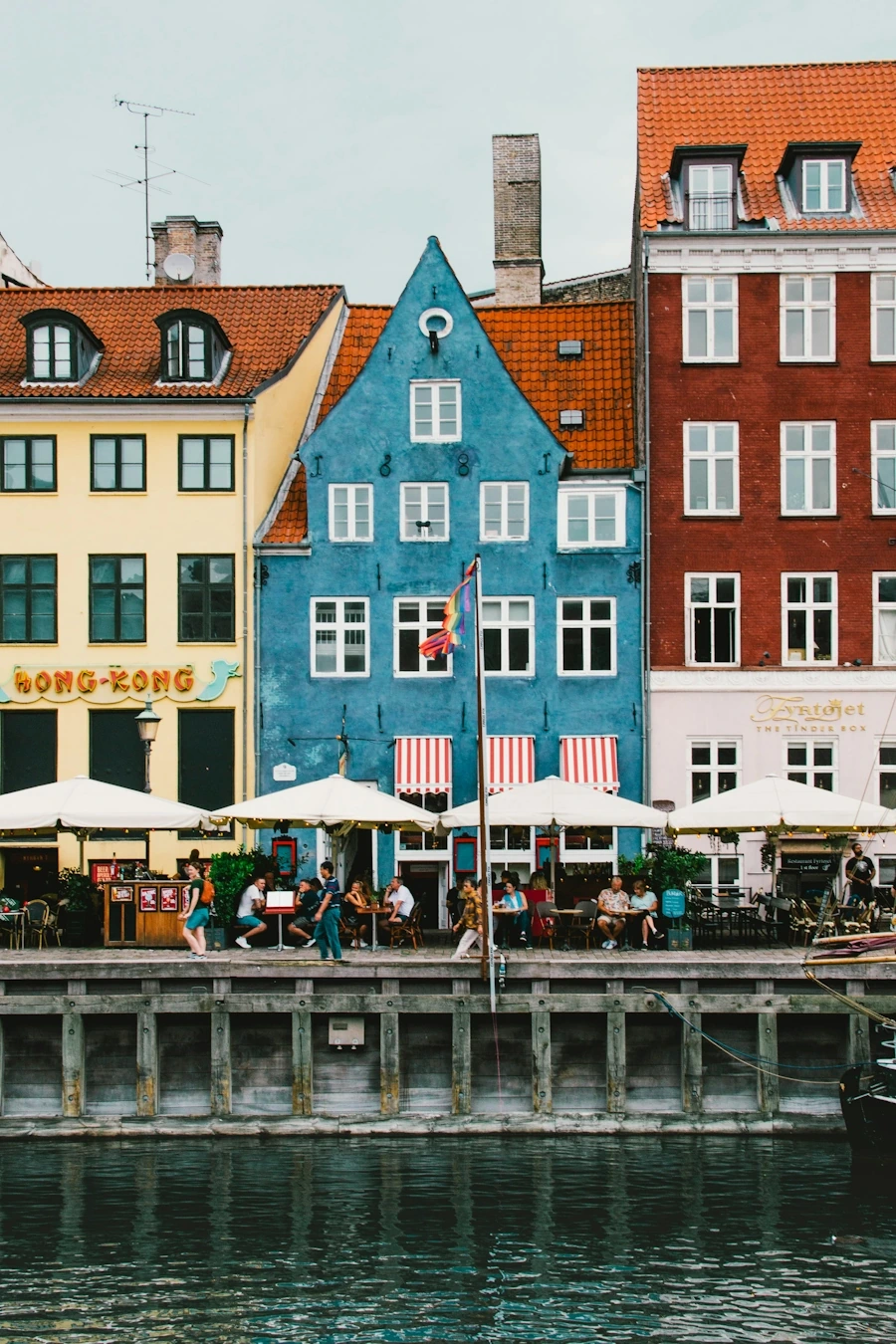
Nyhavn gives Copenhagen an instantly recognizable image, but the harbor becomes more interesting when you keep looking beyond that first frame. Water connects historic frontage, contemporary buildings, bridges, and places designed simply for being outside. I would choose a manageable inner-harbor loop rather than commit to every section of the official Harbour Circle. The larger route is useful inspiration, but it is not a test of how much waterfront you can cover before lunch.
Begin by deciding whether you want architecture, a leisurely walk, or a food stop with a view. Those interests can overlap, but one should set the pace. The harbor is exposed enough that the day's conditions matter, and a flexible plan can move between walking, a café, and an indoor cultural visit. You do not need a swim or a boat booking to enjoy the water. Public space is already a substantial part of the attraction.
Let Nyhavn establish the older scale
At Nyhavn, look at the relationship between buildings, boats, and the channel before focusing on individual colors. The appeal is partly the repeated rhythm of narrow frontages beside water. Walk far enough to experience different angles rather than stop only where the most familiar photograph suggests. A view from a slightly different position can make the place feel less like an image you have inherited and more like a space you are beginning to understand.
If you want a drink here, choose the actual menu and seating arrangement that suits you. A famous setting can be worth paying for when that is a conscious choice; it is less enjoyable when you sit down without knowing what you are ordering. You can also enjoy the waterfront without buying anything. My preference would be a short initial look, then a walk toward a different harbor space before deciding where to settle for a longer pause.
Cross the water to change the perspective
The inner harbor's pedestrian and cycle connections make it possible to experience both sides within a compact outing. Use a current map and follow the marked separation of walking and cycling space. A bridge is not just a connection to the next attraction: it changes the scale of the view and shows how the city is arranged around the water. Stop only where you can do so without blocking others and give the crossing a little attention.
Looking back is particularly rewarding. Buildings that dominated a close street view become part of a broader composition, while a new side of the harbor brings different materials and proportions into focus. I would use one crossing as the main turning point of the walk instead of repeatedly zigzagging. That keeps the route clear enough to navigate casually and leaves time for the spaces on either side rather than turning every bridge into another compulsory photograph.
Christianshavn brings a closer relationship with water
Christianshavn offers a useful change from the broad harbor, with canal-side streets giving the water a more enclosed urban setting. Choose a short public route and notice the difference in scale. You can look at entrances, bridges, and the way streets meet the canals without constructing an elaborate list of landmarks. This is a good chapter for slowing down after an open crossing and allowing the smaller details of a neighborhood to hold the attention.
Do not assume every attractive waterside edge is an invitation to sit or enter. Follow public access and leave working areas, private entrances, and boat access clear. If you want a café stop, choose one because you like its actual offering rather than because a map labels the district as charming. The most satisfying local exploration is often ordinary: a drink, a useful seat, and enough time to watch how a public place is used.
Contemporary architecture gives the walk another subject
The official Copenhagen guide highlights waterfront cultural buildings and public spaces around the Royal Danish Playhouse, Opera House, and other harbor landmarks. Choose one or two exteriors that interest you and look at how they address the water. Is the building designed to be viewed from across the harbor, approached closely, or moved around? That question gives contemporary architecture a more accessible entry point than trying to memorize architect names while walking.
A museum or performance can make a separate anchor if it genuinely appeals, but check its program and admission rather than assume exterior interest guarantees an interior visit. I would keep an indoor choice in reserve for poor weather. A cultural building can still contribute to the day's story from outside. What matters is the relationship among its form, the public route, and the river-like space it faces, which you can begin to understand without a ticket.
Ofelia Plads and the Playhouse promenade are useful public-space subjects even without a performance booking. Look across toward the Opera House, then walk around the building's waterside edge where public access permits. The same building can look monumental from across the harbor and much more approachable when experienced beside its public spaces.
Islands Brygge offers another kind of waterfront
VisitCopenhagen describes Islands Brygge as a former industrial harbor area transformed into an urban meeting place, with the harbor bath and waterfront development as part of that change. It is a good optional extension if you want to compare different uses of the water. Go for the public setting and the walk; swimming requires its own checks of designated areas, current operation, and conditions. The presence of people in the water is not a universal invitation to enter anywhere.
If the extension would make the route too long, keep it for another day. The harbor works particularly well in chapters because its spaces offer different moods. A short central loop can be complete without proving that you reached every district. I would rather give Islands Brygge its own pause and meal than arrive tired at the end of a long circuit, take one photograph, and begin searching for the quickest way back.
End with a view you actually want to keep
Choose a final seat or café according to the view and atmosphere you enjoyed most, then stay for a while. Food markets and waterfront venues can be seasonal, so consult current operator information before making one the essential finish. A packed lunch or a simple indoor café can be equally effective when conditions change. The day should be shaped by the harbor you find, not by a summer photograph that has become a rigid expectation.
For a first outing, keep Nyhavn, one crossing, Christianshavn, and an optional cultural exterior as the main ingredients. Add distance only if the walk is still enjoyable. You will leave with a better sense of how Copenhagen uses its water, which makes the city more legible on later days. The familiar image remains part of the visit, but it no longer has to stand in for everything happening beyond the edge of the photograph.
Sources & further reading
First published 18 October 2026. Page updated 19 October 2026. Planning references checked on 18 October 2026. The edition date above follows your device’s time zone; it does not indicate a new research check. Confirm current opening details and booking arrangements with the places you plan to visit.