
Make this your Mexico City itinerary
THE SHORT VERSION
- Walk west from the Zócalo toward Bellas Artes rather than scattering stops across the city.
- Give Templo Mayor a substantial visit and check INAH’s current visitor information.
- Use lunch and Alameda Central as real pauses between dense cultural stops.
Start where the histories overlap
Mexico City’s historic center is most compelling when you stop asking which single era it belongs to. Around the Zócalo, political life, religious architecture, archaeological remains, and everyday commerce occupy the same small area. I’d begin here and work west toward Alameda Central, letting one compact route connect those layers. The aim is not to summarize the entire city in a morning; it is to see enough relationships that the buildings begin to make sense together.
Give this outing most of a day if you want to enter a museum, or a generous half day if you prefer streets and squares. A comfortable breakfast beforehand helps, because the center offers plenty of reasons to delay lunch. Carry water and a light layer, and remember that Mexico City’s altitude can make a normal walking day feel more tiring than expected. Build in pauses before you need them, especially during your first days in town.
Read the Zócalo from its edges
The main square is an excellent orientation point, but its scale can make it feel oddly abstract from the middle. Walk around part of the edge and look at how the cathedral, government buildings, and connecting streets address the space. Public events, temporary barriers, or demonstrations may change your route, so follow local instructions and leave room for a detour. A square that still performs a civic role will not always behave like an empty sightseeing photograph.
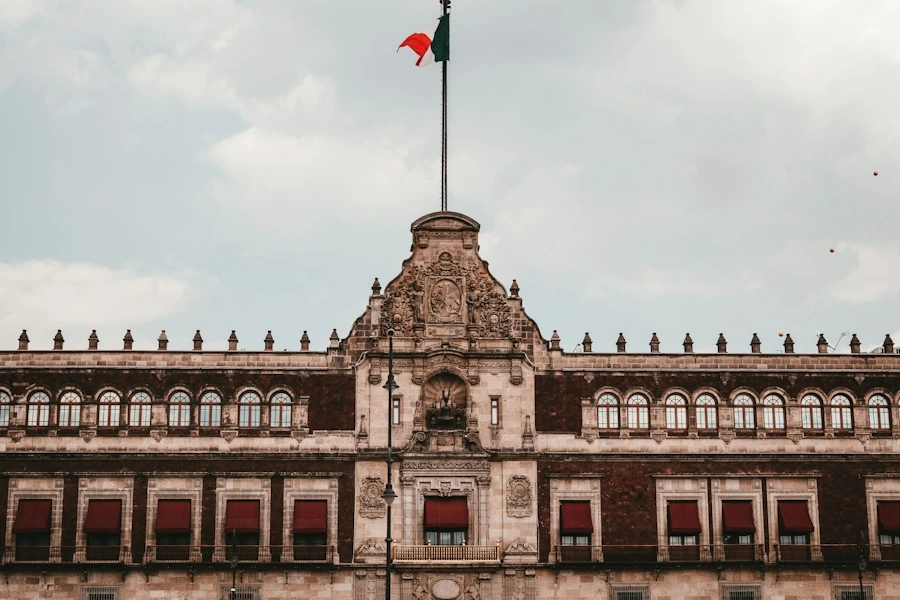
If the cathedral is open to visitors, enter quietly and follow any restrictions around services or photography. I’d choose a few details to look at rather than attempt to identify everything. The contrast with Templo Mayor nearby matters more than a long list of architectural terms. Seeing different centers of authority so close together makes the city’s layered development tangible. Do not plan around entering the National Palace without checking current visitor arrangements; access is not something to assume from a map pin.
Let Templo Mayor slow you down
The archaeological remains and museum of Templo Mayor deserve more than a quick look over a railing. This was a central religious and political site of Mexica Tenochtitlan, and the institution helps place individual objects back into that larger setting. I’d allow a substantial visit if the subject interests you, reading enough interpretation to understand why the location matters. A museum can change the way you see the streets immediately outside it.
Use INAH’s own visitor information for current admission, closure days, and access details. Do not schedule an expensive lunch reservation so tightly afterward that you rush the galleries. If you are traveling with someone less interested in archaeology, agree on a realistic length before entering and choose one theme to follow together. Looking carefully at a smaller number of displays is more useful than making a dutiful circuit of every case. Return to the square afterward and notice how differently you read its surroundings.
Follow Madero without losing the side streets
The pedestrian corridor of Francisco I. Madero offers a clear westward line toward Bellas Artes. It can be busy, commercial, and noisy, which is part of its role in the city rather than a flaw to apologize for. Look above the shopfronts and notice the building facades. Pause in a safe position when checking the map, and avoid stopping abruptly in the main flow. A pedestrian street still requires a little traffic awareness, just with people instead of cars.
I’d leave space for one short side-street detour rather than follow every saved recommendation. The House of Tiles is a useful architectural stop near the western end; if you enter a business there, respect its customer arrangements. Other churches and historic interiors can reward a look when open, but you do not need to enter all of them. Keep the overall direction simple and save the branching exploration for a return visit when you know which details caught your attention.
Give lunch a real seat
By this stage, a proper lunch is more appealing than another snack eaten while navigating. Choose a restaurant or fonda where the menu suits your appetite and budget, and ask about dishes you do not recognize. A daily set meal can be a comfortable choice, but confirm what is included instead of assuming that a handwritten board tells the whole story. If you are seeking vegetarian food, ask about stocks, beans, and sauces as well as obvious meat ingredients.
I’d use lunch as a genuine pause: sit, drink water, and decide which remaining stop matters most. The center can make every hour feel expandable until your feet disagree. If you are tempted by a rooftop view, look at the menu and any minimum spending requirement before settling in. Paying for a view may be worthwhile, but it should be a conscious choice. A modest street-level meal with enough time afterward can be just as memorable.
Bellas Artes and the open space beyond
Palacio de Bellas Artes provides a striking change of architectural mood after the eastern part of the route. Enjoy the exterior from the surrounding public space, then decide whether to enter for a museum visit or return for a performance on another occasion. Check the institution’s current schedule directly. Exhibition access and a theater performance are different experiences, and a ticket for one should not be assumed to include the other.
Alameda Central is a good place to let the day become less structured. Walk beneath the trees, find a seat, and look back toward the palace from another angle. If you still want a museum, choose one nearby and give up something else rather than piling it on top. I’d usually stop here after a substantial Templo Mayor visit. The route has already moved from an archaeological center through civic space and commercial streets to a major cultural landmark.
Keep the route clear and the day flexible
Choose your departure point before you become exhausted. The center has transit connections, but temporary station restrictions or street events can affect the easiest route. Keep your belongings close in crowded areas and use a clear pickup location if returning by car service. These are practical city habits, not reasons to avoid a rewarding part of Mexico City. It helps to save both the name of your accommodation and its exact address.
For a shorter version, keep the Zócalo, Templo Mayor, and lunch, leaving Bellas Artes for another day. For an architecture-focused version, spend less time inside and more time studying the public streets and squares. The useful question is which sequence leaves you interested rather than depleted. I’d finish with one image in mind: the coexistence of old stone, present-day crowds, and a city still being used. That is more revealing than a checklist of supposedly completed history.
Sources & further reading
First published 18 October 2026. Page updated 19 October 2026. Planning references checked on 18 October 2026. The edition date above follows your device’s time zone; it does not indicate a new research check. Confirm current opening details and booking arrangements with the places you plan to visit.