
Make this your Mexico City itinerary
THE SHORT VERSION
- Use the museum map to select a manageable focus.
- Verify bag rules, current admission, and the final transport connection.
- Treat another major museum or the castle as an alternative or separate visit.
Choose depth at Chapultepec
Give the Museo Nacional de Antropología the best part of your day, then let Chapultepec provide the breathing space afterward. This is one of those visits where an ambitious city itinerary can work against you: the galleries deserve attention, and you will want time to think about what you have seen. I would choose a few collections that interest you and leave the castle for another outing. One museum, a park pause, and a proper meal make a generous afternoon.
The national tourism website identifies Chapultepec among the capital’s important visitor areas, while the museum publishes its own location, transport suggestions, and visitor rules. Use those operator details for practical planning. Our recommendation is to make one substantial museum visit the center of the day, then adjust the rest to your energy and the weather.
Give one object a proper conversation
The Piedra del Sol provides one possible focus. INAH identifies it as a major Mexica work on display at the museum and records its discovery in Mexico City in 1790. Its official interpretation discusses the imagery of the five suns. Read the museum’s own display text and spend time looking at how the composition organizes its symbols, rather than treating the stone solely as a familiar image.
Use that focused encounter as a starting point, then choose another gallery or theme from the museum map. What changes in the materials, scale, and interpretation? Leave room for the displays to challenge the category you arrived with. A few carefully considered objects can make a stronger visit than attempting to absorb every room.
Plan your arrival and what you carry
The museum lists its location at Paseo de la Reforma and Calzada Gandhi and provides public-transport options on its visitor page. Review the final walking connection instead of assuming a station name means an entrance is immediately outside. Allow room for crossing roads and finding the correct approach, especially if this is your first outing in the city.
Its published visitor guidance limits bags and gives cloakroom information. Pack lightly and check the current rules before leaving. If you need mobility assistance or an accessible route, consult the operator’s facilities information directly. A realistic arrival plan is part of the visit, rather than a task to solve while carrying luggage at the door.
Let the park provide a contrast
After the galleries, choose a short outdoor section in the Chapultepec area. Use a current map and local signs to keep to public routes, and decide how far you want to walk before starting. The park portion is a change of pace, not a second ambitious sightseeing circuit. Shade, a seat, and a chance to absorb what you have seen can be enough.
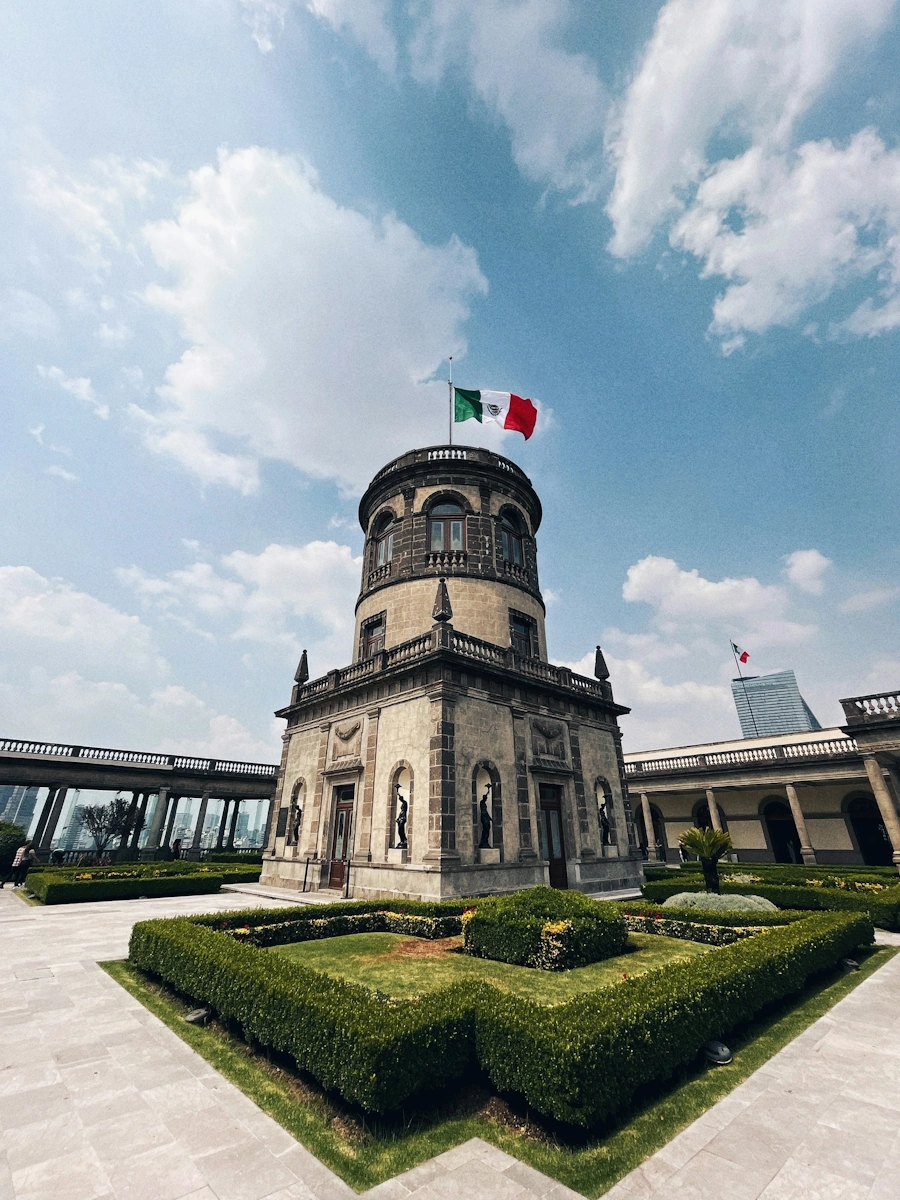
Chapultepec Castle is another possible cultural choice, highlighted by the national tourism site, but treat it as an alternative main stop or a separate outing. Adding every major attraction nearby simply recreates the rushed day you were trying to avoid. If the museum has held your attention, give yourself permission to finish there.
Make food a deliberate part of the day
Choose a meal option before you become tired, with an alternative if your first choice is full or closed. You can use the museum’s published facilities or look for a venue near your onward connection. Decide which makes the day simpler, rather than crossing the city for a restaurant that only loosely fits the route.
If you want to try several foods, keep portions modest and ask about ingredients you need to avoid. Do not let an article’s general description replace an actual conversation about an allergy or dietary requirement. Leave enough time to sit down; a museum day and an extended food crawl compete for the same attention and energy.
Choose a thread through the galleries
Before entering, decide what you are curious about. Monumental sculpture, objects made for everyday life, the relationship between landscape and belief, or the way a museum tells a national story can each provide a useful thread. You do not have to become an expert before arriving. A simple question helps you notice differences between galleries instead of letting every display blur into the next. Consult the museum map, choose a manageable selection, and leave yourself the freedom to change direction when an unexpected object catches your attention.
The Piedra del Sol is an understandable priority, but do not let its fame consume the whole visit. Look at its scale first, then its arrangement of forms, then the museum's explanation. Take another look after reading. That small sequence often reveals more than photographing the label and promising yourself you will study it later. When you move to another gallery, notice whether materials and scale change. Comparing a few objects carefully is more rewarding than racing to prove you have entered every room.
Use the courtyard as a reset
A large museum asks a lot of your attention. When the galleries start to blur, take a proper break in an appropriate public rest area instead of pushing through another room on autopilot. The central courtyard offers a strong change of scale from individual objects to architecture and open space. Sit where permitted, drink some water, and decide what you still want to see. You might discover that one final gallery is enough. Leaving with a clear memory is better than adding another hour you no longer have the energy to enjoy.
If you are traveling as a group, agree on a meeting time rather than forcing everyone through the same displays at the same pace. Someone interested in textiles may want a very different visit from someone drawn to monumental stonework. A shared break afterward gives you something to compare. Ask each person to choose one object they would tell a friend about. The answers can make the museum feel larger and more varied without anyone needing to follow an exhausting route through the entire collection.
Keep the park afternoon gentle
Once outside, resist immediately opening another list of attractions. Chapultepec is a useful place to recover from the concentration of the museum: choose a public path, find a seat, and let the city feel spacious for a while. Check a map before setting off so that a supposedly short stroll does not become a much longer walk to your meal. Keep the park section simple if the weather changes. A café break or an early dinner can be an equally good second half of the day.
For food, decide whether you want to stay close to the museum or travel to a restaurant as a separate outing. Both can work, but a cross-city dinner deserves an honest allowance for the journey. A satisfying late lunch near your return route may be the better choice after several hours inside. If you order unfamiliar dishes, ask about their ingredients and size rather than guessing from a photograph. Keep the evening loose. The museum has already supplied plenty to talk about, and the nicest ending may be sitting down long enough to do exactly that.
Save the essentials, leave the rest open
Before leaving, save the museum entrance, the operator’s visitor page, your return connection, and one meal option. Confirm current opening days, admission, and any closure notices directly. These details can change; this article deliberately avoids presenting a live price as permanent. Keep the last part of your afternoon unbooked.
Pick one object you would like to understand better and keep its name in your notes. Then leave the museum before every gallery starts to blur. Chapultepec gives you a generous setting for thinking about what you have seen, and the rest of Mexico City can wait until tomorrow.
Sources & further reading
First published 18 October 2026. Page updated 19 October 2026. Planning references checked on 18 October 2026. The edition date above follows your device’s time zone; it does not indicate a new research check. Confirm current opening details and booking arrangements with the places you plan to visit.