
Make this your San Francisco itinerary
THE SHORT VERSION
- Choose an eastern garden or museum day, or a western ocean-focused route.
- Check institutional admission separately from access to the public park.
- Use the Richmond or Sunset for a considered meal and avoid forcing every route to Ocean Beach.
A large park needs a small first plan
Golden Gate Park is large enough to defeat a casually ambitious itinerary. A garden, museum, lake, windmill, beach, and two neighborhood meals may all appear temptingly close on a phone screen, but the distances add up. I’d choose an eastern or western section and give one cultural or garden stop the main share of attention. The surrounding Richmond and Sunset neighborhoods can then provide food and a more everyday view of San Francisco.
The first decision is what you want the day to feel like. A museum-centered outing is different from a botanical walk, and both differ from a long route toward Ocean Beach. Choose the activity before drawing the line. Check current admissions and opening arrangements for any paid venue, then identify an entrance and exit that fit. Bring a layer and comfortable shoes. The weather can change across the city, and an outdoor seat may feel much cooler than the café where you began.
Choose one garden, not all of them
The botanical garden, Japanese Tea Garden, and Conservatory of Flowers each offer a different way to look closely. Investigate the current visitor information and choose the one that interests you most. In the botanical garden, you might follow plant geography and leaf forms; in the tea garden, pay attention to composition and paths; in the conservatory, the relationship between plants and enclosed climate can become the central subject. One careful visit is enough to enrich the whole afternoon.
I’d avoid planning around a specific flower unless you have checked current seasonal information. Gardens change, which is part of the reason to go. If a celebrated bloom is absent, look at what is actually happening rather than regard the visit as a disappointment. Read a few labels, compare textures, and choose a bench where the design becomes clear. Buying admission does not create an obligation to examine every plant. Attention has a natural limit, and leaving curious is better than leaving numb.
A museum changes the balance of the day
If you prefer a museum, select the institution and current exhibition before adding a long park route. The area around the Music Concourse can support a substantial cultural visit, but a museum consumes concentration as well as time. I’d pair it with a modest outdoor walk and lunch nearby rather than another full museum next door. Travelers interested in different subjects can agree on a limited visit and reunite for a shared meal.
Look at the actual ticket, reservation, and access arrangements rather than relying on a broad statement that the park itself is free. Public landscape and institutional admission are separate questions. If you want only an exterior view and a walk, that is also a valid outing. The advantage of choosing deliberately is that you can spend money where it matters to you, instead of making a series of spontaneous purchases because each building appears important when you reach it.
Use a lake or grove for the unstructured part
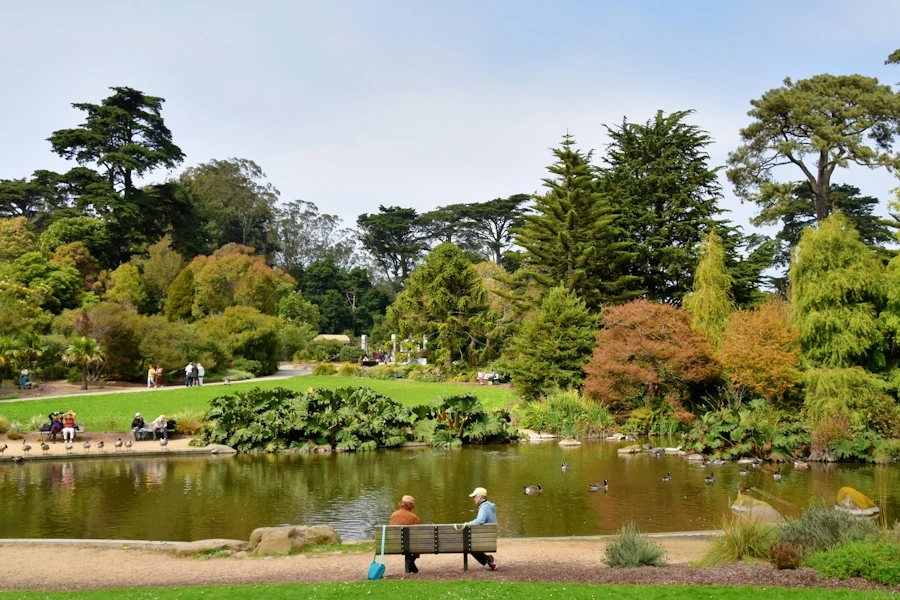
After a garden or exhibition, choose a public path toward a nearby lake, grove, or meadow. Do not make the walk another inspection of named attractions. Look at how the park’s landscape changes between planted areas and more open spaces, and find a place to sit. The city’s official park pages and current map are useful for choosing a route that matches your mobility and available time.
I’d keep the walk short enough that you still enjoy the neighborhood afterward. Follow signed paths, respect closed areas, and remain attentive around cycles and other users. A pleasant route under trees can provide all the contrast you need after a museum. If you want to continue west, calculate the distance and the return before committing. The fact that the park stretches toward the ocean does not mean every visit needs to end there, particularly when weather or fatigue makes an earlier exit more appealing.
Let the Richmond or Sunset provide the meal
The neighborhoods north and south of the park offer a valuable change from visitor-focused interiors. Choose the side nearest your route and look for a restaurant or café whose current menu suits you. Around the Inner Sunset, a meal near a convenient park entrance can make an easy beginning or finish. In the Richmond, a focused food stop can become a reason to explore a few public commercial blocks rather than merely cross them on the way to another attraction.
San Francisco’s food variety deserves more than the assumption that every meal should be sourdough or seafood. Look at a business’s own specialties, ask about ingredients, and order according to appetite. I’d choose one satisfying meal rather than fit several disconnected famous snacks into the route. If you need a particular dietary accommodation, confirm it directly. A comfortable neighborhood table can be the day’s most useful pause, giving you time to notice the city as a place where people live rather than a sequence of parks and views.
Keep Ocean Beach for the day that suits it
Ocean Beach can be a striking final chapter if you have planned a western park route or a suitable transit connection. The Pacific gives San Francisco a different scale from the bay, with wide sand, wind, and surf. This is a place to appreciate conditions from a safe position; do not treat a dramatic ocean as a casual swimming opportunity. A cold or windy day may call for a brief look and a warm indoor stop afterward.
I’d avoid attaching the beach to an eastern garden visit simply because both belong to the same large park story. It may be better as a separate outing, especially if you want time in the surrounding neighborhood too. A day has a limited appetite for distance. Choose the western version when ocean scenery matters most, and the eastern version when gardens, museums, and a neighborhood meal are the priority. That choice gives each setting a fair chance to be enjoyed.
A practical two-version plan
For an easy first visit, start with breakfast near the Inner Sunset, enter for one garden or museum, take a short landscape walk, and finish with lunch on the side of the park that best fits your return. For an ocean-focused day, begin farther west, choose a manageable park section, and continue toward the beach only when conditions are suitable. Both versions offer a coherent day without pretending the whole park is one compact attraction.
Check the current transit connection before leaving your final café or public space. Save one place you want to revisit rather than adding it at the last minute. I’d measure the outing by its contrasts: a carefully designed garden, a loose stretch of landscape, and an ordinary neighborhood meal. Golden Gate Park is generous enough that you will leave things unseen. Choosing well means those omissions feel like possibilities, not failures.
Sources & further reading
First published 18 October 2026. Page updated 19 October 2026. Planning references checked on 18 October 2026. The edition date above follows your device’s time zone; it does not indicate a new research check. Confirm current opening details and booking arrangements with the places you plan to visit.