
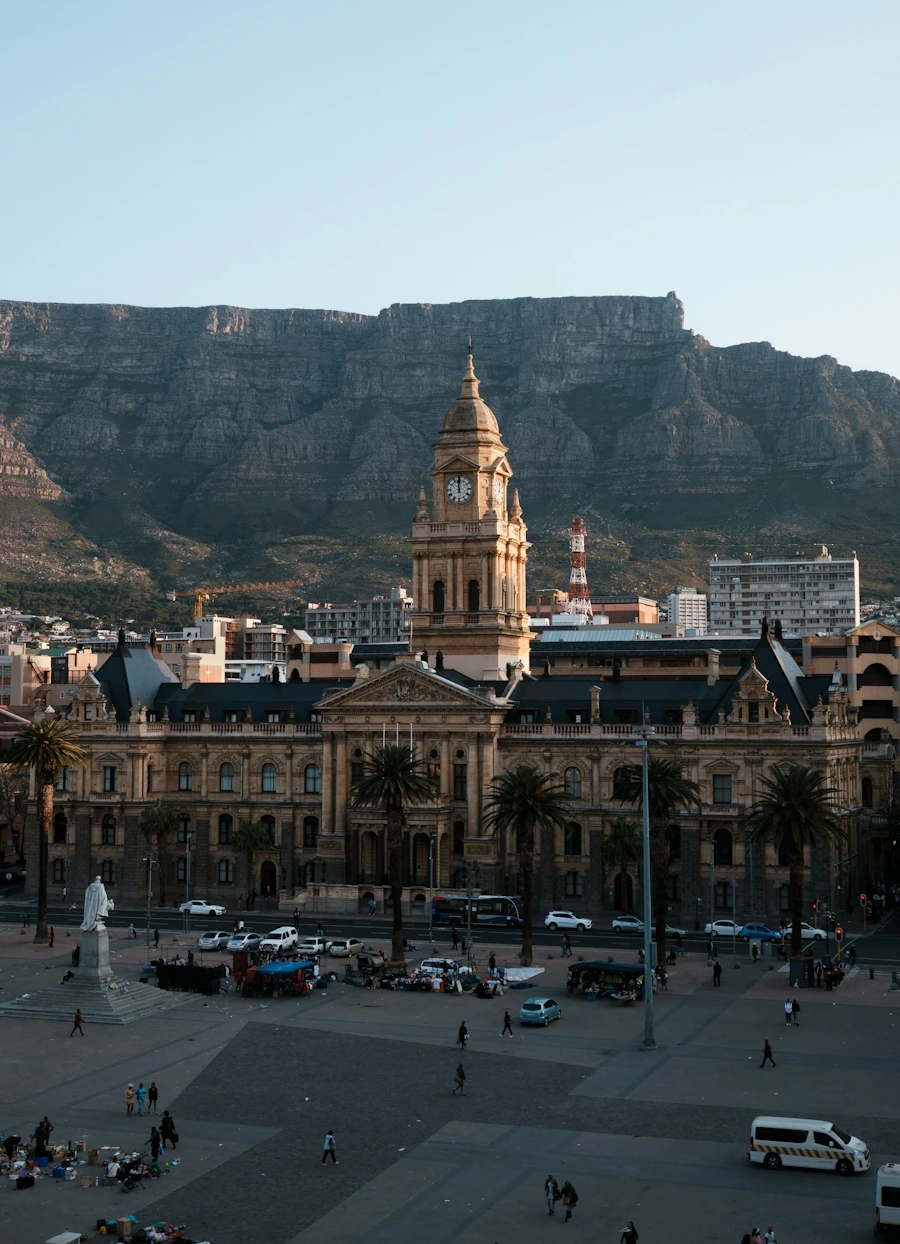
Make this your Cape Town itinerary
THE SHORT VERSION
- Anchor the day with District Six Museum and reserve time after the visit.
- Choose one current exhibition at the Iziko South African National Gallery instead of rushing several museums.
- Visit Bo-Kaap with cultural context and respect for residents, using a separate outing if needed.
Give the city a day beyond the scenery
Cape Town’s mountain and coastline make a persuasive case for staying outdoors, but its museums change how you understand the city beneath that scenery. I’d set aside a day for the City Bowl, with the District Six Museum as a thoughtful anchor and the Company’s Garden area as a place to continue more slowly. This is not a route designed to tick off every institution. Two meaningful visits are enough to make a substantial day.
Choose the order around confirmed opening arrangements and any guided booking. Some stories ask for more time than a schedule predicts, and a museum concerned with forced removal deserves room for reflection afterward. Bring the same curiosity you would to a landscape, but expect a different kind of reward. The most memorable detail may be a person’s remembered street or an ordinary object that reveals what a grand panoramic view cannot.
Begin with District Six
The District Six Museum tells a neighborhood story shaped by apartheid-era forced removal and the continuing work of memory. Its value comes from human scale: names, places, recollections, and the relationship between a community and its streets. If available, a prearranged visit with an ex-resident storyteller can provide a particularly valuable perspective. Check the museum’s current booking information; an advertised tour should never be assumed available at the door.
I’d arrive without another fixed appointment immediately afterward. Read, listen, and ask questions thoughtfully when invited. Photography rules and a respectful pace matter more than capturing every display. This is not a museum to use as background for a cheerful travel portrait. When you leave, take a short pause before moving on. Understanding how people were separated from a place changes the meaning of walking through a city as a temporary visitor with the freedom to leave.
Move toward the garden with context
The Company’s Garden area offers an outdoor change of pace within the central city. Its trees, paths, and surrounding institutions create a place to stop moving so quickly, but the setting also carries colonial history. Let those layers coexist rather than treating the garden as a neutral green interval between serious attractions. Look at public monuments critically, notice how people use the paths now, and find a bench before deciding on the next interior.
A short walk is enough if the museum has already taken much of your attention. I’d avoid feeding wildlife and keep food packed away when appropriate. Use the public paths, keep belongings close, and choose clear daytime routes between stops. If someone in your group wants more time outside while another prefers galleries, agree on a precise meeting place. The area can support different interests without forcing everyone through an identical sequence of rooms.
Choose art with room to look
The Iziko South African National Gallery is a strong option for the second major stop. Its changing displays mean that a visit is best planned around the current program, rather than a promise that one particular work will be visible. Look for how artists address identity, history, materials, and the present. You do not need to recognize every name to find a point of entry; choose a work that holds your attention and read the context around it.
I’d give a gallery visit a limited, attentive scope rather than trying to see everything after a demanding morning. One exhibition may be enough. Notice the difference between what the museum labels tell you and what you initially assumed from the image alone. If art is your main interest, reverse the balance and spend longer here, with a shorter first stop or a separate day for District Six. A good itinerary makes those priorities visible before fatigue does.
Do not turn Bo-Kaap into a backdrop
Bo-Kaap can be another planned neighborhood visit, but adding it to this day should depend on time and energy rather than its proximity on a map. Its colorful houses are widely photographed; the living Muslim community and Cape Malay cultural history deserve at least as much attention. A locally led walk or an appropriate museum visit can offer a more thoughtful introduction than arriving only to search for an empty street and a bright wall.
Keep doorways and steps clear, dress and behave respectfully around religious spaces, and ask before taking close photographs of people. I’d avoid describing a residential neighborhood as a hidden gem when it is already a well-known visitor destination. If lunch is part of the plan, choose a business on its own merits and verify current arrangements. Do not assume access to homes or food experiences without a booking and an invitation. Public streets remain shared space, not a private set for the afternoon.
Use lunch to connect the pieces
Food can keep a culturally dense day grounded. Look for a meal near the part of the city where you are already spending time, and ask about the menu with curiosity rather than expecting one dish to summarize Cape Town. A small local business, a comfortable café, or a thoughtfully chosen restaurant can each fit. Dietary requirements should be discussed clearly; terms such as vegetarian or halal need actual confirmation from the business, not a guess based on the neighborhood.
I’d make lunch a real break from interpretation and photography. Talk about what surprised you, or simply enjoy the meal without turning it into another assignment. If a museum story felt difficult, there is no need to immediately resolve it into a cheerful takeaway. Travel can include pleasure and discomfort in the same day. Leaving space between the stops makes it easier to hold both without rushing toward the next attraction to change the mood.
End with a question worth carrying
Before leaving the City Bowl, take stock of what the museums have changed in your understanding. A city famous for its natural setting is also shaped by decisions about who could live where, whose stories were preserved, and which art enters public collections. You will not answer all of that in one day. The useful result is a better question and a reason to keep reading, not the feeling that a complex history has been completed.
Check the return route while you still have battery and daylight, using a clear pickup point or current transit information. If you want another cultural visit, save it for a fresh morning rather than spending the last hour tired and distracted. I’d finish this day with a meal, a quiet walk, or a conversation. The city’s views will still be there tomorrow, and after a thoughtful museum day, you may see them differently.
Sources & further reading
First published 18 October 2026. Page updated 19 October 2026. Planning references checked on 18 October 2026. The edition date above follows your device’s time zone; it does not indicate a new research check. Confirm current opening details and booking arrangements with the places you plan to visit.