
Make this your Cape Town itinerary
THE SHORT VERSION
- Choose two main experiences and build driving time, lunch, and weather margin around them.
- Check SANParks notices, route conditions, and gate times before departure.
- Use penguin boardwalks, secure food around wildlife, and return before driving becomes tiring.
Start by removing a few pins
A Cape Peninsula day can look irresistible on a map: coast roads, fishing harbors, penguins, lighthouses, beaches, and a string of viewpoints. The trouble begins when every attractive name becomes a required stop. I’d choose two main experiences and let the drive connect them, leaving room for weather and a proper meal. A scenic route should give you time to get out of the vehicle and look, rather than turn the landscape into a sequence passing behind glass.
Decide early whether you want to drive yourself or join a well-described tour. A driver should be able to concentrate on the road, which means no sudden stops for photographs and no pressure to reach the next place before dark. Check current road conditions, park notices, and gate times before departure. Build the day from actual travel distances, not the assumption that a narrow peninsula automatically makes a short outing.
Choose the coast that matters to you
The Atlantic side and False Bay side offer different sequences of scenery and settlements. A full loop is possible under suitable conditions, but it is not essential. If you want a day centered on Simon’s Town and penguins, give the eastern side more time. If dramatic road views are the main attraction, research the western approach and any current restrictions. Either choice becomes better when you stop treating the other coast as a missing achievement.
I’d identify a small number of legal stopping places beforehand and use them rather than pulling over wherever the view suddenly improves. Some roads are narrow, exposed, or busy. A viewpoint is worth less if reaching it creates a hazardous maneuver. Let passengers take notes about places to revisit, and allow the driver to enjoy the scenery during planned breaks. The most satisfying scenic day is one in which everyone gets to look properly.
Simon’s Town also makes a useful orientation point: the settlement, harbor, and nearby penguin area belong together geographically, unlike many tempting extras farther away.
Give Cape Point a substantial visit
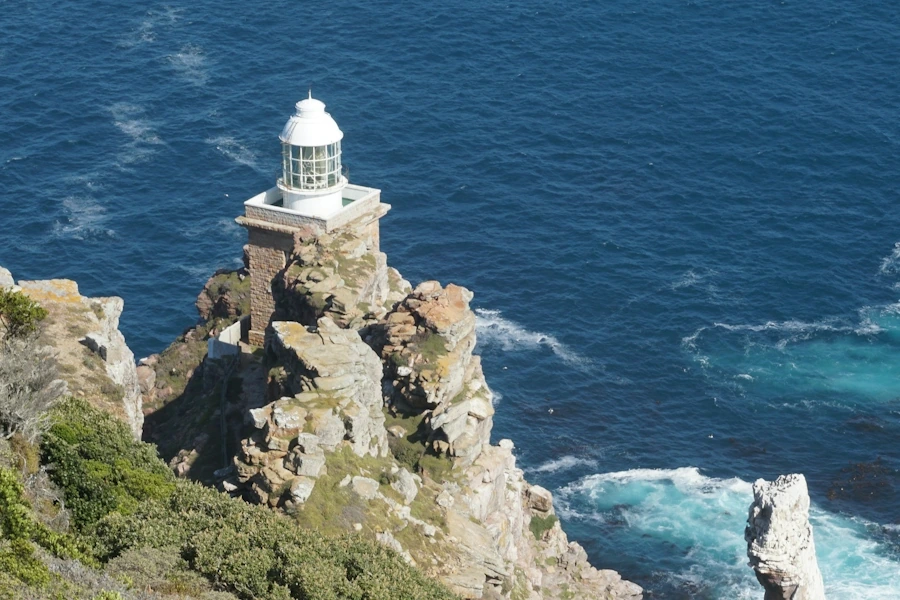
If Cape Point is your priority, allow time for entry, orientation, walking, and the conditions you find. Wind can make a short distance feel demanding, and queues can consume time before you reach the main visitor area. Consult SANParks’ current map and notices rather than expecting one photograph beside a sign to represent the whole landscape. The cliffs, fynbos, sea, and changing perspective are the experience.
Choose a walking option that suits your group and stay on permitted routes. A longer coastal path requires more preparation than a brief viewpoint visit, so do not start one simply because it looks appealing from the car park. Keep food secure around wildlife, particularly baboons, and never feed or approach them. I’d carry water and a windproof layer even in sunshine. The setting is spectacular partly because it is exposed, which is also why conditions deserve respect.
Keep the penguin visit considerate
Boulders near Simon’s Town offers an unusual chance to see African penguins from managed visitor areas. Follow the boardwalks and current staff guidance, keeping a respectful distance and leaving the birds room to behave naturally. A photograph is not improved by touching, feeding, cornering, or trying to make an animal face the camera. I’d take a few pictures and then spend time watching how the colony moves and interacts.
Check current access arrangements and separate the idea of a penguin-viewing visit from any beach plans. Facilities, fees, tides, and available space affect what is practical. If traveling with children, explain the rules before entering so the visit is not a continuous series of corrections. Bring patience for other visitors too. A protected wildlife encounter is a shared experience, and the best memory is likely to be an ordinary behavior you noticed while standing quietly.
Give a town more than a roadside glance
A meal in Simon’s Town or another settlement on your chosen route can keep the peninsula from becoming only a landscape circuit. Walk a manageable public stretch, look at the harbor or shopfronts, and choose lunch after reading a menu. Fishing-town imagery does not guarantee that every restaurant specializes in local seafood, so ask about what is actually offered. A simple meal with a good seat can be more useful than a famous stop with a long queue.
I’d resist attaching several extra villages simply because they appear along the road. Parking, finding a table, and walking all take time. Choose one place to spend a little longer, and let other settlements remain possibilities for another trip. If you are carrying a picnic, use an appropriate designated area and follow park rules. Keep all food packed away when wildlife is nearby, and take rubbish with you rather than leaving it beside a full bin.
Plan for wind, cloud, and changed access
The peninsula can present different weather from central Cape Town, and an attractive forecast does not remove the need to check local notices. High wind, fire risk, maintenance, or traffic can change a route. Keep an alternative that reduces distance rather than trying to force the original loop. If conditions make Cape Point unappealing, a coastal town and a shorter permitted walk may produce a better day than several hours spent pursuing a view hidden in cloud.
For self-driving, check fuel, navigation, and the return route before leaving the urban area. If using a tour, ask about realistic stop lengths and what happens when an attraction is unavailable. I’d favor a provider willing to explain tradeoffs over one promising every landmark without compromise. Travelers with mobility needs should ask about exact boarding, surfaces, and walking distances. A scenic day should be designed around people, not around the maximum number of pins a vehicle can pass.
Return with daylight to spare
Leave enough margin to return comfortably, particularly if unfamiliar roads or changeable conditions are involved. Do not add a final sunset stop at the expense of a tired driver. A good day out still needs a safe, straightforward ending. If one place has held your attention longer than planned, cut a later stop rather than trying to recover time on the road. That is a sign of a successful visit, not a planning failure.
I’d judge the day by two or three clear memories: a coast seen from a proper stopping place, penguins observed patiently, a path through fynbos, or lunch beside a harbor. Those experiences need time, but they do not need an exhaustive loop. The Cape Peninsula is large enough in character that you will not finish it in a day. Choosing carefully lets you enjoy what you do see, and leaves an honest reason to come back.
Sources & further reading
First published 18 October 2026. Page updated 19 October 2026. Planning references checked on 18 October 2026. The edition date above follows your device’s time zone; it does not indicate a new research check. Confirm current opening details and booking arrangements with the places you plan to visit.