
Make this your Istanbul itinerary
THE SHORT VERSION
- Choose a destination neighborhood before selecting the ferry route.
- Use current operator information for the exact pier, payment, and return service.
- Distinguish a public crossing from a longer Bosphorus sightseeing tour.
Put the crossing in the middle of the plan
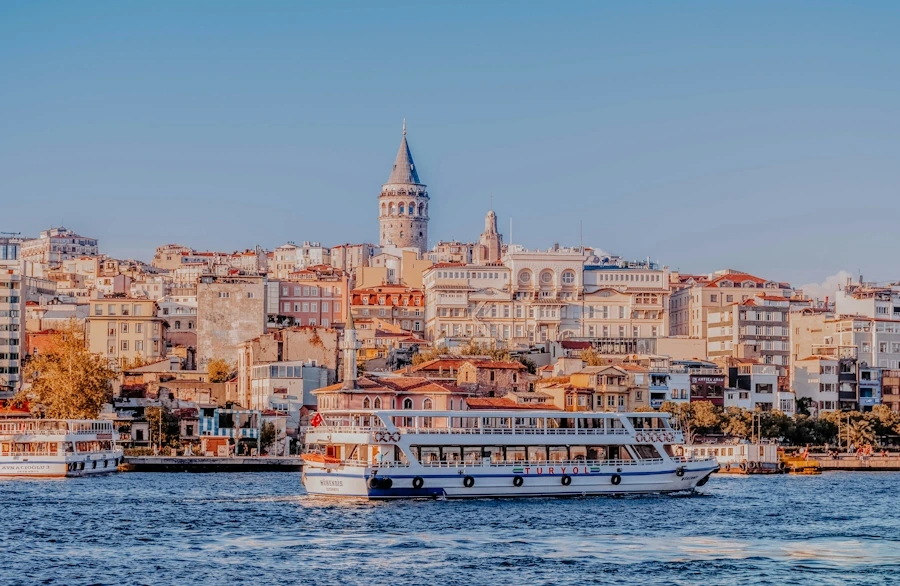
Istanbul's water can make a first map look complicated, but a ferry gives that geography a moving explanation. Shorelines separate, landmarks change scale, and a place that seemed distant becomes an ordinary arrival. I would choose one public crossing and pair it with a neighborhood you actually want to explore. The boat is part of the day, not the entire day and not merely a cheaper substitute for a sightseeing cruise with a different purpose.
Kadıköy or Üsküdar can provide a clear destination on the Asian side, depending on the atmosphere and route you want. Choose through current operator information rather than assuming every European-side pier serves every destination in the same way. The city has multiple piers, services, and operators. Once you have the right crossing, the plan becomes simple: arrive with time, enjoy the journey, explore one shore, and return by an option you have checked.
Read the route before joining the crowd
Şehir Hatları's official site provides route maps, domestic services, Bosphorus tours, and fare information as separate resources. Use the service that matches your purpose and confirm the departure pier, destination, and day. A route name is more useful than following the largest group toward a boat. Save the relevant information and allow enough time to find the correct entrance. The experience is much more relaxed when the practical decision has been made before boarding begins.
Check payment arrangements for the operator you are using and consult current accessibility information if needed. I would avoid building the first crossing around the last convenient departure of the day. An earlier choice leaves room for an error, a missed boat, or a change in appetite without turning the outing into a problem. Istanbul is a large working city, so the plan should accommodate ordinary transport uncertainty instead of depend on every connection happening at once.
Let the city move around you
Once aboard, choose an available place that suits the conditions and follow crew instructions. An outdoor view can be rewarding, but comfort matters more than holding a particular photographic position throughout the crossing. Watch one shoreline for a while, then compare it with the other if you can do so without blocking movement. The changing relationship between close piers, broad water, and distant buildings is the point. You do not need to identify every landmark to learn something from it.
A useful exercise is to notice three scales: details near the departure, the wider skyline in mid-crossing, and the approach to the arrival pier. Each tells a different part of the story. Put the camera away for one of those stages. The boat can become a welcome interval in which navigation temporarily stops and the city supplies its own sequence of views. That pause may be as valuable as the photographs you take.
Kadıköy makes food an easy anchor
Go Türkiye describes Kadıköy as a district of cafés, restaurants, shops, and cultural activity spreading from the ferry area, with Moda and Yeldeğirmeni offering different directions. For a first arrival, I would choose lunch and one of those directions rather than try to cover both thoroughly. A neighborhood becomes legible when you follow a small route at street level. The ferry provides the broad orientation; the walk can now focus on smaller decisions and local commerce.
Make a food circuit before committing to a table. Look at menus, portions, and the kind of break you want. A long breakfast-style meal, a quick lunch, and coffee with a book each create a different afternoon. You do not need to eat everything that appears in a travel recommendation. Choose one meal, enjoy it, and let the remaining time be about the streets, shops, or waterfront rather than another continuous search for food.
Üsküdar offers another kind of arrival
Üsküdar is an alternative when a waterfront-focused outing and a different view toward the historic city appeal more than Kadıköy's shopping and café circuit. Consult official destination information and choose a modest public route from the pier. The pleasure may be the arrival itself and the way familiar silhouettes now appear across the water. Allow a seat, a drink, and a shorter walk to form a complete visit instead of requiring another major attraction at the far end.
Do not treat the two Asian-side arrivals as interchangeable, and do not add both merely to make the ferry day seem fuller. They can supply separate outings with different purposes. If one neighborhood has a cultural site you genuinely want to enter, research that site's current visitor arrangements and let it shape the schedule. Otherwise, keep the afternoon informal. The benefit of a public crossing is that it can connect ordinary city experiences without turning them into a tightly managed tour.
Separate a Bosphorus tour from a commute
A dedicated Bosphorus tour serves a different interest from a short cross-city ferry. Go Türkiye's Bosphorus information identifies waterfront landmarks and the larger geography, while the operator lists tour products separately. Choose a tour if your main wish is a longer water-based view, and read its actual route and return arrangements. Choose a domestic crossing if you want to spend most of the day exploring the destination. Neither choice is more authentic; they simply solve different travel wishes.
My advice is to keep the first plan clear. Trying to combine a long boat outing, several neighborhoods, and a museum often creates more scheduling than pleasure. A crossing plus lunch and a walk can be a rich day in a city of this scale. You will understand the water better and gain a specific neighborhood experience, which is more useful than repeatedly arriving at piers with no time to settle beyond them.
Leave a generous route home
Check the return service before the afternoon becomes evening, and know a practical alternative if conditions or schedules change. Keep the final meal or drink near a route you understand rather than wander until tiredness makes every decision harder. If the crossing was the highlight, enjoy it again on the way back without feeling obliged to photograph all the views you missed. A reversed journey can reveal more simply because you now understand where you are going.
For a first ferry day, select one arrival, one meal, and one walk. Let everything else remain optional. Istanbul's geography can become part of the pleasure once it stops being a problem to solve on a phone. You are not crossing merely to tick another continent. You are using the water to arrive somewhere with enough time to experience it, then carrying that clearer sense of the city into the rest of the trip.
Sources & further reading
First published 18 October 2026. Page updated 19 October 2026. Planning references checked on 18 October 2026. The edition date above follows your device’s time zone; it does not indicate a new research check. Confirm current opening details and booking arrangements with the places you plan to visit.