
Make this your London itinerary
THE SHORT VERSION
- Use one cultural venue and one meal as anchors.
- Check Borough Market’s actual trading calendar.
- Choose an endpoint that works with your onward transport.
Let the river organize the day
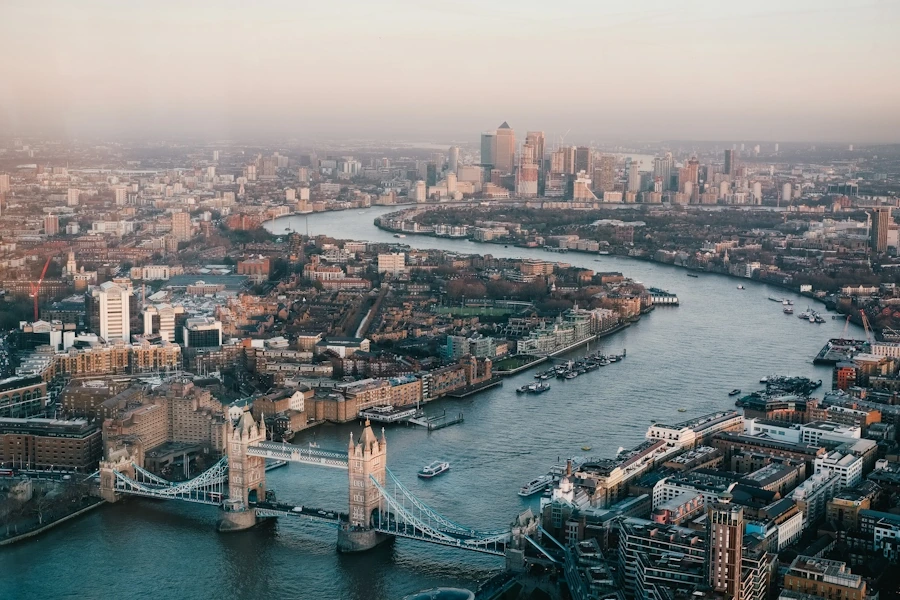
The Thames gives a London afternoon a reassuring shape: start around Waterloo, follow the river east, and let Borough be the food stop that pulls the day together. Between them are places to watch a film, look at art, hear music, or simply sit with the water in front of you. I would choose one indoor attraction and enjoy the walk between it and lunch. Trying to enter every famous building on the way usually leaves too little time for the river itself.
Visit London describes the South Bank and Waterloo area as a riverside district with major cultural venues and transport connections. Its guide is useful for orientation, while the operators of individual attractions should supply current booking and access information. Plan the afternoon around what you want to do inside a place, not just the buildings you can pass.
Start with one cultural choice
Choose a stop near the beginning that fits your interests: an exhibition or event at Southbank Centre, a film at BFI, or simply time to explore the public riverfront. Visit London’s official area guide identifies these cultural options. If the activity needs a ticket, book it directly and let that time anchor the rest of the route.
Avoid buying several timed entries before checking the walking and waiting involved. One substantial visit can easily occupy the best part of an afternoon. If you prefer an entirely flexible day, select a public outdoor route and keep paid attractions optional. The river provides continuity even when you decide not to enter every building.
Continue east at a comfortable pace
Use the riverside route where open and follow signs or mapped diversions around any closure. Look across the water, pause where there is room, and keep moving through busy bottlenecks. The official tourism guide highlights the South Bank’s pedestrian spaces, but you should check specific access needs and route conditions rather than assuming every possible connection is identical.
Tate Modern is one potential further cultural stop identified by Visit London. Decide whether it replaces your first venue or extends the day. Do not assume that an exhibition, general collection, and special event have the same ticket arrangements. Consult the relevant operator before relying on a particular room or programme being available.
Make Borough a planned stop
Borough Market makes a useful food-focused finish if it is open on your travel day. The market’s own visitor page is the source to check: it publishes regular opening times, holiday changes, and transport information. At the time of our check, the regular schedule excluded Mondays, which is precisely why a market should not be added without looking at its actual calendar.
Walk through once before choosing what to buy. Compare portion sizes, available seating, and how much you want to spend. A market is both a place for shopping and somewhere to eat; avoiding a series of impulse purchases can leave room for a meal you actually want. Ask traders where to queue and where to stand after collecting food.
Leave yourself an easy exit
Borough Market’s official guide identifies London Bridge station immediately nearby, with Underground and National Rail connections. That makes the area a practical endpoint if it fits your onward journey. Check the specific service and exit you need rather than assuming every route operates normally on every date.
To shorten the outing, begin farther east and choose either a cultural stop or the market as your main activity. To extend it, spend longer inside one venue rather than automatically walking on to another distant landmark. A linear itinerary is useful because you do not need to return to the beginning, but only if you have considered where you will go next.
Look across the water as well as along it
The pleasure of this walk is partly in the changing view across the Thames. Buildings appear in different combinations as you move, bridges frame the river, and the broad pedestrian areas give way to narrower stretches. Put the map away once you are on a clear signed section and use the water to orient yourself. When you want a photograph, stop somewhere with room for people to pass. A longer pause on a bench often reveals more than repeatedly halting in the middle of the route.
Waterloo is a useful beginning if your arrival fits, but the route does not require a ceremonial start line. Join it nearer a venue you have booked or shorten it if the weather is unpleasant. A river walk in a sharp wind can feel much longer than the same distance through sheltered streets. Carry an extra layer and identify one indoor pause you would actually enjoy. That might be a film, a gallery, or a café; it should be something you choose for its own appeal rather than merely somewhere to hide.
Give Bankside its own moment
As you approach Bankside, decide whether art is the main event or an optional stop. Tate Modern can easily become a visit in its own right. If you have already spent a long time at an exhibition or film earlier, I would enjoy the exterior and save a substantial gallery session for another day. Check the museum's current collection and exhibition arrangements before arriving; the type of visit you want matters more than the general promise that a large museum is nearby.
Shakespeare's Globe offers another reason to slow down in this stretch. A performance or tour needs its own planning, whereas passing the building is a different, shorter experience. Choose deliberately. Someone interested in theatre may get far more from booking one activity here than from adding another gallery across town. If you plan an evening performance, keep dinner close and leave a comfortable gap. The riverside then becomes a pleasant way to arrive, rather than an obstacle between a market queue and a curtain time.
Arrive at Borough with a small plan
Borough Market is easier to enjoy if you distinguish lunch from shopping. If you want a meal, walk a short section first, read menus and prices, then choose one thing you genuinely want. Buying at every appealing stall can turn lunch into an awkward exercise in balancing containers while looking for somewhere to stand. If you want ingredients, bring a bag and consider what you can store afterward. A wedge of cheese has a different practical future from a hot sandwich you eat immediately.
The market's own visitor information is worth checking because trading patterns and individual businesses need not be identical. If a particular stall is the reason for your visit, confirm with that trader. Keep your group out of the main flow when deciding what to order, and ask before photographing someone closely at work. After eating, there is no need to add another destination just because the afternoon is not technically over. Find your return connection near London Bridge, or walk a little farther only if the river still feels inviting. Finishing comfortably is part of a good London day.
Keep a weather-ready version
Before leaving, save one indoor option, one place for a proper break, and your transport connection. Dress for conditions on the day and keep your bag manageable. If the weather turns, reduce the walking and use the time inside your selected venue. There is no benefit in preserving the original route after it has stopped being enjoyable.
For a shorter outing, start around Bankside and keep Borough as the main stop. For a longer one, give your chosen cultural venue a proper visit. Either way, let the river do some of the work: it connects the afternoon without needing another complicated plan.
Sources & further reading
First published 18 October 2026. Page updated 19 October 2026. Planning references checked on 18 October 2026. The edition date above follows your device’s time zone; it does not indicate a new research check. Confirm current opening details and booking arrangements with the places you plan to visit.