
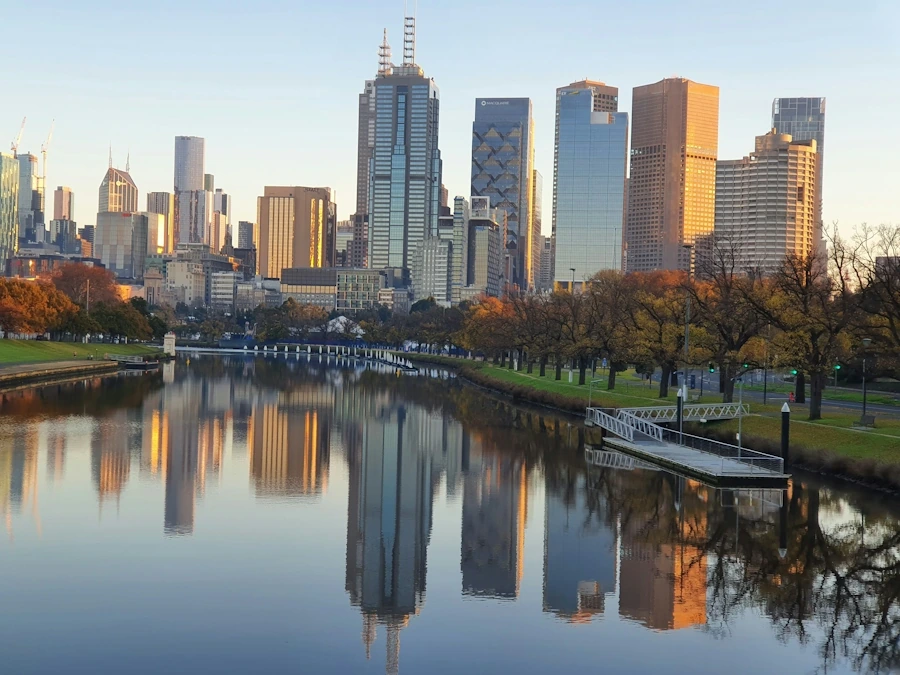
Make this your Melbourne itinerary
THE SHORT VERSION
- Choose a short river section and one purposeful cultural stop.
- Use the gardens’ map to select a manageable circuit.
- Check official First Peoples-led experiences for cultural context.
Let the river make the route legible
Melbourne’s central grid is easy to understand, but the Yarra gives the city a different shape. Walking beside it creates a useful counterpoint to lanes and shopping streets: bridges, institutions, paths, and garden spaces begin to relate to each other. I would choose a short river section and a substantial visit to the Royal Botanic Gardens rather than attempt a long waterfront march. The river is the thread, not a distance challenge.
Begin from a central crossing or riverside arrival that fits your accommodation. Look at both banks before choosing a direction. A straightforward path can still become tiring if you repeatedly cross bridges to chase every interesting building. Pick one side for the main approach, and keep a possible crossing for a place you genuinely want to enter.
Choose one cultural interruption
A gallery or cultural institution can make a good first chapter if it matches your interests. Check the current program and visiting arrangements rather than adding it merely because you pass the entrance. A short visit to a chosen exhibition can give you enough to think about on the next walk. Trying to see an entire collection before a major garden visit can leave both experiences feeling rushed.
Once outside again, notice the change from interior scale to river space. Bridges frame the view differently from the bank, and buildings read differently when reflected or partly hidden by trees. You do not need to photograph every version. Pick an angle that helps you understand the relationship between water and city, then move on with the route.
Give the Botanic Gardens the main afternoon
The Royal Botanic Gardens are substantial enough to reward a visit with its own priorities. Use the current garden map to choose a manageable circuit, perhaps organized around a plant collection, a lake view, or a type of landscape that interests you. Reading a few labels closely is better than hurrying through every named area. There is room here for curiosity without an expectation that you already know botany.
The gardens are also a cultural landscape with significance for the local Kulin Nation. Investigate official First Peoples-led experiences if you want that context, and check availability rather than assuming a guide will be present. A guided visit can offer a different way of understanding plants and place from an independent circuit. Let it replace part of your own plan instead of adding it to an already full timetable.
Finish with the energy you want to keep
A long garden visit benefits from deliberate sitting. Choose an appropriate seat, look at the same view for a while, and let the urge to move to the next section pass. You might notice the movement of birds, changes in light, or the way visitors use the paths. Keep wildlife wild, leave planted areas undisturbed, and take food only where permitted.
For the return, decide whether another river section still appeals or whether a direct transit connection would make the day better. There is no requirement to retrace every step. A meal near your exit can give the afternoon a comfortable conclusion. Melbourne’s river and gardens work particularly well when you allow them to interrupt the city’s commercial rhythm rather than trying to cover them with the same brisk pace.
Let the garden map decide the last part
Choose a starting bank of the Yarra and a specific crossing rather than drifting back and forth each time a building looks interesting. A central arrival can lead naturally into a gallery visit, but check the actual exhibition and admission information before making it the morning’s anchor. If you want to stay outside, let the river walk remain simple. The water is not merely a route toward the gardens; it gives you a different perspective on the scale of the city. Look at how bridges frame movement, where people pause, and which buildings relate closely to the bank.
An exhibition stop needs a manageable focus. Decide what attracted you and spend time with it before adding another floor. It is easy to lose the garden afternoon by trying to complete a large collection. Leave with one or two works clearly in mind, then let the outdoor transition change the kind of attention you are using. You can compare the designed view from a gallery window with the actual river space outside. This makes the cultural stop part of the day’s conversation instead of an unrelated indoor activity inserted because it was nearby.
At the Royal Botanic Gardens, consult the current map and choose an entrance and departure that suit your route. A lake circuit, a selected plant collection, and a place to sit can provide a complete visit. Walking every path is unnecessary, and it can make the gardens seem less distinct rather than more thoroughly known. Labels are useful prompts: read a few, look back at the plant, and notice a characteristic you would otherwise have missed. Stay on permitted surfaces, avoid stepping into beds for photographs, and keep the paths clear for maintenance and other visitors.
If an official First Peoples-led experience interests you, check its current availability and book where required. Arrive at the correct meeting point and allow it to shape the rest of the garden visit. A guided cultural perspective is not simply commentary to add while continuing your independent checklist. Listen, follow the guide’s boundaries, and ask questions connected to what is being shared. If the experience is not available, use official interpretation without pretending that an unguided walk gives you the same understanding. The gardens carry cultural significance alongside botanical and recreational roles.
Choose the final pause before everyone is tired. A meal, a picnic where permitted, or a longer sit beside an appropriate view can help the day settle. Keep food away from wildlife and follow the garden’s waste instructions. For the journey home, use the exit nearest your actual finish instead of returning automatically to the entrance. A direct connection can be more comfortable than another long river loop. You have already connected water, culture, and greenery; the day does not need to end with the maximum possible walking distance to feel complete.
A garden label is a starting point
When a plant label catches your attention, look at the specimen before moving to the next sign. Compare the written information with its visible shape, leaf, trunk, or growing position. If the label mentions an origin, resist turning that into a complete story you do not know; use it as a question for later reading. This is a manageable way to make a botanic garden visit more specific without pretending to be a botanist. One plant understood a little better can become the personal detail that distinguishes this Melbourne afternoon from other green spaces you encounter during a longer trip.
Sources & further reading
First published 18 October 2026. Page updated 19 October 2026. Planning references checked on 18 October 2026. The edition date above follows your device’s time zone; it does not indicate a new research check. Confirm current opening details and booking arrangements with the places you plan to visit.