
Make this your Mexico City itinerary
THE SHORT VERSION
- Choose one market that fits the neighborhood you are already exploring.
- Browse first, then build a modest meal with room to add another order.
- Use ingredient questions, a guide, and accurate stall notes to deepen the visit.
Choose the market that belongs to your day
Mexico City has enough markets to turn a simple lunch into a research project. I’d begin with a much smaller question: which market fits the neighborhood I want to explore? Coyoacán makes sense during a southern neighborhood day, Mercado de Medellín can fit a Roma-area walk, and a central market can anchor a day around the historic center. Crossing the city for three separate markets often produces more transport time than understanding.
The best market for you may not be the one with the loudest online reputation. Some emphasize everyday produce, others prepared food or specialist ingredients, and many combine several roles. Read the city tourism guide to establish the basics, then check current local information before setting off. Decide whether you are visiting for lunch, shopping, or a guided food experience. A clear purpose makes it easier to recognize a good stop without feeling obliged to buy something from every aisle.
Browse before ordering
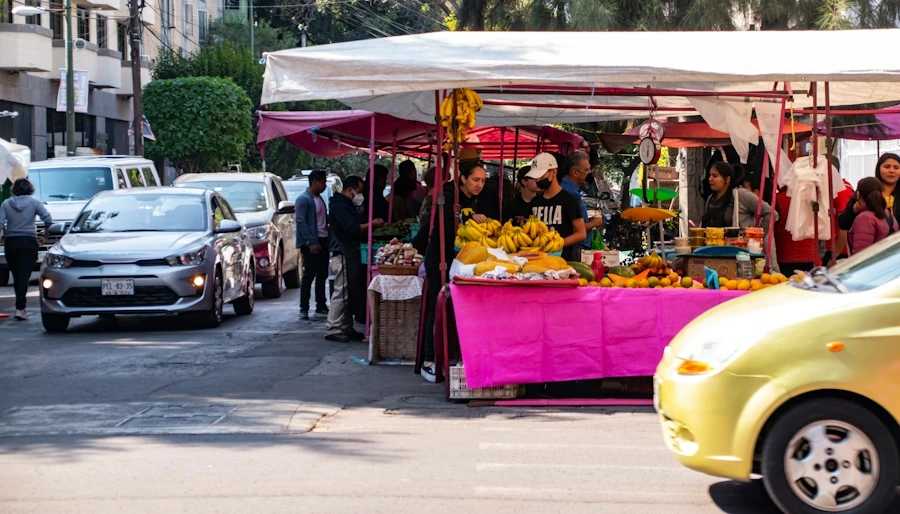
Give yourself a first circuit without eating. Notice where produce is being weighed, where people queue for meals, and which counters offer seating. You can learn a great deal from the distinction between ingredients and finished dishes: dried chiles in one aisle, a sauce or stew in another, tortillas or masa preparations nearby. Ask a short question when the vendor has time, and remember that a busy stall is a workplace rather than a visitor demonstration.
I’d resist making a photograph the first interaction. Buy something or ask permission, and accept a refusal with good grace. Keep bags close and leave enough room for customers carrying groceries. If you are uncertain about what a stall sells, step aside to translate a sign instead of holding up the counter. Markets often feel easier once you stop trying to understand the entire building and concentrate on one clear conversation or purchase.
Build a meal rather than a tasting competition
A useful plan is one small thing to begin, a proper main dish, and something sweet or a drink if you still want it. That structure gives you variety without turning lunch into a contest. Depending on the market and vendors, you might investigate a quesadilla, a tostada, a bowl of soup, or a daily set meal. Ask what is available and how it is prepared; similar names do not always mean identical fillings or portions.
In Mexico City, clarify the ingredients rather than making assumptions from a dish name, particularly if you want cheese or avoid it. Ask about meat stocks, lard, seafood, and sauces when relevant to your diet. A small first order is easier to adjust than a crowded table of dishes you cannot finish. I’d rather return to a counter for another portion than spend the rest of the afternoon uncomfortably full and carrying food that should not sit warm for hours.
Look at ingredients as a way into the place
A produce aisle can make a meal more interesting, even when you are not cooking. Look for the variety of chiles, herbs, fruit, beans, and corn-based products rather than reducing the market to prepared snacks. You do not need to identify everything. Choose one unfamiliar ingredient and ask how it is commonly used, if the vendor has time. A purchase for later can be as simple as fruit you will eat the same day.
Avoid buying bulky spices or fresh products for an international flight without checking the destination’s import rules first. For an easy souvenir, a commercially packaged product may be more practical than something scooped into an unmarked bag. If staying somewhere with a kitchen, buy a modest amount you can actually cook. The point is not to recreate a whole cuisine overnight. One fresh ingredient, used thoughtfully, can make the connection between browsing and eating much more tangible.
Know what a guided visit can add
A good food guide can help with regional distinctions, ordering, and the history of a market, especially when language or dietary questions make independent browsing difficult. Look for a clearly described route, a realistic number of tastings, and information about how vendors are involved. Ask whether dietary adaptations are genuinely possible rather than assuming a standard tour can be changed at the last minute. A guide should help you notice more, not simply deliver you to a series of counters.
I’d choose a smaller group when possible and leave room in the day afterward. Food tours can be filling, and an immediate restaurant reservation wastes both experiences. Check whether the route stays within one market or includes transfers. If going independently, borrow the useful principle of a guided visit: focus. Three carefully chosen stops and one conversation can teach you more than an ambitious itinerary that leaves no time to ask a question.
Make room for comfort and good judgment
Choose prepared food with care, considering how it is handled and whether you can communicate about ingredients. A busy counter can be useful context, but it is not a guarantee. Travelers with severe allergies should choose arrangements that can reliably accommodate them rather than treating improvisation as part of the adventure. Carry safe drinking water, wash or sanitize hands appropriately, and take a seated break when the market becomes overwhelming.
Payment is easier with smaller notes, though some businesses accept cards. Confirm prices before ordering if they are not clear, and check the bill calmly. Keep cash handling separate from photography and food so you are not juggling everything at once. I’d leave the main meal until after an initial browse, then stop adding food when comfortably satisfied. A good market visit should leave you ready for the neighborhood outside, rather than needing to abandon the rest of your plans.
Let lunch lead into a neighborhood walk
After eating, take a short walk nearby instead of immediately boarding transport to another market. In Coyoacán, return to the plazas or a quieter street. Around Roma, browse local businesses and find a place to sit. In the center, continue toward a public square or a museum you have already chosen. The meal becomes more memorable when it belongs to a day in a particular area, with buildings and streets around it.
Write down the market’s name and the dishes you liked, including a stall identifier if there is one. That is more useful than a camera roll of anonymous plates. If you recommend a place afterward, describe its actual strengths: a patient explanation, a satisfying lunch, a distinctive ingredient, a comfortable seat. Mexico City’s markets are generous sources of discovery, but they become easier to appreciate when you stop asking one visit to represent the entire city’s food.
Sources & further reading
First published 18 October 2026. Page updated 19 October 2026. Planning references checked on 18 October 2026. The edition date above follows your device’s time zone; it does not indicate a new research check. Confirm current opening details and booking arrangements with the places you plan to visit.