
Make this your Nairobi itinerary
THE SHORT VERSION
- Choose a precise gate and a marked route suited to current conditions and your group.
- Use the waterfall as one pause within a wider forest visit, respecting barriers.
- Consider an official eco-tour and use designated picnic sites with a clear return margin.
Make the forest the main activity
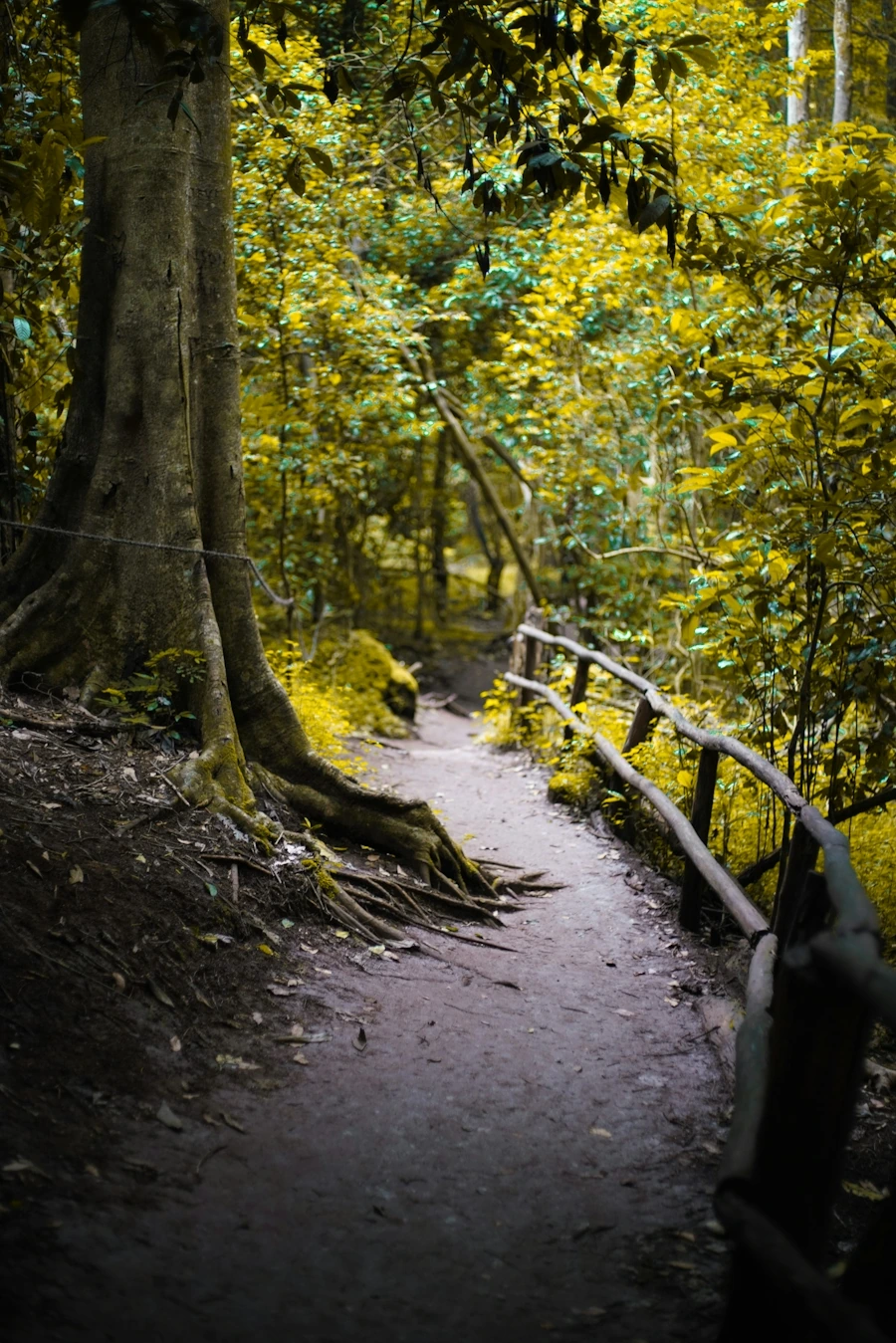
Karura is a good reason to keep a Nairobi morning open. The forest offers a change in pace from traffic and transfers, with public trails, vegetation, birdlife, and places where the city feels farther away than it is. I’d plan one manageable walk and a proper pause rather than treat the forest as a brief stop before several distant attractions. The visit becomes more rewarding when there is enough time to notice a changing canopy or wait quietly beside a view.
Choose your entrance and transport plan in advance. Different gates serve different parts of the forest, and a vague instruction to meet at Karura can complicate the return. Use the current official map and visitor guidance from Friends of Karura Forest, checking fees, rules, and any closures before arrival. Bring suitable shoes, water, sun protection, and a light layer. Weather and recent rain affect the ground, so a neat route on a screen should remain a plan you can shorten.
Pick the trail your group will enjoy
The forest’s marked routes help visitors choose a manageable distance, but color and mileage do not describe every surface or gradient. Ask at the entrance about current conditions and what suits your group. A short route completed comfortably can be more satisfying than a long loop spent negotiating tired legs. Families, first-time walkers, and travelers recovering from a flight should give themselves an easy version before considering extra distance.
I’d identify one main feature and let the connecting walk provide the rest of the experience. A waterfall-focused route, a gentler forest walk, or a guided ecology outing can each work. Do not choose the longest option simply because the forest seems like your only chance to exercise during the trip. You are here to enjoy a place, not rescue a fitness target. If walking with others, agree on a turnaround principle before anyone becomes tired: the slowest comfortable pace should shape the group’s route.
The waterfall is a pause, not the whole story
Karura’s waterfall is an appealing feature to investigate, but its value grows when the route to it is part of the visit. Look at how vegetation and shade change near water, listen to the difference in sound, and give yourself time to stand quietly when you arrive. Follow current signs and barriers around wet or uneven areas. A photograph does not require stepping beyond a safe public viewpoint or trying to stand in the most dramatic possible position.
I’d resist the impulse to reach the water, take a picture, and immediately begin the return. Rest briefly, drink water, and notice what is happening around the feature rather than only the feature itself. Water levels and conditions vary, so do not expect the exact scene from a particular image online. If access is restricted, respect the closure and ask for another suitable route. The forest remains worth visiting even when one named destination is unavailable, because the wider walk has its own character.
Use a guide when you want deeper context
Friends of Karura Forest offers information about eco-tours and visitor activities, which is worth investigating if you want more than a self-guided walk. A knowledgeable guide can help connect plants, birds, waterways, and the forest’s conservation story. Book through current official arrangements and ask what the walk includes, its length, and whether the terrain suits your needs. A guided visit should match your interests rather than simply duplicate a route you could comfortably follow alone.
Without a guide, choose a simple focus. You might compare bark textures, notice where the understory becomes denser, or listen for changes in bird activity between open and enclosed areas. I’d avoid using recorded calls to draw wildlife or moving off trail for a closer image. The most useful kind of attention is patient and unobtrusive. You do not need to identify every species to appreciate the forest, and an honest observation is more valuable than attaching a confident but incorrect name to a photograph.
Understand the conservation work behind the walk
Karura’s accessibility is tied to active protection and community involvement, rather than an assumption that an urban forest survives automatically. Read the official material about its management and the work of Friends of Karura Forest with the Kenya Forest Service. This changes the meaning of a simple visit: maintained paths, visitor rules, and entrance arrangements support a place that requires ongoing care. A pleasant trail is also the result of decisions and effort.
I’d give that context a few minutes before or after walking. It helps explain why staying on routes, carrying rubbish out, and respecting designated activity areas matter beyond general etiquette. Do not collect plants or other natural materials as souvenirs. If you want to support further work, use legitimate channels described by the organization instead of an unverified appeal encountered elsewhere. The forest’s story is not only about escaping the city; it is also about people choosing to defend a valuable public landscape within it.
Keep the picnic simple and in the right place
A picnic can make a forest morning feel pleasantly complete, but use a designated site and follow current rules. Friends of Karura identifies several picnic areas, so choose one that fits your route rather than carrying food toward a random clearing. Check whether any booking or extra arrangement applies to your group. Keep packaging secure, do not feed wildlife, and leave the space ready for the next visitors.
I’d bring an easy meal or snack that does not require much equipment, especially if you are walking beforehand. Heavy bags can make even a moderate trail less enjoyable. A café or meal outside the forest may be simpler for some travelers, in which case verify the current option and location before promising lunch. The purpose is to create a comfortable pause, not another logistical project. After eating, choose a shorter return if the morning has already given everyone enough walking and fresh air.
Return before the walk becomes a deadline
Check the last entry and closing arrangements, but do not design the walk to finish at the final possible moment. Leave margin for a slower pace, a brief rest, and the journey out through the correct gate. If using a car service, give a precise pickup point and keep enough phone battery for contact. If the morning follows an overnight flight, be especially realistic about energy and the length of the outing.
A satisfying Karura visit might include a marked route, a water feature, a little conservation context, and a quiet meal. That is already a full experience. I’d leave the rest of the day open enough that the forest’s slower rhythm can last a little longer. Nairobi does not need to be understood only through its busiest roads or its role as a gateway to elsewhere. A morning under trees offers another perspective, provided you give it time to become more than a waterfall photograph.
Sources & further reading
First published 18 October 2026. Page updated 19 October 2026. Planning references checked on 18 October 2026. The edition date above follows your device’s time zone; it does not indicate a new research check. Confirm current opening details and booking arrangements with the places you plan to visit.