
Make this your Nairobi itinerary
THE SHORT VERSION
- Choose the National Museum or Nairobi Gallery as the main cultural anchor and keep the second optional.
- Use specific objects and current exhibitions to explore cultural variety with care.
- Build realistic transfer and airport margins, and keep distant wildlife or forest visits for another day.
Do not spend the whole stopover looking past the city
Nairobi often appears in travel plans as the place before or after a safari, with little time reserved for the capital itself. I’d give it a proper city day. The Nairobi National Museum and Nairobi Gallery offer two different ways into culture and history, while lunch and a measured look at the surrounding urban setting keep the visit grounded in the present. You do not need to add a wildlife activity for the day to feel worthwhile.
Plan the transfers as carefully as the stops. Nairobi traffic can make nearby-looking destinations take longer to connect, and an airport transfer should never depend on an optimistic estimate from the morning. Start with one museum as the main priority and a second as an option. Check current admission, opening arrangements, and gallery programs directly. A clearly described guide or driver can simplify the day if you want context and reliable connections, but the itinerary should still reflect your interests rather than a standard rush between every familiar name.
Let the National Museum set the scale
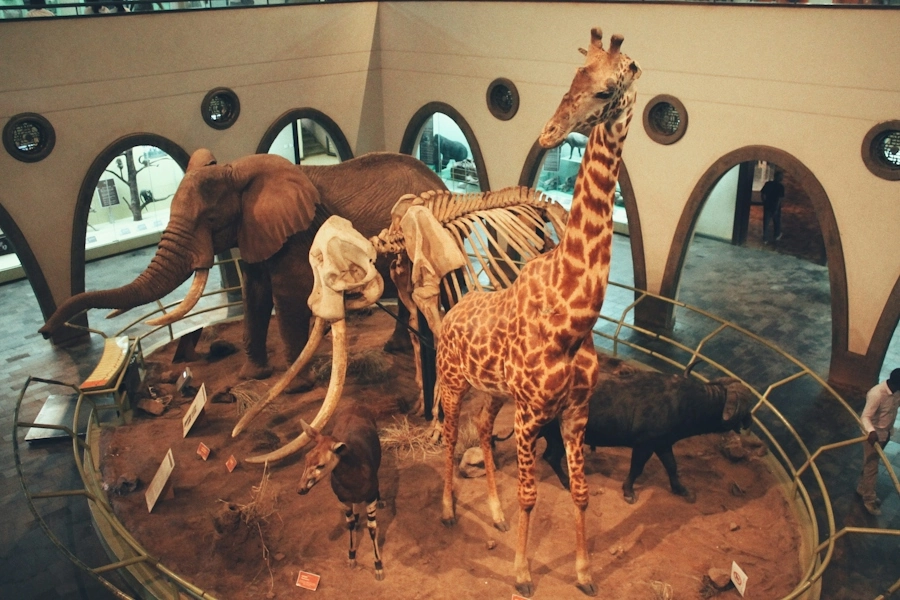
The Nairobi National Museum is a useful first anchor because it can broaden the trip beyond the narrow categories of safari scenery and souvenir shopping. Choose subjects that interest you within the current displays, and give them enough attention to make connections. Natural history, human history, material culture, and art ask different kinds of questions. You will gain more from a focused visit than from moving through every room with the vague aim of having seen the national museum.
I’d look at the institution’s own interpretation and ask about a guided option if available. A knowledgeable guide can explain how an object, specimen, or display fits a wider story, while also helping you distinguish established information from a memorable anecdote. Check any combined-ticket arrangements rather than assuming nearby facilities are included. Families should choose a manageable visit length and a few shared interests. A museum becomes much more enjoyable when everyone knows there will be a break before concentration turns into fatigue.
Choose objects that complicate your expectations
It is easy to look at a collection of cultural objects and reduce them to broad labels. Resist that shortcut. Read who made or used an item, where it belongs, and how the museum describes its purpose. Materials, trade, status, belief, and daily life can all be visible in an ordinary object when you give it enough time. If a label raises a question, keep the question rather than inventing an answer that fits an attractive travel story.
I’d select three things to remember, perhaps from different parts of the visit, and write down why each held my attention. That is more useful than photographing twenty labels for a future evening that never comes. Avoid treating Kenya’s many communities as a single unchanging cultural image. The museum is a starting point for learning, not permission to speak for everyone represented. Seeing that variety can make the rest of your time in Nairobi more attentive and your later descriptions more precise.
Give Nairobi Gallery a separate role
Nairobi Gallery offers a different experience from a large museum visit, with the Murumbi collection and art housed in a building tied to the city’s administrative history. The institution’s own material explains the collection and the site’s point-zero association. Those connections make it worth investigating as more than a quick central-city photo stop. Check the current program and allow time to look at individual works and materials rather than assume a smaller building means a negligible visit.
I’d focus on the choices behind collecting: what was preserved, how different objects were brought together, and how the displays frame African cultural production. Textiles, jewelry, books, furniture, and artwork can prompt different observations, depending on what is currently shown. Ask staff about a public guided option if available. A single gallery can be a satisfying main stop for travelers who prefer art to a broad museum circuit. If you have already spent a long morning at the National Museum, shorten the rest of the day instead of rushing this visit.
Let lunch introduce everyday Nairobi
Choose a meal in a place that suits your route, comfort, and appetite rather than crossing the city only to reach a famous dining room. A Kenyan-focused menu can offer a good opening for questions about ingredients and preparation. Depending on the restaurant, you might investigate dishes built around ugali, greens, beans, grilled meat, or other specialties. Ask what the business actually prepares well; no single plate needs to represent the whole country.
If you want nyama choma or another meal that benefits from time and company, plan it intentionally and ask about portions. Travelers avoiding meat should confirm stocks, fats, and sauces rather than relying on appearance. I’d leave lunch unhurried, with enough margin that the next transfer does not create anxiety. Coffee can be a separate pause if that interests you, but do not assume every café provides a detailed origin story. Ask what is on offer and enjoy the conversation when the setting welcomes it.
Use the center with a clear purpose
If you add a central-city walk, choose a modest, locally informed route and use established public places rather than improvising across unfamiliar junctions. Traffic, crowds, and the scale of roads can affect how a short connection feels on foot. Ask your accommodation or guide for current advice, keep valuables discreet, and know where you will be collected afterward. These practical choices help the city feel accessible without pretending every part of a capital requires the same approach.
I’d avoid attaching Karen, a forest visit, and a wildlife stop to the same museum day. They create a much broader geographic outing and reduce the time left for the cultural places you chose. A focused urban day has its own value. If shopping interests you, select a reputable business and ask about makers, materials, and provenance. Buying one item with a clear connection to a person or practice is more rewarding than a hurried bundle purchased during the last minutes before departure.
Leave time for the city to change your plans
Protect the return margin, especially before a flight or an evening connection. Traffic is a real part of the day, not an inconvenience that can be erased from a schedule. If the first museum holds you longer than expected, drop the optional gallery rather than compress both into superficial visits. You can still leave with a better understanding than an itinerary that technically includes every stop but gives none of them attention.
I’d finish by noting one subject to explore further: an artist, a collection, a historical question, or a dish you want to understand. That keeps Nairobi from becoming a vague introduction to somewhere else. A capital is more than its role in a visitor’s transport plan. Give this one a meal, a cultural anchor, and enough space between them, and it can become a distinct part of the trip rather than the place you merely passed through.
Sources & further reading
First published 18 October 2026. Page updated 19 October 2026. Planning references checked on 18 October 2026. The edition date above follows your device’s time zone; it does not indicate a new research check. Confirm current opening details and booking arrangements with the places you plan to visit.