
Make this your New York itinerary
THE SHORT VERSION
- Pair a manageable High Line section with food, one art visit, and the Hudson waterfront.
- Check lift availability and choose between a full museum visit and a lighter gallery afternoon.
- Use Chelsea Market’s current merchant information and keep lunch decisions simple.
Think of the High Line as a connecting thread
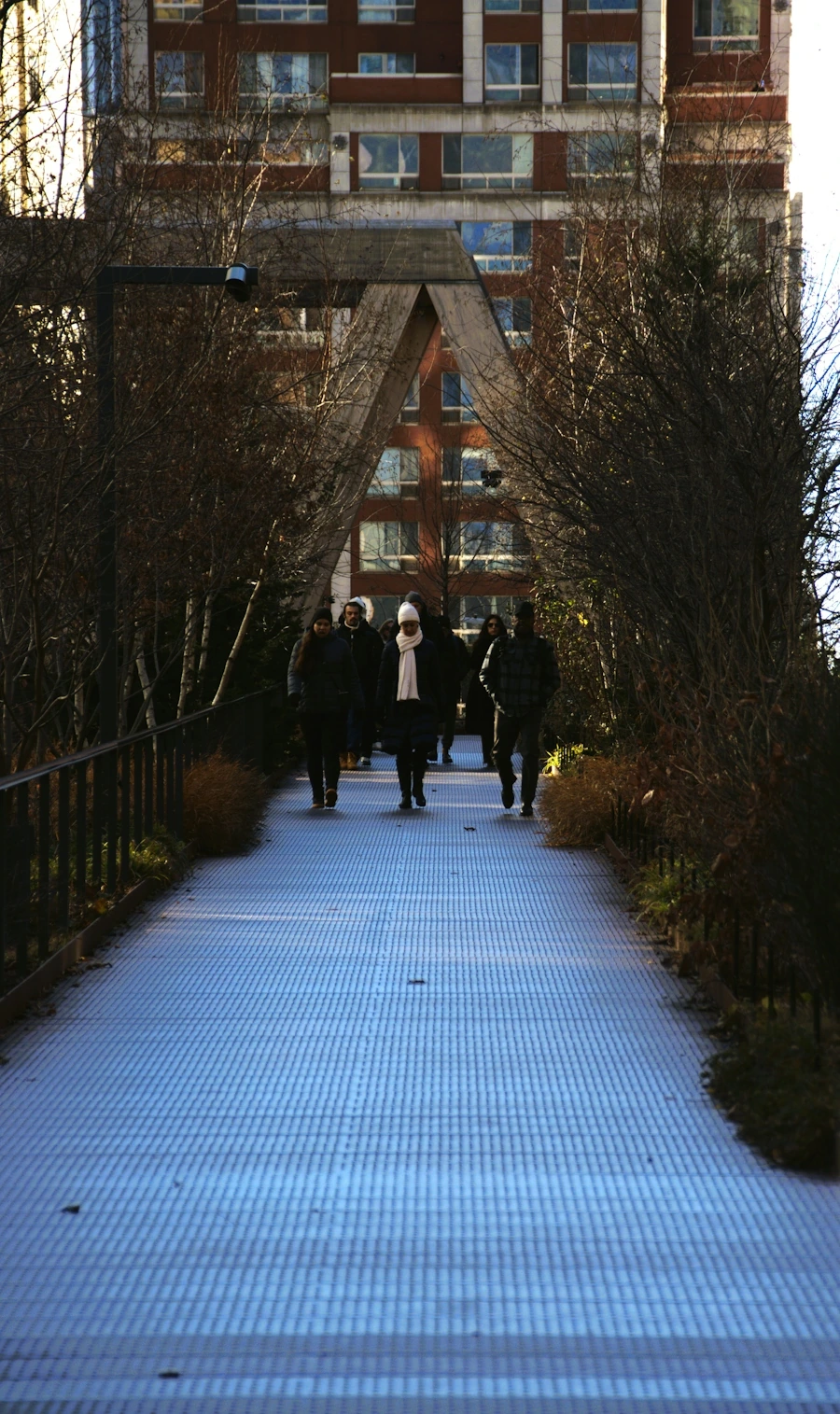
The High Line is most enjoyable when it connects several small experiences rather than carrying the whole day. Its elevated paths let you see Manhattan at an unusual height, close to windows and planting but above the normal traffic flow. I’d pair a section of the park with Chelsea’s streets, one art stop, and a little time beside the Hudson. That combination gives the afternoon variety without requiring a subway ride between every chapter.
You can walk north to south or the other way around, choosing an entry point near your accommodation or arrival station. There is no special reward for completing every meter. On a busy day, a shorter section followed by a street-level detour may feel much better than following the crowd the entire length. Check the official High Line visitor information for current access points, lift availability, seasonal arrangements, and any closures before deciding where to begin.
Look sideways as well as forward
Once you are above the street, slow down enough to notice the relationship between planting, old rail infrastructure, and the buildings around it. Some stretches encourage people to keep moving; others make a natural place to pause. The city is close here, not a distant panorama. The view down an ordinary cross street can be as interesting as an architectural landmark, especially when you can see traffic and pedestrians at their everyday pace below.
Keep pauses to places where people can pass, and remember that planting beds are part of the landscape rather than somewhere to step for a better photograph. If you are with a group, avoid spreading across the full path. I’d bring a light layer because an exposed elevated route can feel cooler than expected. In strong sun, it can also feel hotter than a shaded neighborhood street. Check how you actually feel before committing to the full walk.
Make Chelsea Market a meal, not a second checklist
Chelsea Market is a convenient food stop near the southern part of this route, with a concentration of counters and shops in a busy indoor setting. Its appeal is choice, which can quickly become indecision. I’d browse once, compare the likely wait and portion sizes, then choose a meal. Spending forty minutes circling in search of the objectively best lunch is a poor trade for an afternoon you hoped would feel relaxed.
If the hall is crowded, consider taking food to an appropriate public seating area or choosing somewhere outside the market. Check a merchant’s own current hours rather than assuming every counter follows the building schedule. Groups do best when they agree on a meeting point before ordering separately. A snack can be enough if you have dinner plans later. The surrounding neighborhood offers plenty to explore, and you do not need to leave the market carrying several bags to justify stopping.
Choose one gallery visit with intention
Chelsea’s gallery streets can make art feel like part of a neighborhood walk rather than a formal day out. The challenge is selecting a visit when you do not know the exhibition calendar. Look up a couple of galleries before you go, read the short exhibition descriptions, and pick one that interests you. Contemporary art is more rewarding when you enter with a question or curiosity, rather than the hope that every room will immediately make sense.
Check public opening arrangements and any booking requirements, especially around installation periods. Inside, give the work space and follow photography rules. A small exhibition can be enough: choose one piece to look at closely, read its label, then see how the rest of the room changes around it. I’d avoid filling the afternoon with random doorways simply because they are free to enter. A focused twenty-minute visit can leave a stronger impression than six hurried rooms.
Use the Whitney as an alternative anchor
If you prefer a larger museum, the Whitney near the High Line’s southern end can become the main art stop. Check its program and ticket arrangements directly, then reduce the rest of the route accordingly. A museum visit takes attention as well as time. The High Line, a full museum, a long lunch, several galleries, and a sunset walk may technically fit a day, but that does not mean you will enjoy them equally.
I’d choose between a substantial museum visit and a more casual gallery afternoon. That makes the budget clearer too, since a paid institution and a cluster of small visits create different costs and expectations. If contemporary American art is central to your interests, book around it and let the walk fill the remaining space. If you are mainly here for the city outside, keep the art stop shorter and spend longer looking at the Hudson.
Finish at river level
The river offers a welcome change after crowded paths and indoor spaces. Find a suitable section of Hudson River Park and follow the public promenade for as long as it feels pleasant. Here the horizon opens, boats replace traffic as moving landmarks, and you can sit without feeling that you are missing the next exhibit. A snack, a bench, and a few minutes without a phone can be an excellent final stop.
Stay aware of the separation between cycling and walking areas, particularly when crossing toward piers or seating. Sunset is an option rather than a requirement; wind or rain can make an earlier finish much more appealing. If your feet are tired, choose the nearest comfortable view instead of walking farther for a location with more online photographs. The point of ending at the river is to give the day room to settle, not to create another race.
Build an afternoon you can adjust
For a short version, walk one High Line section, have lunch, and finish by the water. For an art-focused version, enter the park only briefly and give the museum or gallery most of your time. In rain, reverse the priorities: use indoor stops as the backbone and take outdoor stretches when the weather permits. Visitors needing step-free access should verify current lifts and street routes, since an out-of-service lift can change the most practical entry point.
Before leaving, check where you will rejoin transit rather than walking aimlessly inland when you are ready to stop. Save the name of one gallery or food counter you want to revisit. New York often becomes more satisfying when you leave a few possibilities open. This side of Manhattan gives you more than enough material for an afternoon; the useful skill is deciding which small sequence will make it feel like yours.
Sources & further reading
First published 18 October 2026. Page updated 19 October 2026. Planning references checked on 18 October 2026. The edition date above follows your device’s time zone; it does not indicate a new research check. Confirm current opening details and booking arrangements with the places you plan to visit.