
THE SHORT VERSION
- Check whether you arrive at JR Uji or Keihan Uji.
- Read Byodoin’s separate arrangements for hall interiors.
- Choose a seated tea experience rather than relying only on matcha desserts.
Leave Kyoto for a different scale
Uji is an appealing excursion when you want the next day to feel smaller rather than more ambitious. Its river, tea shops, and major religious sites give you enough substance for a full outing without requiring a long list of transfers. I would plan around Byodoin and one deliberate tea stop, then use the riverbanks and connecting streets to link them. That leaves room to notice the city rather than measuring how quickly you can return to Kyoto.
Arrive knowing whether your train reaches JR Uji or Keihan Uji. They are different stations on different sides of the river, which can be useful if you plan a walking loop. Mark your actual arrival and departure points before leaving. A route that looks obvious when you are planning can feel less obvious beside the wrong station exit, particularly if you have booked a tea experience at a specific time.
Make Byodoin a visit, not a backdrop
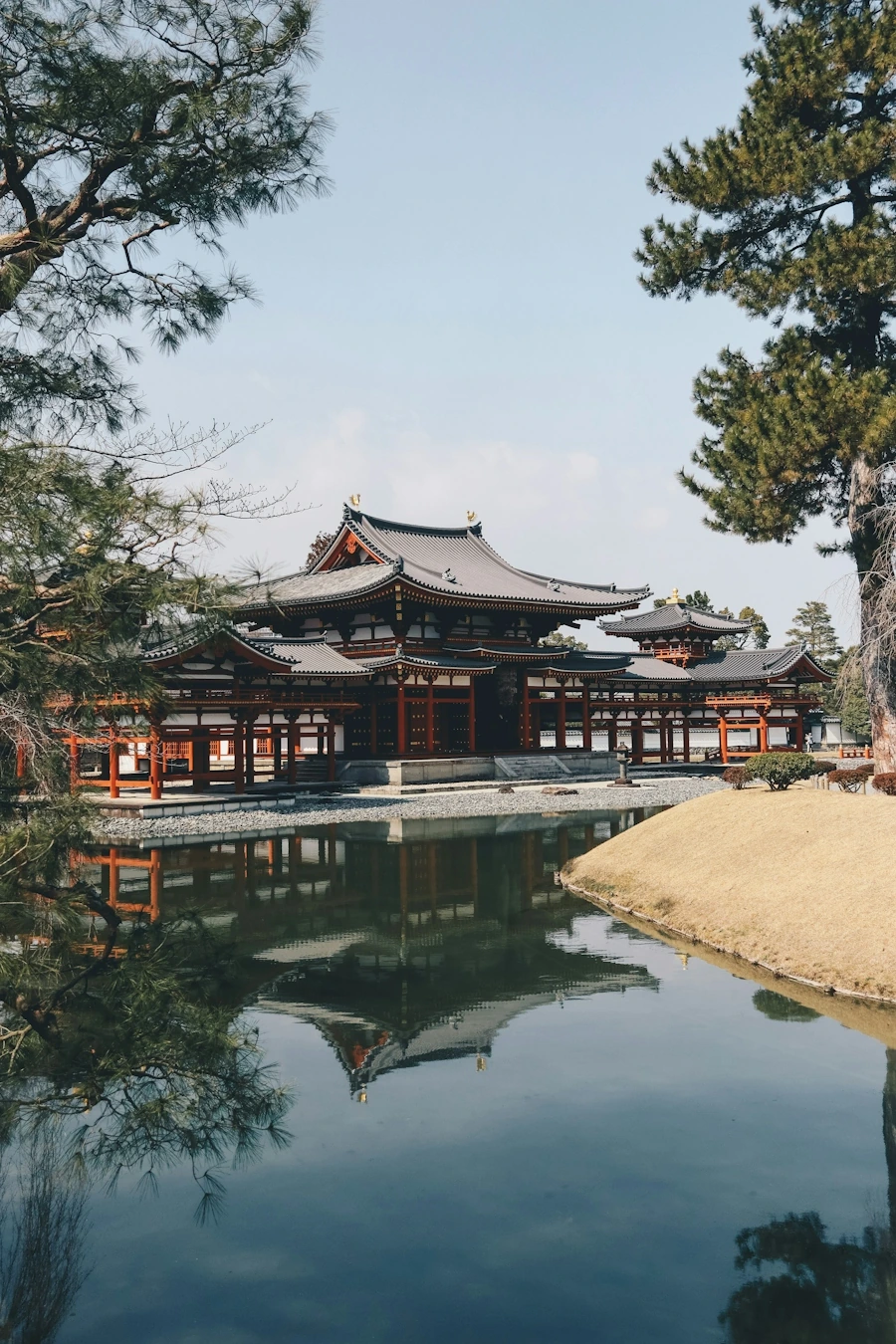
Byodoin deserves time on its own terms. The Phoenix Hall and pond are the familiar view, but the museum can turn a beautiful building into a more substantial encounter with religious art and craftsmanship. Read a few labels closely instead of trying to absorb everything. Look at the relationship between a sculptural detail and the larger building outside; changing scale makes the visit easier to remember.
Do not assume that access to the grounds, museum, and the hall interior all follow the same arrangements. Consult Byodoin’s own visiting information, especially if an interior visit matters to you. The temple publishes notices about visiting capacity and special access. An unhurried exterior and museum visit is already worthwhile, so avoid building the success of the day around obtaining one particular additional ticket.
Let tea be the reason you sit down
Uji is a good place to replace an automatic takeaway drink with a considered tea break. Choose a shop where you can understand what is being served, whether that is matcha, sencha, or a tasting that compares preparations. You do not have to be an expert to ask how the tea should be enjoyed. Start with the instructions you are given and notice the difference between aroma, texture, bitterness, and sweetness.
A bright green dessert and a prepared bowl of tea are different experiences. Both can be enjoyable, but it helps to decide which one you came for before ordering several sugary items. If you want to buy tea, ask about storage and preparation as well as price. A small amount you know how to brew is a better souvenir than an impressive tin that stays unopened after the trip.
Cross the river with one more stop in mind
The river gives the day breathing room. Use the bridges and public paths to change your view, keeping away from unsafe banks and observing any closures. Ujigami Shrine can make a meaningful second cultural stop on the other side, particularly if you want to see how different places of worship occupy the same riverside landscape. The Tale of Genji Museum is another option for travelers drawn to literature rather than to a second temple-like visit.
Choose between those additions instead of treating both as compulsory. A useful excursion has a center of gravity; in Uji, tea and the river can provide it. After your final stop, allow time to walk back without hurrying, buy only what you can carry comfortably, and check the train direction before boarding. Returning with the afternoon still in your mind is much nicer than ending it with a frantic dash to a platform.
Make room for a real cup of tea
The station choice gives Uji a useful structure. JR Uji and Keihan Uji are on different sides of the river, so mark both and decide whether the outing is a loop or a one-way walk between them. From Kyoto, choose a connection that suits your accommodation rather than assuming every visitor starts at Kyoto Station. Save the final approach to Byodoin before boarding. Once you arrive, you can concentrate on the town instead of using your first tea-shop encounter as a place to ask basic directions you could have checked earlier.
Byodoin’s interior visits deserve a separate line in your plan. The temple issues its own notices about capacity and viewing arrangements, which are more useful than a secondhand promise that you can simply walk in. If an interior visit is essential, read those arrangements first and give the rest of the day enough flexibility around them. If it is not essential, take the grounds and museum seriously without measuring them against something you did not book. The pond view, art, and exhibition material can already create a substantial cultural visit.
For the tea stop, decide whether you want instruction, comparison, or simply an enjoyable drink. Those are different experiences with different demands on time. A prepared bowl of matcha can be a satisfying pause without being described as a complete tea ceremony. If you book an experience, read what it includes and arrive ready to follow the host’s guidance. Put bags and cameras where asked, and avoid taking photographs during an explanation if that distracts you from learning. A few remembered details about preparation are worth more than a recording you never watch.
When choosing tea to take home, ask which water temperature and brewing method suit the product. Tell the seller if you have only a basic kettle and cup, rather than buying something that assumes equipment you do not own. Packaging that protects freshness is useful; a large decorative tin is optional. If your interest is mostly flavor, a small purchase and an immediate tasting may serve you better. You can still enjoy a matcha sweet afterward, but let the tea itself have a distinct moment before sugar becomes the dominant memory.
The river section should fit the weather and your appetite for another institution. Ujigami Shrine and the Tale of Genji Museum offer different reasons to cross or continue, so select the one that appeals instead of adding both by default. Use public bridges and paths, avoiding any closed bank section. If you have reached the point where every new entrance feels like work, finish with the river and your return train. Uji’s appeal lies in the relationship between culture, tea, and water; you can understand that relationship without exhausting every named site in the town.
A useful museum alternative
The Tale of Genji Museum offers a possible second focus for someone who wants literary context rather than another garden or shrine. Read the current visitor information and decide whether the subject appeals before adding it. You do not need to have finished the novel to be curious about why Uji is associated with its later chapters, but a little introductory reading can make the visit easier to follow. This is a good alternative on a wet day or when a companion would enjoy a different cultural subject. Let it replace another stop; a museum is more rewarding when you arrive with attention left to give.
Sources & further reading
First published 18 October 2026. Page updated 19 October 2026. Planning references checked on 18 October 2026. The edition date above follows your device’s time zone; it does not indicate a new research check. Confirm current opening details and booking arrangements with the places you plan to visit.