
THE SHORT VERSION
- Anchor the afternoon with Pedro de Osma or a current contemporary-art exhibition.
- Keep the central neighborhood walk flexible because murals and access can change.
- Research coastal descents and treat any Miraflores extension as additional distance.
Let Barranco be more than a colorful stop
Barranco is often introduced through murals and a small bridge, but the neighborhood rewards a more substantial visit than a quick photograph between meals. I’d begin with a museum or gallery, then walk through the central public streets and finish with a coastal view. That sequence gives the area several dimensions: art indoors, everyday life outside, and the Pacific as a changing backdrop rather than the only reason to come.
Allow a relaxed afternoon, or longer if you want a full museum visit and dinner. Lima traffic can make a seemingly short transfer consume more time than expected, so avoid combining Barranco with a distant historic-center appointment on a tight schedule. Choose one main arrival point and a clear route between the places that matter to you. The neighborhood is best approached with a little structure and plenty of time for a meal, rather than a list of every mural that might still be visible.
Choose a museum that matches your curiosity
Museo Pedro de Osma is an appealing anchor if you are interested in historical art and the setting of a substantial old residence. Check current displays and visitor arrangements before you go. Its collection invites you to think about image-making, religion, craft, and the relationships that shaped colonial-era art. A little background can make the visit richer, but you can begin simply by noticing material, scale, and repeated symbols.
For a different emphasis, investigate the current program at the Museum of Contemporary Art. Do not assume that historical and contemporary collections provide interchangeable experiences; choose according to what you want from the day. I’d rather give one institution a proper visit than rush between both to make the afternoon seem comprehensive. Read enough interpretation to understand an object that catches your attention, then look again. That second look often changes the way you see a room, and it is the time most hurried itineraries remove.
Walk the center with a smaller camera habit
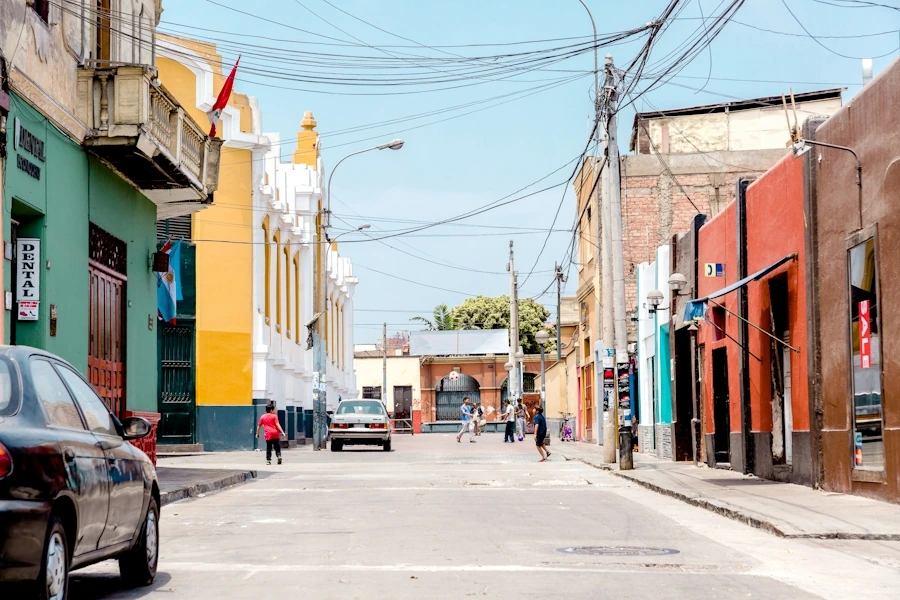
Around the neighborhood’s central public spaces, façades, trees, cafés, and fragments of street art create a pleasingly varied walk. Murals change and businesses move, so leave room for discovery rather than following an old photo map exactly. Look at how the art sits within the street: a large image beside an ordinary doorway can be more interesting in context than cropped tightly to remove all signs of daily life.
The Puente de los Suspiros area is a natural point to investigate, with the nearby descent associated with the neighborhood’s connection toward the coast. Check current public access and take care on steps or uneven surfaces. I’d keep the walk modest and avoid blocking a narrow crossing for a long portrait session. If a space is crowded, move on and return later. Barranco’s appeal does not depend on obtaining an empty version of its best-known corner; the neighborhood has more texture than one composed picture can hold.
Understand the coast before heading down
The Pacific gives Lima a strong geographic identity, but an attractive view from the upper streets does not mean the beach is a simple continuation of the same walk. Cliffs, roads, crossings, and access routes shape the connection. Use a current map and local guidance for any descent, and do not follow an improvised path toward the water. A viewpoint from above can be the better choice if you have limited time or mobility.
I’d treat swimming or surfing as a separate activity with suitable local advice, instruction, and equipment. This afternoon can be entirely land-based and still offer an excellent coastal experience. Fog or low cloud may soften the horizon, which is part of Lima’s atmosphere rather than a failed scene. Look for the relationship between streets and sea instead of expecting bright beach weather. A jacket can be welcome even when the temperature looks mild, especially if you remain outside near evening.
Make food a reason to stay
Barranco is a good place to let a late lunch become part of the day’s identity. Choose a restaurant after checking its current menu, price range, and booking needs. Seafood may be an obvious temptation in Lima, but there is no reason to force one dish into every outing. A meal should fit your appetite and dietary requirements, not a claim that you have eaten the single essential food of the neighborhood.
If trying ceviche, choose a reputable establishment and discuss ingredients and suitability for your needs; raw seafood is not appropriate for every traveler. A cooked option or another Peruvian preparation can be equally rewarding. Ask about portion size before ordering a collection of starters. I’d leave room for coffee, dessert, or an unplanned second stop later, rather than make lunch so large that the rest of the afternoon becomes a recovery period. A well-chosen table can also provide a useful break between museum concentration and the outdoor walk.
A useful way to choose between the museums
Pedro de Osma and the contemporary-art option answer different questions. At Pedro de Osma, pay attention to the relationship between devotional images, elaborate frames, materials, and the domestic setting around the collection. Ask how the museum explains the making and movement of those objects. At a contemporary exhibition, start instead with the artist’s stated concerns and the choices made in the room. You may find a stronger connection with present-day life than with a familiar historical style.
Either visit can lead into the same afternoon walk, but the conversation afterward will differ. I’d choose the institution whose current material makes me curious enough to read a little beforehand. If neither program appeals, keep the museum time for another day and make the neighborhood visit shorter. An excellent lunch and a well-observed walk are better than a dutiful cultural stop entered only to complete an itinerary.
Finish with a view you have time to enjoy
As the light changes, choose a comfortable public viewpoint or a place to sit, then stop adding destinations. If you want to continue along the broader coastal area toward Miraflores, look at the actual route and distance first. That extension can be enjoyable, but it changes the scale of the day. Do not call it a short stroll simply because both districts appear beside the same ocean on a map.
Organize your return from a clear location and allow traffic margin before any evening reservation. A named restaurant or museum is usually easier to communicate than a vague street corner near a bridge. Before leaving, write down one artwork, one street, and one meal you would recommend with a specific reason. Those details make a useful account of Barranco without resorting to bohemian clichés. I’d remember the way the neighborhood lets cultural life and the ocean sit close together, while still asking you to slow down enough to notice each on its own terms.
Sources & further reading
First published 18 October 2026. Page updated 19 October 2026. Planning references checked on 18 October 2026. The edition date above follows your device’s time zone; it does not indicate a new research check. Confirm current opening details and booking arrangements with the places you plan to visit.