
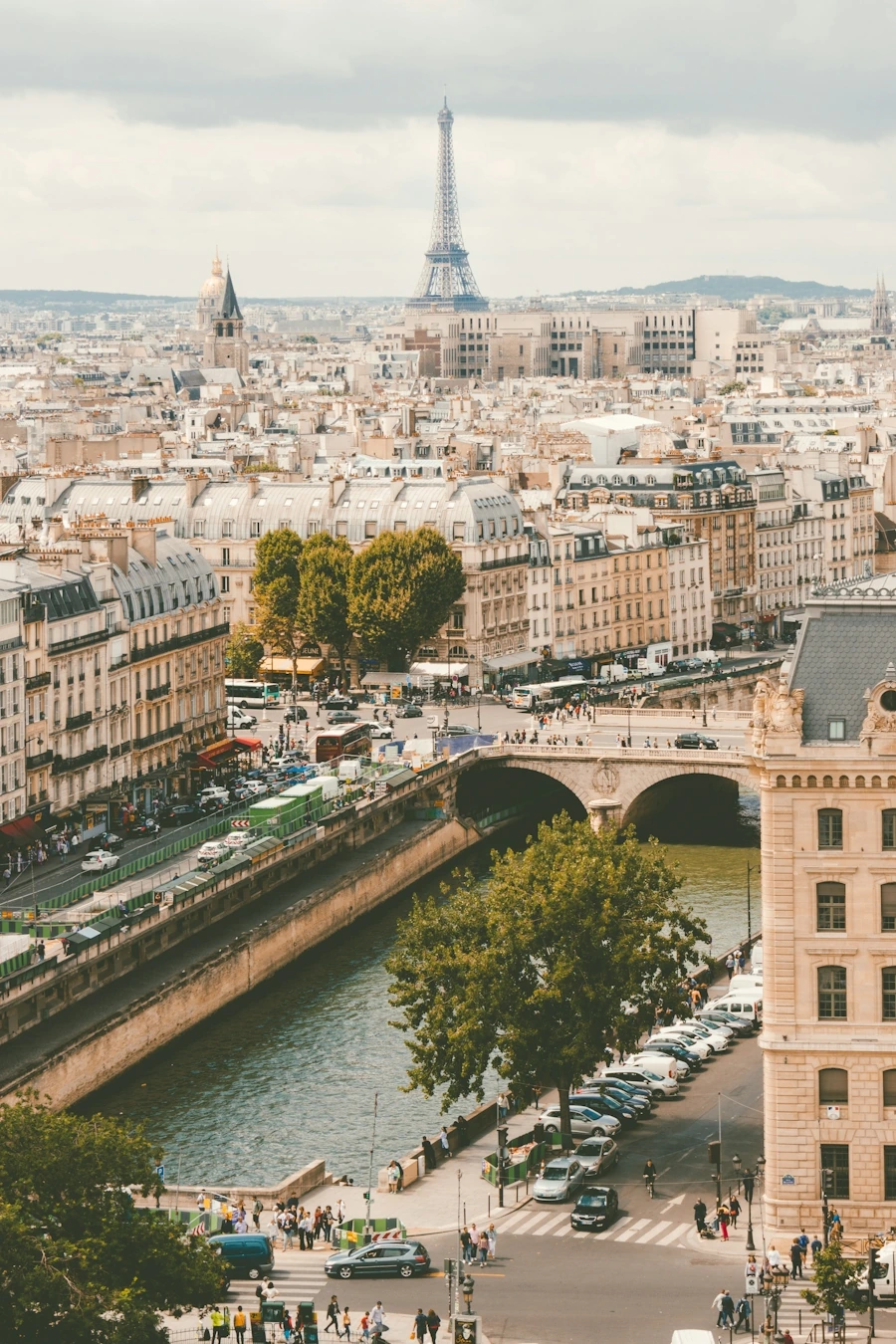
Make this your Paris itinerary
THE SHORT VERSION
- Choose a central stretch rather than attempting the entire landmark waterfront.
- Use one deliberate bridge crossing to change perspective.
- Make the Tuileries a real stop and treat museum entry as optional.
Choose a stretch of river, not the whole Seine
A walk along the Seine sounds effortless until every recognizable monument becomes an extra destination. Suddenly a pleasant afternoon has turned into a long-distance exercise with no time to sit. I would choose a central stretch, roughly between the islands and the Tuileries area, then keep the Eiffel Tower as a separate outing unless you deliberately want a much longer walk. The river is a way of giving Paris a coherent shape, not an instruction to cover every famous bank.
UNESCO recognizes the banks for the way architecture and urban history meet along the water. You can enjoy that idea without carrying a detailed historical commentary. Look at how a bridge frames the opposite bank, how buildings sit above the embankment, and where the river suddenly opens a wider view. This is a good route for someone who likes cities but needs a break from interiors and labels. Bring enough time to stop when a view deserves it.
Begin around the islands
The Île de la Cité area makes a useful orientation point because water and bridges immediately clarify the city's geography. Choose a public river crossing and look both ways before deciding which bank to follow. An island changes the rhythm of the river: a bridge can reveal a building from one side and a longer channel from the other. Let those differences guide a few minutes of looking rather than rushing toward the next recognized name.
If you want to include a major interior nearby, research and reserve it separately. This walk does not depend on adding cathedral access, a chapel ticket, or a boat departure. That distinction keeps it useful when bookings are unavailable or your energy changes. I would rather begin with an unrushed bridge crossing than spend the opening hour negotiating a visit that was only added because its entrance happened to be close to the route.
Alternate the close view and the broad one
A lower riverside path, when open and suitable, gives a different relationship with the water from a pavement above. The lower level emphasizes bridges, embankments, and movement on the river; the upper one connects more directly with buildings and streets. Choose access points carefully and follow current signs, because river conditions and works can affect routes. You need not descend at every opportunity. Two well-chosen changes of level can provide enough variety for an entire afternoon.
Photographs improve when you decide which scale matters. One image might be about the geometry of a bridge, another about a small detail of stone, and another about the larger arrangement of both banks. Give each a little time. Then put the camera away for the next stretch. Walking is more enjoyable when the river has a chance to be a place you are inhabiting rather than a succession of opportunities that might be missed.
Cross once for a reason
Plan one crossing because it changes the experience you want, not simply because every bridge is available. Around Pont Neuf or farther west, a move between banks lets you compare street scale and perspective. Use a current map to connect the crossing with the next genuine stop: a café, a garden, or the museum you have selected. A small amount of intention prevents the route from zigzagging until everyone loses track of the destination.
I would also leave room to double back if a stretch is especially appealing. Travel advice often treats repeated ground as wasted time, but a river looks different in reverse. Buildings that were behind you become the focus, and the next bridge appears against another background. If returning along part of the route is the simplest way to end near useful transport, embrace it. A connected afternoon matters more than drawing an elegant one-way line on a map.
Let the Tuileries be a destination
The Tuileries offers an excellent change from moving along the water. The Louvre's garden information describes the basins, paths, planting, and seasonal access arrangements. Enter because you want the garden, even if you are not visiting the museum. Walk into its larger geometry before choosing where to pause. The shift from a linear river route to a composed garden gives the afternoon a satisfying second rhythm without requiring another ticket or complicated transfer.
Find a permitted seat and stay long enough for the pause to register. You could bring a book, compare impressions with a companion, or look at sculpture as part of the landscape. If the garden is busy, choose a less demanding task than finding perfect solitude. Its public character is part of the appeal. You are sharing a central Paris space with many reasons for being there, and none of them needs to match yours.
The Tuileries' location also helps you keep the route compact: you can make the garden the final destination rather than a halfway stop on the way to the Eiffel Tower. If the Orangerie is booked, end near that side; if not, let an available chair and the garden's long perspectives supply the finish.
Add art only if it is still appealing
Near this stretch of river, museum choices are abundant. A focused visit to the Orangerie can make sense if Monet's Water Lilies are a genuine priority; Orsay asks for a different scale of attention. Choose one in advance if you want certainty, or keep the walk entirely outdoors. A museum should improve the day rather than rescue the feeling that you have not done enough. The river and garden already make a substantial outing.
If you do enter a gallery, decide what to see before scanning every room. A small group of works examined carefully can be more memorable than an ambitious museum circuit after several hours on foot. Eat or rest beforehand if needed, and check the institution's current ticket arrangements. River walks are flexible; museum admissions may be less so. Let the fixed commitment shape the walking direction, rather than trying to force a booking into the end of a route.
Finish near the journey home
Choose your final café or transport stop while you still have energy to make a sensible decision. The central river offers plenty of potential endings, so there is no requirement to continue until tiredness makes the choice. In wet or cold conditions, shorten the outdoor stretch and extend a meal or indoor visit. On an inviting day, spend the extra time sitting by a view instead of automatically adding another bridge to the route.
The lasting value of this walk is orientation. You begin to understand how islands, bridges, museums, and gardens relate, which makes later journeys through Paris more intuitive. Save the places you want to return to rather than diverting into all of them today. One clear piece of the city, experienced with attention, is more useful than a long riverfront checklist whose individual views have already started to blur together.
Sources & further reading
First published 18 October 2026. Page updated 19 October 2026. Planning references checked on 18 October 2026. The edition date above follows your device’s time zone; it does not indicate a new research check. Confirm current opening details and booking arrangements with the places you plan to visit.