
Make this your Chiang Mai itinerary
THE SHORT VERSION
- Survey Warorot before buying food or goods.
- Ask about materials and provenance at a selected craft stop.
- Check current Wualai and market access rather than assuming an evening program.
Begin with the market’s ordinary purpose
Warorot Market offers a useful change from a Chiang Mai visit focused entirely on temples and cafes. It is a place to look at food, practical goods, and shopping routines as well as products intended for visitors. I would arrive with time to browse a compact area, then choose one craft-related stop elsewhere that day. The combination gives you a chance to think about what people use and make, not only what looks good in a suitcase.
Take a first circuit before buying. Notice how different goods are grouped and where deliveries or busy working passages need to stay clear. Ask a vendor before opening a package or touching something whose use is unfamiliar. Curiosity is welcome more often when it comes with a purchase or a concise question, rather than a camera placed close to someone’s hands while they are working.
Choose food you can understand and enjoy
A market snack can be a good introduction to a preparation you have not tried, but establish what it is and how it should be eaten. Ask whether it needs cooking, refrigeration, or immediate consumption. A product that works for a local shopper’s kitchen may be awkward for a traveler heading out for several more hours. Keep purchases modest until you know how you will carry and store them.
If you have dietary restrictions, use specific ingredient questions and accept that a vendor may not be able to guarantee a suitable option. A seated meal in a place with time to discuss your needs can be a better choice than negotiating every stall. Enjoying a market does not require eating everything it offers, and looking carefully at ingredients is an experience in itself.
Give craft a real question
For a craft-focused second chapter, choose a legitimate shop, institution, or publicly accessible workshop and confirm its visitor arrangements. The Wualai area and Wat Si Suphan can be part of an interest in metalwork and local making, but do not assume a religious building is a drop-in workshop. Official tourism information identifies Wat Si Suphan on Wualai Road; current access and any interior restrictions need checking on the day.
When shopping, ask who made an object, where it was produced, and what material it uses. A seller may not know every answer, but the questions help you choose beyond appearance. Avoid claiming that every handmade-looking item supports a nearby artisan. Buy something because its provenance and usefulness make sense to you, and ask how it should be cared for after the trip.
Do not make an evening market compulsory
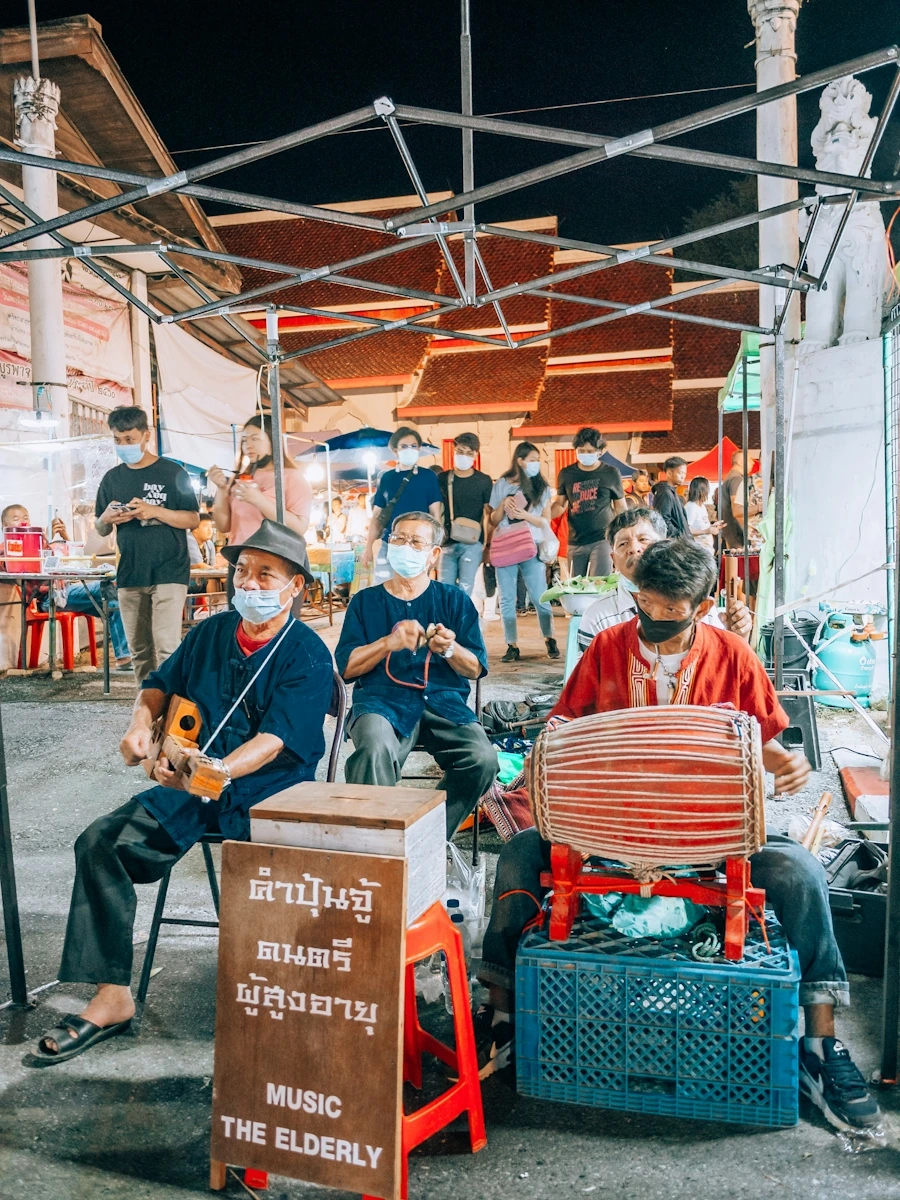
Chiang Mai’s walking markets can be enjoyable, but their schedules and atmosphere differ from daytime market shopping. Check the current day and location if you want one as a separate evening outing. After a full day, you may prefer dinner and an early finish. There is no reason to add another crowded circuit simply because it is mentioned in every city guide.
The best souvenir may be a small object whose story you understand or the name of a dish you want to try again. Leave room for that kind of memory. A thoughtful market day is about learning how to look, ask, and choose. It should leave you with a clearer idea of the place, rather than a bag of purchases you cannot explain and a phone full of faces photographed without permission.
Choose the object after asking where it came from
Warorot is a good place to begin with no immediate purchase. Walk a manageable section and distinguish ready-to-eat food, ingredients intended for a home kitchen, and practical household goods. Read packaging where possible and ask what something is used for rather than assuming an unfamiliar item is a decorative souvenir. Keep questions short when traders are busy. If you want a longer explanation, choose an appropriate business or cultural venue later in the day rather than expecting a market transaction to become an unplanned guided tour.
For food purchases, ask about preparation and storage before thinking about quantity. An appealing product may need cooking or refrigeration, and a long warm afternoon may make it unsuitable to carry. Buy a small amount you can eat or store properly. For something you hope to take overseas, check the destination’s import requirements yourself. A seller may know the product well without knowing the rules of every border. If you want only a meal, choose a setting where you can sit and ask about ingredients calmly instead of building lunch from packages whose purpose remains uncertain.
The craft chapter should have a destination with clear visitor arrangements. A shop that sells metalwork, a legitimate institution, or a publicly accessible workshop can support a specific interest. The Wualai area and Wat Si Suphan provide possible context, but a temple should not be approached as a guaranteed demonstration venue. Check current access and follow any restrictions for the particular building. If a maker is working nearby, ask before watching closely or filming. Their presence at a bench is not permission to record the process or interrupt it with a long series of requests.
Ask practical questions about an object: material, maker, place of production, and care. A thoughtful seller can often explain some of these, while uncertainty is itself useful information. Do not assume every handmade-looking item was produced nearby. Choose something whose story and function you understand, then consider how it will travel. A heavy object, delicate finish, or unusual material can create luggage and border complications. Buying one manageable piece after a useful conversation is more satisfying than acquiring several objects because a busy market made decisions feel urgent.
If an evening walking market is part of the plan, check the actual day, location, and current arrangements. It is a separate experience from Warorot’s daytime working rhythm, not simply the same outing after dark. You may prefer a quiet dinner after a full day, and that is a complete finish. Write down the name of a food or the details of an object you liked even if you did not buy it. A market visit can sharpen your curiosity without filling a bag. The memory worth keeping is the moment an unfamiliar item became understandable through a clear question and answer.
Keep the story with the purchase
If you buy a craft object, save any accurate information the seller provides about its maker, material, and care. A short note or receipt can preserve details that packaging alone does not explain. Avoid adding a romantic origin story later if the provenance was uncertain. You can say you found an object in Chiang Mai without claiming it was made there. That honesty makes the souvenir more useful as a memory and as a recommendation to someone else. The market day has taught you to ask clearer questions; the purchase can carry those answers home rather than becoming another attractive object detached from the place where you encountered it.
Sources & further reading
First published 18 October 2026. Page updated 19 October 2026. Planning references checked on 18 October 2026. The edition date above follows your device’s time zone; it does not indicate a new research check. Confirm current opening details and booking arrangements with the places you plan to visit.