Make this your Lisbon itinerary
THE SHORT VERSION
- Plan around the hills rather than straight-line distance.
- Choose one cultural stop and leave time for the streets.
- Keep a river-level alternative if gradients are a concern.
Make the hillside the whole plan
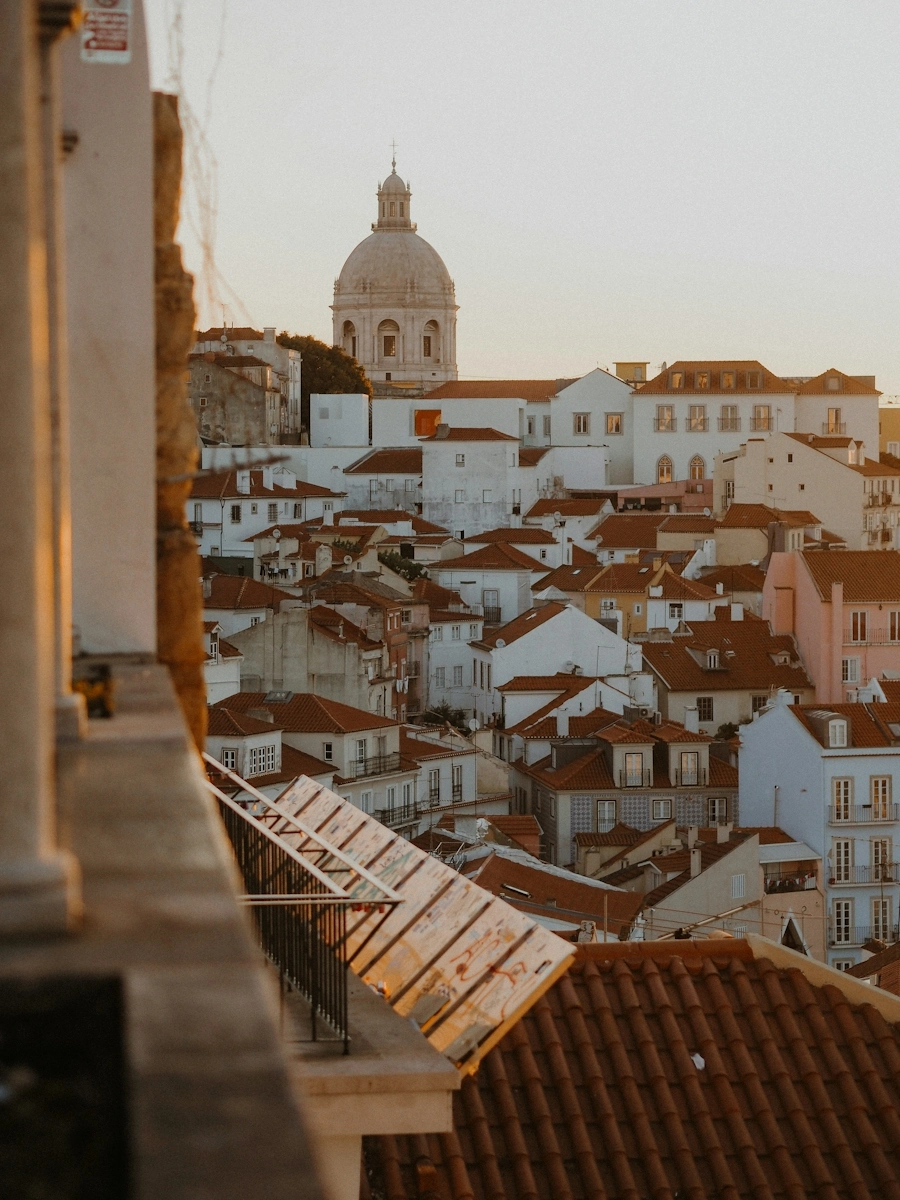
Lisbon is a city where a promising little lane can turn into a surprisingly steep climb. Give Alfama a whole afternoon and the hills stop feeling like obstacles between appointments. You can follow a glimpse of the Tagus, take a proper lunch, and spend longer at a viewpoint because the next stop is only another street away. I would keep Belém for another day; this hillside has plenty to hold your attention.
Visit Lisboa describes Alfama as a neighborhood of cobbled lanes and steep inclines best explored gradually. Take that physical geography seriously: carry a light bag, choose shoes with grip, and shorten the route if the slope becomes uncomfortable. A short distance on a map does not describe the effort involved.
Link the Sé, Santa Luzia, and Portas do Sol
A practical compact sequence starts around the Sé, continues uphill to Miradouro de Santa Luzia, and then reaches the Portas do Sol area. These are orientation anchors, not turn-by-turn directions: use a current walking map for the streets between them. Visit Lisboa identifies Santa Luzia for its view over Alfama and the Tagus, and also highlights the viewpoint’s tile decoration. Spend time looking at both the setting and its details.
If you prefer to descend, reverse this sequence and arrange an appropriate arrival higher on the hill. The route is not a verified step-free itinerary. For access needs, seek a suitable approach before setting out; the river-level parts of Baixa may be a more comfortable alternative to forcing a hillside circuit.
Give the neighborhood some attention
Rather than searching for a supposedly secret lane, choose a public street and follow its relationship to the next square. Notice the changes in building scale, the practical life around doorways, and how the river appears between blocks. Leave space for people carrying shopping, working, or getting home. A narrow passage is still someone’s daily route.
Alfama is associated with fado in the official tourism guide. If music is a priority, plan a performance as a separate, researched choice. Read the venue’s own booking and food arrangements before committing. A moving description on a travel site cannot tell you the total cost or the atmosphere of a particular evening.
Choose one cultural stop
The Castelo de São Jorge can be a possible anchor for this part of town, but do not treat it as a compulsory addition. Check the operator’s current admission, access information, and availability before walking toward it. A ticketed visit uses more time than simply passing a landmark, and it is worth deciding which kind of afternoon you actually want.
Alternatively, keep the afternoon outdoors and spend longer on a public viewpoint and a proper meal. choosing one substantial visit or a freer walk tends to make the day easier to manage. Avoid accumulating reservations on opposite sides of the hill, especially when arriving tired.
Finish with a change of scale
When you are ready, use mapped public streets to descend toward Baixa and the river. The official tourism guide identifies Baixa as a separate area to explore; treat it as the next chapter rather than something you must thoroughly cover before dinner. A broad square or waterfront pause can provide a useful contrast to the hillside streets.
Do not measure success by the number of pins visited. Ask whether you have enough energy to enjoy the last part of the walk. If the answer is no, use transport from a suitable pickup point. Allowing an easy exit is part of making a route practical, particularly in hot weather or rain.
Look close before looking across the river
At Santa Luzia, the panorama is only half the attraction. Before reaching for a wide photograph, give the tiled surfaces and the edges of the terrace a little attention. Then look outward in layers: the nearest roofs, the different heights of the church towers, and finally the great open stretch of water. It is a simple way to make sense of a city that can feel tangled at street level. Portas do Sol offers another angle nearby, but there is no prize for arriving, snapping, and leaving in under a minute.
If both viewpoints feel busy, do not spend the afternoon waiting for an empty frame. Stand somewhere that leaves the through route clear and watch the light change across the buildings. A cloudy day is still worthwhile: muted light can make the textures easier to see. On a hot afternoon, move your longer pause to a shaded table and save the exposed terrace for a shorter look. Bring water before you start climbing, rather than making every refreshment stop depend on the nearest tourist-facing menu.
Make lunch a real stop
For food, look for a menu you can comfortably understand and a dining room where you actually want to sit. A bowl of soup, a fish dish, or a few small plates can suit this afternoon better than a complicated restaurant expedition. Ask what comes with the order, particularly when bread, olives, or other small items appear on the table. If your main interest is Portuguese cooking, choose the restaurant first and bend the walk around it. The best table for your day might be one with shade and no queue.
A pastry and coffee are a good second pause, though I would save them until after the steepest section. Try comparing what you notice from a seated café with what you noticed while walking: a tram negotiating a bend, deliveries being carried uphill, or the way a narrow street suddenly opens. Those ordinary details give the neighborhood its shape. You do not need to describe the café as a secret find or insist that only residents use it. Enjoying a good place is enough.
Choose your evening before you get tired
If fado is what drew you to Alfama, give it its own evening rather than squeezing a performance between sightseeing and a late dinner elsewhere. Compare the venue's programme, any meal requirement, and the total expected spend. Pick somewhere you want to listen, not somewhere you enter only because a person outside calls you over. Once the performance starts, let the music have the room. A conversation that felt harmless over dinner can be intrusive when everyone else has settled down to hear a singer.
For an easier finish, descend to the river and stop there. Look back toward the hill after spending hours inside its streets; the change of perspective is part of the pleasure. Choose a return connection before you sit down, so you can stay until you have had enough rather than worry about the next uphill walk. A short afternoon can end with the Sé and one viewpoint. A longer one can hold the castle or music. Trying to fit all of those into a single hurried circuit is the version I would skip.
A simple plan to save
Save three anchors before setting out: your chosen arrival point, one meal option with a backup, and your return connection. Download or keep access to the relevant map. Leave the spaces between those anchors open. An independent café can become the main stop, and a slow lunch can replace the additional monument without making the day incomplete.
With only an hour, keep the Sé and one viewpoint. With an afternoon, add lunch and the slow descent. If you want the castle or a fado performance, give it room of its own. The nicest version of Alfama is the one you still have the energy to enjoy.
Sources & further reading
First published 18 October 2026. Page updated 19 October 2026. Planning references checked on 18 October 2026. The edition date above follows your device’s time zone; it does not indicate a new research check. Confirm current opening details and booking arrangements with the places you plan to visit.