
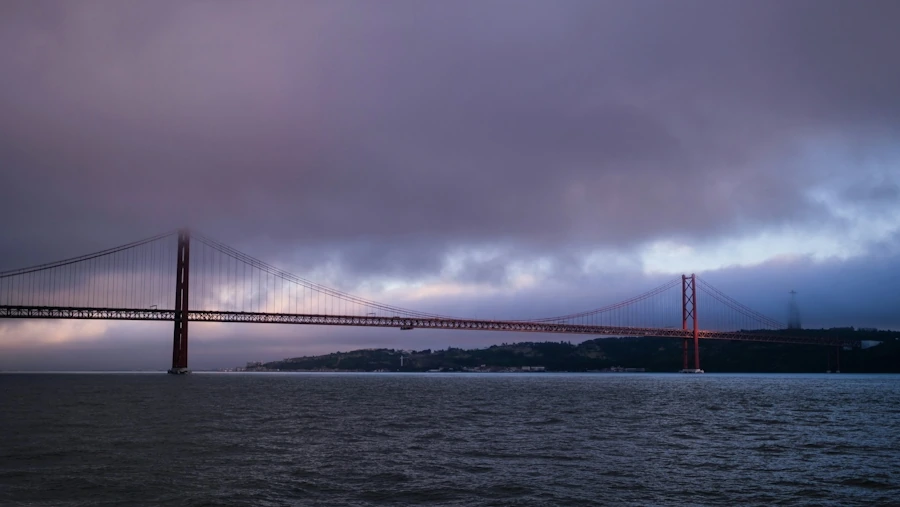
Make this your Lisbon itinerary
THE SHORT VERSION
- Walk the central riverfront between Praça do Comércio and Cais do Sodré.
- Treat the waterfront steps as a resting place; bathing is prohibited.
- Visit Parque das Nações as a separate river-focused outing.
Let the river set the scale
Some Lisbon days are all staircases and viewpoints. This one begins by refusing the climb. Between Praça do Comércio and Cais do Sodré, Ribeira das Naus offers a broad encounter with the Tagus: water, open space, and somewhere to let your feet stop working. I would choose it after a morning indoors or make it the centerpiece of an arrival afternoon when you want to understand the city without absorbing another long list of names.
The route's strength is its modesty. You are not trying to connect every waterfront district from the old town to Belém. You are exploring one central stretch well, then using the remaining time according to appetite and energy. Lisbon's tourism office identifies the former boatyard, grassy areas, and broad steps here. Those are useful ingredients for a visit, but the real pleasure comes from deciding how little you need to add.
Begin with the square, not the camera
Praça do Comércio gives the outing a clear starting point. Before heading toward the water, take a slow circuit of the square's public edges and notice how the river changes its proportions. The open side makes the space feel different from an enclosed urban plaza. Stand where you can see the relationship among paving, arcades, buildings, and water. A few minutes of looking will give later photographs a purpose beyond proving that you arrived.
If you want a coffee here, choose the seat and menu you actually want rather than treating a famous address as a requirement. The square can also work as an uncomplicated meeting point for a group whose members have different plans. Agree on a specific landmark and a time, then allow anyone who prefers a shorter outing to join only the riverside part. That flexibility is one reason this route works well early in a trip.
If photographing the square, give yourself two distinct subjects: the architectural frame facing inland and the open river edge. Switching between them helps explain why this place feels different from Lisbon's smaller enclosed squares.
Walk west at an unhurried pace
From the square, use the marked pedestrian connections toward Ribeira das Naus. The tourism board describes this riverfront as linking Cais das Colunas with Cais do Sodré. Rather than walking straight through, break the stretch into small pauses: one view back toward the square, one moment near the planted area, and one longer stop where you can sit appropriately. The changing angle matters more than the number of steps recorded on a phone.
There are people moving through for ordinary reasons as well as sightseeing, so keep the main path clear when stopping. If you want to write or sketch, find a settled position rather than stand in a circulation point. I would put the phone away for part of this walk. An open waterfront becomes oddly forgettable if the entire experience is spent hunting for a more impressive image of the same stretch of water.
Cais das Colunas gives the square's water-facing edge a clear visual marker. Use it to compare two directions: inland toward the ordered architecture, then west along the riverfront. That small turn explains the outing's whole appeal, moving from a ceremonial urban space into a much looser place for everyday leisure.
Those steps are a seat, not a beach plan
Ribeira das Naus is sometimes described with beach language because of its steps and leisure space. That does not make it a swimming beach: the official Lisbon guide explicitly says bathing is prohibited. Enjoy it as a place to look out, talk, or take a rest. Stay aware of the water's edge and choose a comfortable position for your own mobility and balance. There is no need to sit on the lowest possible step to appreciate the river.
The pause can be the main event. Bring a book you genuinely want to read, or choose one question to discuss with a travel companion: what has surprised you about the city, and what do you want more time for? That sounds small, but it can change the rest of a trip. A destination is easier to enjoy when you occasionally stop collecting information and decide which experiences are actually working for you.
Let Cais do Sodré change the mood
Reaching Cais do Sodré brings transport, streets, and food choices back into the picture. This is a good decision point rather than an instruction to keep walking. You could turn inland for a meal, use transport to return to your accommodation, or make a separate excursion with a proper plan. The mistake would be to treat every arriving train, ferry, or street as an invitation to add another district without checking where it leads.
For a food stop, I would compare the atmosphere you want with the time you have. A busy food hall can offer choice for a group, while a seated café may give a solo reader a calmer break. Neither is automatically more authentic. Look at available dishes, seating, and the order process before buying. If the setting is too hectic for the afternoon you intended, keep walking until the decision feels straightforward.
Make a deliberate extension
Parque das Nações offers another version of Lisbon beside the river, with linked green areas and a much more contemporary urban setting. It is a separate destination, not the next casual stop on this short walk. Visit Lisboa highlights its garden spaces and their relationship with the Tagus. If comparing waterfronts interests you, save it for another half day and enjoy how different parts of the same city answer the same geographical condition.
Belém is another possible future chapter, particularly for architecture and museums. I would resist combining it with this outing just because the river appears continuous on a map. A pleasant short walk can turn into an awkward transfer chain when distant sights are added too late. Instead, use the afternoon to identify what you want next: more water, a museum, a neighborhood meal, or a hilltop view on another day.
A useful plan for almost any arrival
This route suits the first day of a city break because you can stop without disrupting a booking. Start at Praça do Comércio, walk toward Cais do Sodré, and plan just one meal or drink. Check current weather and walking conditions before leaving, and keep a simple return option. The exposed riverfront can feel different from sheltered streets, so dress for the outing you are actually taking rather than the temperature displayed for the city in general.
For a shorter version, remain near the square and choose one comfortable riverside pause. For a longer one, spend additional time looking rather than automatically adding distance. You can return along the same stretch without failing at exploration: a reversed view is often enough of a change. Lisbon's hills will still be waiting tomorrow. For this afternoon, the city can be understood through its open edge and the uncomplicated pleasure of having nowhere urgent to climb.
Sources & further reading
First published 18 October 2026. Page updated 19 October 2026. Planning references checked on 18 October 2026. The edition date above follows your device’s time zone; it does not indicate a new research check. Confirm current opening details and booking arrangements with the places you plan to visit.