
Make this your Lisbon itinerary
THE SHORT VERSION
- Choose one main interior before traveling to Belém.
- Pair the monastery area with a bakery pause and river walk.
- Use MAAT as an optional contemporary extension, not a compulsory final stop.
Start with a smaller ambition
Belém is the part of Lisbon where a day can disappear into ticket queues before you have properly looked at the river. I would give it a generous half day, then make one decision before leaving the hotel: which interior actually matters to you? If the monastery is the reason for coming, build around that. If architecture is your interest, lean toward MAAT. The remaining landmarks can be enjoyed from outside without turning the visit into an endurance test.
The appeal here is the contrast between carved stone and an unusually open waterfront. Central Lisbon often makes you work uphill for a view; Belém gives you distance and sky at river level. Treat it as a change of pace rather than an extension of a packed morning in the old town. A separate visit also makes transport easier to understand: arrive in Belém, explore a connected stretch, and return when you feel finished.
Give Jerónimos your best attention
The Jerónimos Monastery is the obvious architectural anchor. Even before going inside, stand back far enough to see how its long frontage holds the street. Move closer only after taking in the whole building. Ornament is easier to appreciate when it belongs to a larger shape rather than appearing as a succession of camera details. My preference would be to arrive with enough energy for the monastery and let the rest of the outing stay flexible.
Check the monument operator's current entry arrangements before committing to a timed sequence. Church access and a cloister visit should not be assumed to mean the same thing, and restoration can change what is available. If the visit you want cannot fit comfortably, keep the exterior and choose a different interior nearby. Missing a particular room is less disappointing than spending the entire afternoon negotiating a schedule you never wanted in the first place.
A useful detail to watch for is the armillary sphere in the tower's decoration: it connects the building's visual language to royal power and navigation rather than serving as ornament alone. You can look for that relationship from an exterior visit.
A pastry belongs in the plan
Pastéis de Belém gives the neighborhood a particularly easy food anchor. The bakery dates its production to 1837 and explains its connection with a recipe from the monastery. That is enough history to make a stop interesting without pretending that one pastry tells the whole story of Portuguese baking. Try the house specialty, notice the relationship between crisp pastry and soft filling, and decide whether you actually want another before ordering a large box.
I would use this as a proper pause rather than eat while walking toward the next attraction. Check the difference between the takeaway line and seating arrangements when you arrive. A visible queue does not necessarily describe every way of buying. If the wait is longer than you want to spend, return later or choose another café for your break. There is no obligation to make a famous snack the most time-consuming part of the day.
For a meal-free short version, keep the monastery frontage and pastry stop together, then choose the tower or MAAT as the next chapter. The tower pulls the day toward maritime history; MAAT pulls it toward contemporary art and the reuse of industrial architecture. Choosing between them gives the afternoon a clearer identity.
Meet the tower at the water
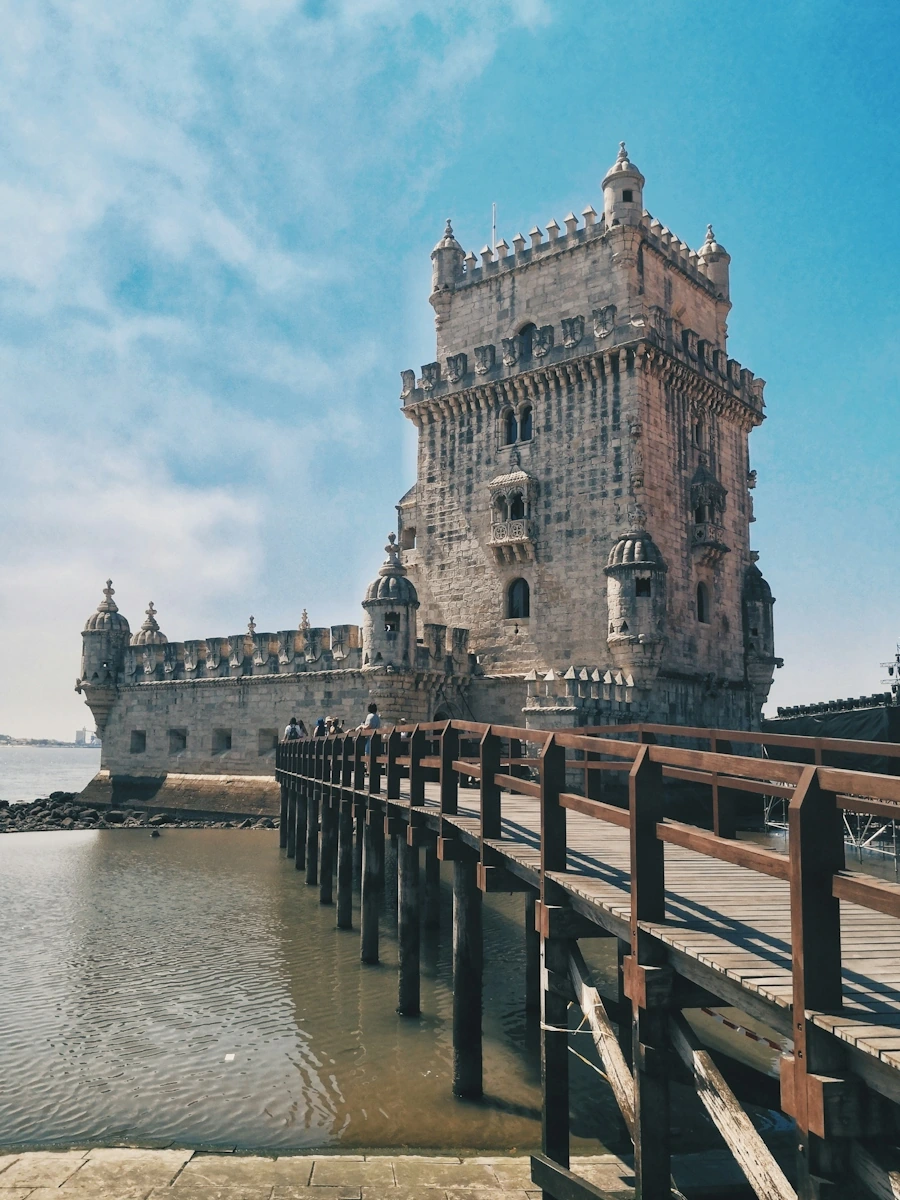
Belém Tower makes the most sense when approached as a riverside structure rather than an isolated photograph. Lisbon's tourism office describes its defensive role and the symbolism built into its design. Look at the bastion projecting toward the water, then consider the difference between a building guarding an approach and a building now surrounded by sightseeing activity. That shift is part of what makes it worth seeing even if you do not enter.
Do not confuse a good exterior visit with a failed interior one. Decide in advance what you hope to get from going inside, and compare that with the day's access arrangements. The waterfront itself can be the more memorable part: give yourself room to stop without blocking the main walking line, and look back toward the city as well as toward the monument. A view becomes richer when the famous object is allowed to share the frame.
Choose a contemporary counterpoint
MAAT offers a different conversation about the river, with art, architecture, technology, and the former power station on one campus. The museum's program changes, so choose an exhibition because its subject interests you rather than assuming any ticket will deliver the same experience. I like this pairing in principle: old maritime monumentality followed by a contemporary cultural building, with the Tagus providing continuity between them.
You do not need to complete every possible part of the campus. Spend a little time outside considering how the newer building meets its surroundings, then use the museum's own information to choose an indoor visit. Walking east toward MAAT can make a satisfying final chapter to Belém, but measure the route against your energy. A longer waterfront outing is enjoyable only when it has enough time and a realistic way home.
Keep lunch straightforward
Belém works better with one substantial meal than with repeated emergency snacks. Before setting out, decide whether lunch is a seated event or a quick stop between visits. For a restaurant, look at the actual menu and ask what is available that day. A shorter selection can be easier to navigate than a long list of supposed essentials. Fish, soup, sandwiches, and pastries each solve different appetites; you need not assemble an entire national food survey in one neighborhood.
A table away from the busiest frontage may give you more room to settle, but judge each place on what it offers rather than assuming a side street guarantees quality. If traveling with others, agree on your food budget before anyone sits down. The point of planning lunch is to protect the afternoon from rushed decisions. It also gives you a fixed rest while leaving the museums and river walk free to expand or contract.
Leave a little unfinished
For a first visit, my preferred sequence would be the monastery area, a bakery stop, the tower waterfront, and an optional continuation toward MAAT. Reverse or shorten it to suit confirmed entry times. These are neighborhood anchors rather than a promise that every connecting section is equally easy: use current pedestrian directions, official crossings, and the transport operator's live information. Belém is spread out enough that small detours add up.
Bring only what you are happy to carry for the whole outing and allow for exposed stretches by the river. If the weather turns, keep one indoor choice rather than attempt to rescue the original itinerary in full. And when the visit feels complete, leave. The best reason to return to Belém is a genuine interest in what remains, not the feeling that you failed to collect enough landmarks on your first attempt.
Sources & further reading
First published 18 October 2026. Page updated 19 October 2026. Planning references checked on 18 October 2026. The edition date above follows your device’s time zone; it does not indicate a new research check. Confirm current opening details and booking arrangements with the places you plan to visit.