
Make this your Paris itinerary
THE SHORT VERSION
- Choose Orsay for a broad visit or the Orangerie for a more concentrated art day.
- Look at a work before reading its label, then return for a second look.
- Leave lunch and the afternoon flexible after your booked museum visit.
One good museum can fill a day
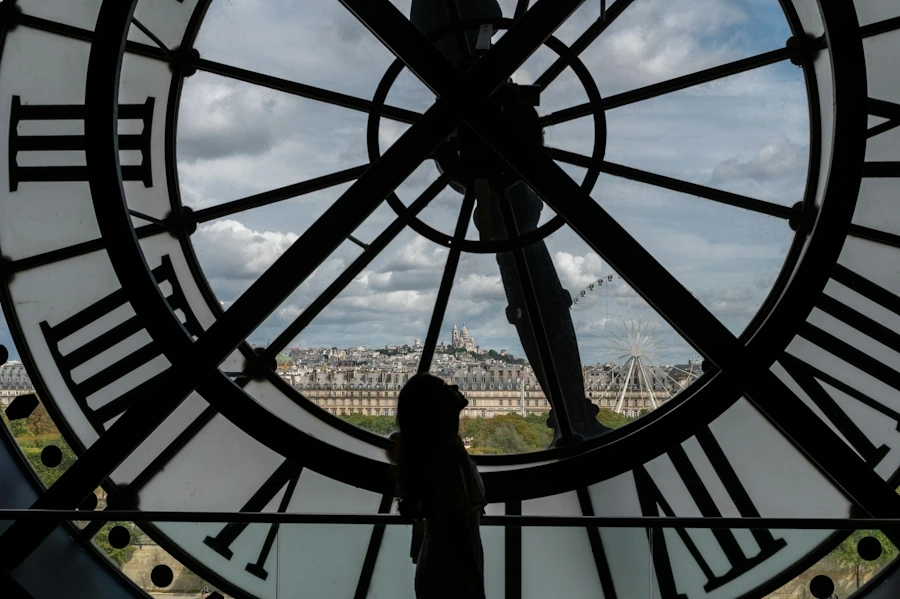
Paris encourages ambition. Before you arrive, an art day can expand from one favorite painter to three museums and a long dinner across town. I would start by removing two of those museums. Choose Orsay if you want a broad collection and a substantial building to explore; choose the Orangerie if Monet's Water Lilies and a more concentrated visit appeal to you. Both can reward careful looking. Neither needs to be justified by adding another major institution afterward.
The decision is about attention rather than stamina. You can physically pass through many rooms without taking much from them. A slower plan gives you time to return to a work, notice something beyond the subject, and connect what you saw with a conversation or a walk afterward. Make the museum the day's anchor, then protect a relaxed interval on either side. That structure is particularly helpful if you do not visit galleries often.
Choose your question before your ticket
Instead of asking which museum is best, ask what you want to notice. Are you interested in color, portraits, city life, landscape, or the way a large painting changes a room? A question narrows the visit without demanding prior expertise. Look at each museum's official collection and exhibition pages, then choose the institution that offers a useful entry point. Temporary exhibitions can influence the decision, but only if their subject genuinely interests you.
Check current admission arrangements, opening dates, and any special booking requirements for the particular exhibition. Once booked, work out the simplest arrival and give yourself a margin before entry. I would avoid a timed meal or another museum immediately afterward. Good looking does not follow a reliable minute-by-minute schedule, and the temptation to leave a room early is stronger when your phone keeps reminding you that the next reservation is approaching.
Orsay for range and an architectural frame
Orsay's collections make it a strong choice for anyone who wants several artistic approaches in one visit. Start by taking in the building and the main arrangement of the galleries, then pick a manageable route from the official map. Do not feel obliged to inspect every artwork with equal seriousness. Choose an initial room or theme and settle into looking there. A broad collection is an opportunity to select, not a demand to complete.
My preferred method is to alternate a familiar work with something I would otherwise pass. Recognition supplies an easy beginning; the unexpected work keeps the visit from becoming a checklist. Compare how each uses light, composition, or the viewer's distance. Read the label after forming an initial impression, then look again. The second look often changes more than another paragraph of background would. If a gallery is crowded, move to a different work and return later if practical.
Orangerie for looking that surrounds you
The Orangerie presents Monet's large Water Lilies decorations alongside other collections and exhibitions. The scale of that experience calls for a different pace from a quick sequence of framed pictures. Give the room time to become part of the work. Look across the painting, then at a smaller area, then at how the whole changes from another position. You do not need to identify every reflection or plant to notice the relationships of color and rhythm.
I would resist treating these rooms as a photographic appointment. Follow the museum's current photography and conduct rules, and let other visitors have their space. Afterward, choose a few works from the rest of the museum rather than assume the headline paintings have exhausted its value. Consult the current collection route when planning; displays can change. A concentrated museum can still surprise you if you arrive with enough time for more than the famous room.
The Orangerie's Walter-Guillaume collection supplies a useful contrast with Monet's large decorations. If that contrast appeals, leave time to see how the experience changes from an encompassing painted environment to individual works that ask you to approach, compare, and move on at a different pace.
Look without performing expertise
A useful looking exercise is to spend several minutes with one work before reading about it. Describe only what you can see: where the brightest area sits, how the eye moves, what feels near or distant, and which shapes repeat. Then read the label and notice what it adds. This keeps background information from replacing perception. You are allowed to have a response before learning whether it resembles the museum's interpretation or a familiar critical opinion.
With a companion, choose one work each and explain the choice in ordinary language. You may discover that the picture you barely noticed gives someone else the strongest experience of the day. That conversation can be more memorable than a fast agreement that every famous work is impressive. If visiting alone, write one sentence about a work you want to remember. Specific notes preserve more than a phone full of hurried photographs of labels.
Lunch should give your eyes a rest
After the museum, choose a meal that does not require another campaign of research. Decide whether you want something nearby or a deliberate walk before sitting, then check the actual menu and atmosphere. A quieter setting may be welcome after crowded galleries; someone energized by the visit may prefer a livelier café. The right choice supports the conversation you want to have. You do not need a celebrated restaurant for an art day to feel complete.
Use lunch to compare impressions rather than immediately consulting tomorrow's itinerary. Which work stayed with you, and did the building affect how you experienced it? If you bought a postcard, let it sit on the table as a prompt. If nothing produced a strong emotional response, that is also a useful observation. Museum visits do not need to be transformative every time. Learning what kind of art holds your attention can be enough.
Give the afternoon a different texture
The nearby Tuileries provides a natural outdoor chapter if you choose the Orangerie, while the Seine can offer a change after either museum. Check the garden's current seasonal hours and keep the walk modest. You have already spent a substantial part of the day standing and looking. A bench, a short stroll, and a direct journey home may be more appealing than crossing Paris for a second cultural commitment simply because there is still daylight.
For an art-focused return visit, save the other museum and ask a new question. You might compare landscapes across institutions or follow an artist who caught your interest today. That gives the next outing a reason beyond unfinished obligation. Paris rewards repeated looking, and one considered day is a good foundation. Leave with a few clear images in mind and enough curiosity to want another visit, rather than the relief of having finally reached the exit.
Sources & further reading
First published 18 October 2026. Page updated 19 October 2026. Planning references checked on 18 October 2026. The edition date above follows your device’s time zone; it does not indicate a new research check. Confirm current opening details and booking arrangements with the places you plan to visit.