
Make this your Seoul itinerary
THE SHORT VERSION
- Choose one park and verify the station-to-river approach.
- Keep pedestrians and cycle traffic separate.
- Make food simple and check current park rules and notices.
Pick one stretch of river
The Hangang is broad enough to make Seoul feel like a different city from the one you have been negotiating underground. A riverside afternoon gives you room to walk, sit, and watch ordinary public life without another ticket or exhibition to complete. I would choose one park and one access point rather than trying to link several famous river locations. The shoreline is much larger than a compact visitor map suggests.
Jamwon, Yeouido, and other Hangang parks offer different starting contexts. Choose according to your accommodation, interests, and the current park guidance rather than a single sunset photograph. Check the route from the station to the actual river, not just to a neighborhood named on the map. Roads, bridges, and changes in level can make the final approach less direct than you expect.
Walk before settling down
Take a short first walk to understand the division between pedestrian paths, cycle routes, lawns, and other facilities. This makes it easier to choose a picnic spot without accidentally placing your group beside the fastest stream of movement. Stay out of marked cycle lanes, keep children aware of approaching riders, and avoid stopping abruptly where paths narrow.
The most useful photograph may be the one that shows how people use the space rather than the widest skyline. Look at the relationship between bridge, river, lawn, and path. Ask permission if a particular person becomes your subject. A public park offers plenty to observe without treating residents relaxing after work as a performance for visitors.
Keep the picnic pleasantly simple
Bring a meal you can carry comfortably and eat without elaborate equipment. Check current park rules about food, alcohol, smoking, and waste before assuming that something you have seen online is allowed everywhere. Choose packaging you can pack away cleanly, and leave room in your bag to carry rubbish until you reach the correct disposal point. Wind beside the river can scatter a lightweight wrapper surprisingly quickly.
Food delivery is often presented as part of a Seoul river experience, but visitors do not need to make it the centerpiece. Ordering can involve local app, language, phone, and pickup arrangements that vary. Buying a straightforward meal on your approach is a perfectly good alternative. The point is to spend time beside the water, not to troubleshoot an app while your companions wait hungry on the grass.
Let the light change without chasing a show
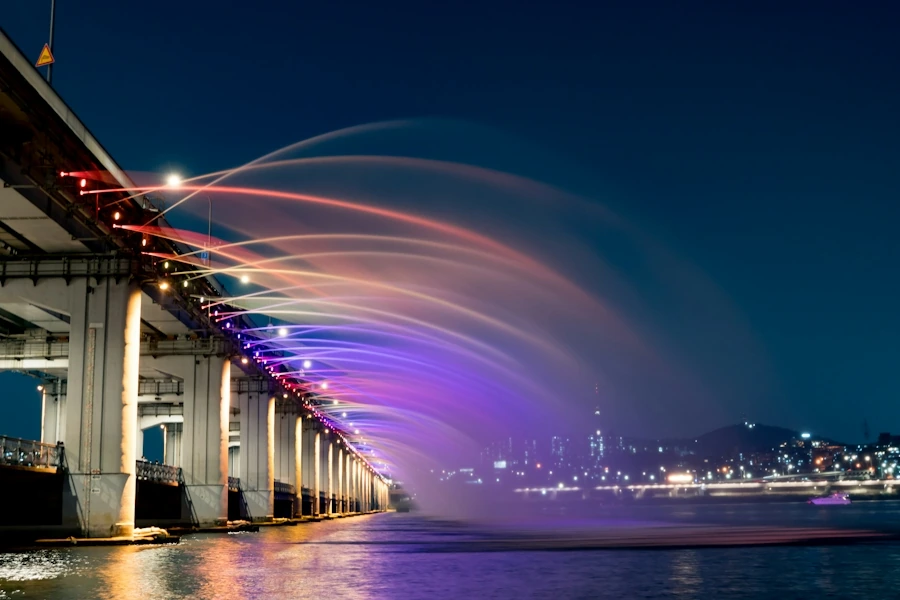
If you want a late-afternoon visit, allow the changing light to be the event. A specific fountain, performance, or seasonal program should be checked with current official information rather than assumed from an old video. You can have a satisfying evening without a scheduled spectacle. Buildings become silhouettes, the river changes tone, and the park’s use shifts as people arrive after work.
Leave with a clear return route and enough warmth for the walk back. If the weather worsens or a notice closes a riverside section, accept a shorter visit. The Hangang is not an itinerary task to finish; it is a large public landscape you can return to from a different point. Choosing one stretch gives you a better chance of remembering its particular view and atmosphere.
Choose a river entrance, not just a park name
A Hangang park name can cover much more territory than you expect. Choose the actual entrance, the station exit, and the river section where you intend to sit or walk. Jamwon, Yeouido, and other parks have different approaches and facilities, so use the current official map for the one you select. Mark the return before you reach the water. An entrance that feels obvious in daylight can be less recognizable after an evening on a broad lawn, particularly if you have walked farther along the river than originally planned.
On arrival, make a short orientation loop before opening a picnic. Look for the relationship between bicycle routes, walking paths, lawns, toilets, and other facilities. A seemingly convenient place beside a path can put your group close to constant fast movement. Choose an appropriate resting area and keep bags or loose clothing out of circulation space. If you rent a bicycle, treat that as a separate activity with current rules, a usable route, and enough confidence to share the path considerately. It is not simply a prop for a riverside photograph.
For food, buy what you can carry and eat without turning the grass into an improvised kitchen. Check the park’s rules and sort packaging afterward as directed. Delivery is possible in some local contexts, but a visitor should not assume every app, phone number, payment method, or pickup arrangement will work smoothly. A simple meal collected on the approach can be much easier. Keep sauces and lightweight wrappers secure against wind. If you cannot identify a suitable disposal point, take the waste with you instead of placing it beside a full bin for someone else to manage.
Late light gives the river an appealing mood, but any particular scheduled attraction needs a current check. A fountain or event shown in an old video may not be running during your visit. Do not spend the entire afternoon waiting in one place for a program you have not verified. Walk, sit, and notice the ordinary transition as more people arrive after work. Bridges and buildings change against the sky whether or not an event occurs. The park is already providing an experience through its public use and the changing scale of the water.
Before leaving, compare the route out with the one you saved. A longer walk along the bank may put you closer to another usable exit, but check the complete connection rather than heading toward a station symbol across a large road. If rain or river conditions change, obey closures promptly and use the appropriate exit. In colder weather, leave before sitting has made the return unpleasant. You do not need to stay until the final trace of light. A comfortable river afternoon should make Seoul feel more spacious, not end with a long anxious search for an underpass.
Read the scale of the water
A useful river observation is to follow one bridge from bank to bank with your eyes. Notice how far away the opposite shoreline appears and how small people or vehicles become against the wider setting. This helps explain why a park name can cover so much ground and why crossing the river is a different undertaking from walking along it. Then return your attention to something close, such as a path junction or the edge of a lawn. The contrast gives the afternoon both scales: Seoul as a broad city landscape and the small practical space where you have chosen to spend a few hours.
Sources & further reading
First published 18 October 2026. Page updated 19 October 2026. Planning references checked on 18 October 2026. The edition date above follows your device’s time zone; it does not indicate a new research check. Confirm current opening details and booking arrangements with the places you plan to visit.