
Make this your Tokyo itinerary
THE SHORT VERSION
- Focus on a compact Aoyama–Omotesando route.
- Observe entrances, materials, and light rather than collecting architect names.
- Check Nezu Museum admission and exhibition-change closures before visiting.
A design walk does not require a shopping budget
Omotesando and Aoyama are rewarding places to look at architecture even if you have no intention of buying fashion. Storefronts become experiments in material, transparency, scale, and the relationship between a building and the pavement. I would choose a short route and one indoor anchor rather than compiling a checklist of famous architects. A small number of buildings seen carefully is more interesting than a long sequence of names.
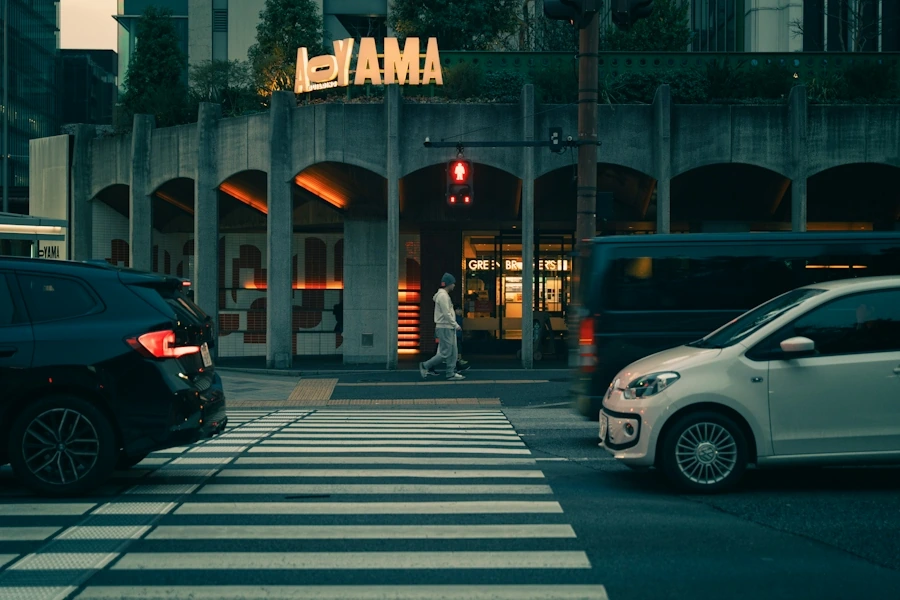
Begin near Omote-sando Station and take a moment to read the street. Compare the broad avenue with a quieter side street. Notice how entrances invite or discourage movement, where trees soften the frontage, and how a large building changes when seen from across the road. Use crossings properly. A good facade photograph is not worth stepping backward into traffic while concentrating on vertical lines.
Look at what the building makes possible
Instead of asking only who designed a building, ask how it works. Does the entrance make sense? Can a passerby see activity inside? How does light reach the lower levels? These questions turn a design walk into a personal observation rather than an architecture exam. You do not need to agree with a celebrated building to enjoy considering it.
When a public retail interior welcomes you, follow its rules and remain considerate of staff and customers. Ask before taking photographs if the policy is unclear. A commercial space is still a working space, and not every staircase or upper floor is available for casual sightseeing. Looking from the street is often enough to understand the main idea without pretending to shop in a place that does not interest you.
Give the Nezu Museum a proper appointment
The Nezu Museum can provide the afternoon’s slower center. GO TOKYO identifies its Kengo Kuma-designed building, collection, and garden as a combined experience. Check the museum’s own program and admission arrangements before going, especially around exhibition changes. This is not a free garden shortcut behind a convenient cafe; the garden and cafe belong to the museum visit.
Inside, choose a manageable amount of art to look at closely. Then let the garden change your attention from display cases to paths, planting, and views. It can be tempting to rush directly toward the most photogenic part of a museum, but the transition between spaces is part of the design. Notice how the building prepares you for the garden and how the garden changes your impression when you look back.
End with an ordinary object
After the museum, browse something modest if you want a final stop: stationery, a book, or an everyday object whose design interests you. Looking at expensive architecture and then a small useful object can make a satisfying comparison. Both involve choices about material and use, only at very different scales. You can enjoy the conversation between them without turning the day into a shopping spree.
Finish with coffee or a simple meal on a street you liked. Avoid adding a distant design destination just because you have found momentum. A compact walk lets buildings remain distinct in your memory. You might leave remembering the depth of a doorway, the shade beneath an eave, or the way a garden appeared after a dark interior. Those are worthwhile observations even if you cannot recite the name of every architect.
From a facade to a museum threshold
Build the route around the Nezu Museum only if you want to enter it. Its garden and cafe are part of the admitted museum experience, so they should not be treated as a free public rest stop behind the building. Check the current exhibition, booking arrangements, and closure period directly. If the museum is between displays, plan an architecture-led afternoon without promising yourself its interior. This single check can prevent a long approach from ending at a closed door and gives you a better basis for deciding how much of Omotesando to explore first.
On the avenue, compare a building from across the street with its entrance at close range. These positions answer different questions. From a distance, you can see mass, transparency, and the rhythm of a frontage; near the door, you notice handles, shelter, signage, and how a person is expected to enter. That is a manageable way to look without carrying a catalogue of architect names. Use pedestrian crossings and pause clear of shop entrances. The desire to correct a vertical line in a photograph should never draw you backward into the road.
The side streets are useful precisely because they reduce the scale. A small doorway or ordinary shop can reveal a design decision as clearly as a landmark retail facade. Follow public routes and remember that an inviting-looking courtyard may still be private. If you enter a store, respect its policies and the customers who have come to shop. Looking at a public commercial interior is reasonable; using its staff as unpaid guides to architecture is another request entirely. Ask a brief question when appropriate, then allow the business to function around you.
At the museum, let the art and garden remain connected. A few objects studied closely can prepare you for the quieter attention of an outdoor path. Notice what you can see from inside, how the threshold changes the light, and whether the garden feels different when you look back toward the building. Take images only where permitted. It is not necessary to produce a comprehensive visual record of the design to understand something about it. A remembered relationship between two spaces may be more valuable than dozens of files collected while moving quickly through both.
For the final stop, consider a book or an everyday object rather than another monumental building. A useful item can extend the design conversation into a scale you can hold and understand. Ask about its material or intended use before buying it. Then choose a cafe whose seating actually suits a pause, not simply whose interior is famous. By the end of the afternoon, you might have an opinion about an entrance, a garden transition, and a small object. That is a satisfying design walk even if you have purchased very little and cannot recite every name on the route.
Try a small design exercise
Choose an entrance you liked and ask why it worked for you. Was it easy to find, sheltered from weather, visually connected to the street, or inviting without being confusing? Then compare it with another building on the route. This gives an architecture afternoon a concrete activity beyond naming designers. It also connects the grander retail facades with the small objects you may browse later: both must communicate how they are used. You may leave with a clearer personal preference for light, material, or scale, which is more useful than feeling obliged to admire every celebrated building you pass.
Sources & further reading
First published 18 October 2026. Page updated 19 October 2026. Planning references checked on 18 October 2026. The edition date above follows your device’s time zone; it does not indicate a new research check. Confirm current opening details and booking arrangements with the places you plan to visit.