
Make this your Tokyo itinerary
THE SHORT VERSION
- Use Nippori and Nezu as a compact walking framework.
- Choose one small cultural institution as an anchor.
- Respect cemetery, shrine, and residential photography boundaries.
Arrive without looking for an untouched past
Yanaka and Nezu are appealing because their streets invite a different pace from Tokyo’s major commercial centers. That does not mean they are a preserved world outside modern life. People live, work, study, and shop here, and the neighborhood is more interesting when you notice those present-day routines alongside older buildings. I would start around Nippori and make a compact walk toward Nezu rather than trying to turn the area into an all-day hunt for nostalgia.
Choose two anchors, perhaps a small museum or temple and a shopping street, then let the connecting lanes provide the rest. This keeps the walk specific without scripting every corner. Look at the scale of storefronts and the way the streets bend. Tokyo feels different when a block invites you to look through one shop window rather than scan a skyline.
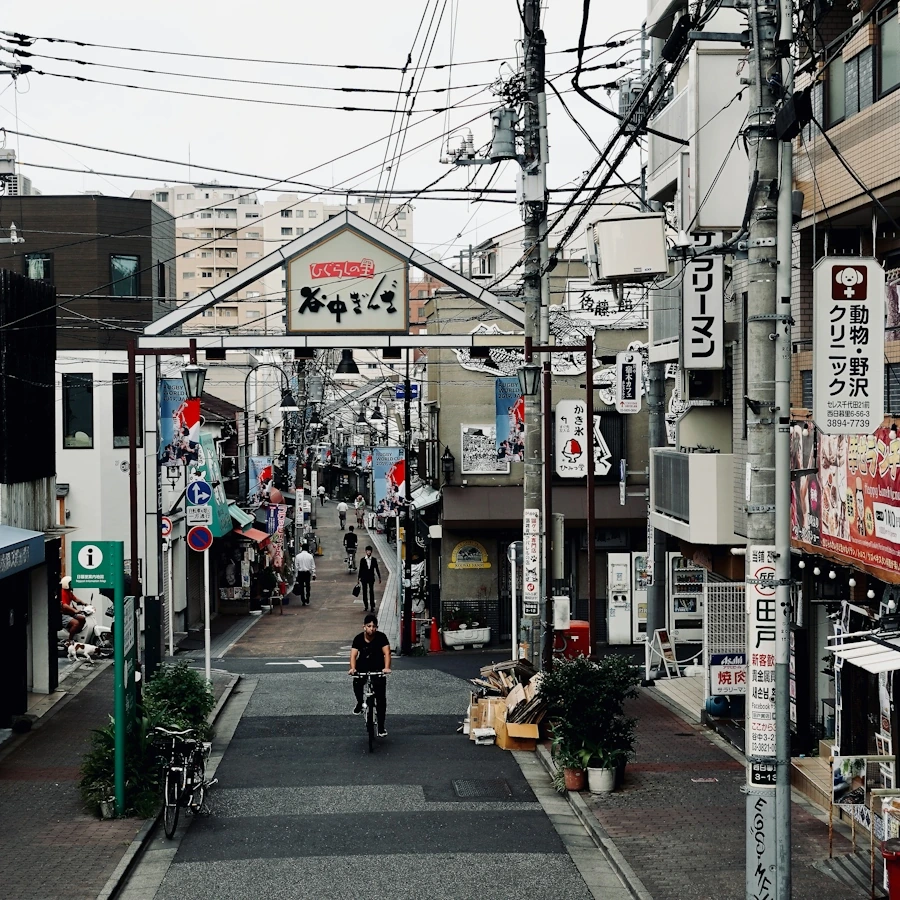
Browse Yanaka Ginza with a little patience
Yanaka Ginza is a useful place to orient yourself, though it is not the whole neighborhood. Take a short first pass before deciding where to buy something. If a shop sells prepared food, follow its eating and rubbish instructions instead of assuming you can carry a snack through every adjoining lane. Keep doorways clear when consulting a map or waiting for companions.
A good purchase here might be modest: a sweet, a useful household object, or something that catches your personal interest. Ask about an item rather than asking the shopkeeper to perform the idea of old Tokyo for you. You can enjoy a traditional-looking street without turning its businesses into an exhibition. Pay particular attention to signs about photographs, which can vary between stores.
Choose a cultural stop that rewards close looking
The Asakura Museum of Sculpture is one possible anchor for travelers interested in the relationship between a house, studio, and artistic work. Check the current visitor information and any restrictions before going. Small institutions can involve footwear rules or delicate interiors, and their visiting arrangements may differ from those of a large city museum. Go because the subject interests you, not simply to fill a gap between cafes.
If you prefer an outdoor-focused walk, choose an appropriate temple or shrine visit and read its notices. Yanaka Cemetery also appears on neighborhood routes, but it is a place of remembrance. Stay on public paths, keep voices low, and avoid treating graves as decorative props. The calm setting is meaningful precisely because it is not arranged for a visitor’s entertainment.
Let Nezu be a change of mood
Continuing toward Nezu introduces another arrangement of shops, residential streets, and religious space. Nezu Shrine can provide a focal point, with its own access and photography guidance to follow. Resist the temptation to imagine that a torii-lined photograph tells the whole story of a shrine. Give the wider grounds time and leave space for people who have come to pray.
End with a drink or simple meal rather than another cross-city attraction. The walk works because you have chosen a smaller area and allowed its details to accumulate. A quiet street, a sculpture, a shop conversation, and a cup of coffee can make a coherent Tokyo afternoon. You do not have to describe it as hidden or undiscovered for it to feel personal.
A compact route between two station areas
Nippori and Nezu make useful ends for a one-way walk, but choose the actual station exits before setting out. A railway name alone can place you on a different side of the tracks or a slope from the route you pictured. Mark Yanaka Ginza and one cultural stop, then leave the connecting lanes relatively open. This gives the outing a shape without turning every turn into a navigation instruction. If you begin in Nezu instead, reverse the same principle and let Nippori provide the finish. The neighborhood does not have a single correct direction.
The Asakura Museum of Sculpture is a good example of a stop worth checking in detail. A former residence and studio can involve arrangements unlike those of a large contemporary museum: footwear, interior photography, bag handling, or access may need particular attention. Read the current visitor information before going, and decide whether the work and setting appeal enough to become your principal appointment. If it is unavailable, do not treat the day as broken. A temple district and shopping-street walk still provides substance, and another carefully chosen institution can wait until you have checked it properly.
Yanaka Ginza rewards looking at what people actually buy rather than treating everything as a souvenir. A small prepared-food purchase can make sense if the vendor provides somewhere appropriate to eat it. Finish there before moving into adjoining lanes. Ask about unfamiliar packaging or preparation without expecting an extended lesson during a busy period. If you buy a craft or household object, think about how you will use it, not just how it appears in the shop. That gives the browsing a personal purpose and keeps your bag from becoming heavier at every storefront.
Near religious sites and the cemetery, change your behavior to fit the setting. Keep voices low, use public paths, and avoid framing someone’s private moment as neighborhood atmosphere. Cherry blossom photographs can make a cemetery look like an ordinary park; the setting remains one of remembrance in every season. Nezu Shrine also has its own rules, so read them rather than carrying assumptions from a temple you visited earlier. If a passage is restricted, enjoy what is publicly available. A respectful route can still be beautiful without occupying every attractive corner.
Choose a final cafe or simple meal near the station end you have selected. This gives you a place to compare what you noticed: a small sculptural detail, an unfamiliar shop product, or a street whose scale felt different from central Tokyo. Avoid chasing cats into courtyards or feeding them to create a photograph; leave animals and residents their own routines. The best ending is a clear, short walk to transit after an afternoon that remained small enough to understand. You can return for another lane without pretending the first visit exhausted the district.
A useful comparison with central Tokyo
On the way back to the station, choose one ordinary scene that felt different from a larger Tokyo commercial district. It might be a low shopfront, a slope, the scale of a crossing, or the amount of space between entrances. Be precise rather than calling the neighborhood timeless. Modern services and daily routines remain present, even when older buildings are part of the view. This makes the comparison more interesting and more respectful. Yanaka and Nezu do not need to represent a lost city for you to enjoy their particular scale and the way they allow a visitor to notice smaller details.
Sources & further reading
First published 18 October 2026. Page updated 19 October 2026. Planning references checked on 18 October 2026. The edition date above follows your device’s time zone; it does not indicate a new research check. Confirm current opening details and booking arrangements with the places you plan to visit.