Make this your Tokyo itinerary
THE SHORT VERSION
- Decide whether early quiet or open shops matters more in Asakusa.
- Use the Sumida River as a pause between sightseeing chapters.
- Select one Ueno museum by subject and check its current program.
Keep two distinct moods in the plan
Asakusa and Ueno make a good pairing when you want a day with recognizable landmarks and a little room around them. Asakusa centers the first chapter on Senso-ji and the surrounding streets; Ueno can shift the afternoon toward a museum or public park. I would not add Yanaka to the same plan unless you have deliberately chosen a longer walking day. Two places are enough when you intend to notice them.
Start in Asakusa with the temple approach, understanding that Nakamise is both a visitor draw and a commercial street. Shops have their own opening patterns, so an early walk may give you a quieter temple approach without the full shopping experience. Decide which matters more rather than expecting both at once. A closed shutter is not a disappointing version of an early visit if quiet was the reason you arrived then.
Let Senso-ji lead beyond the gate photograph
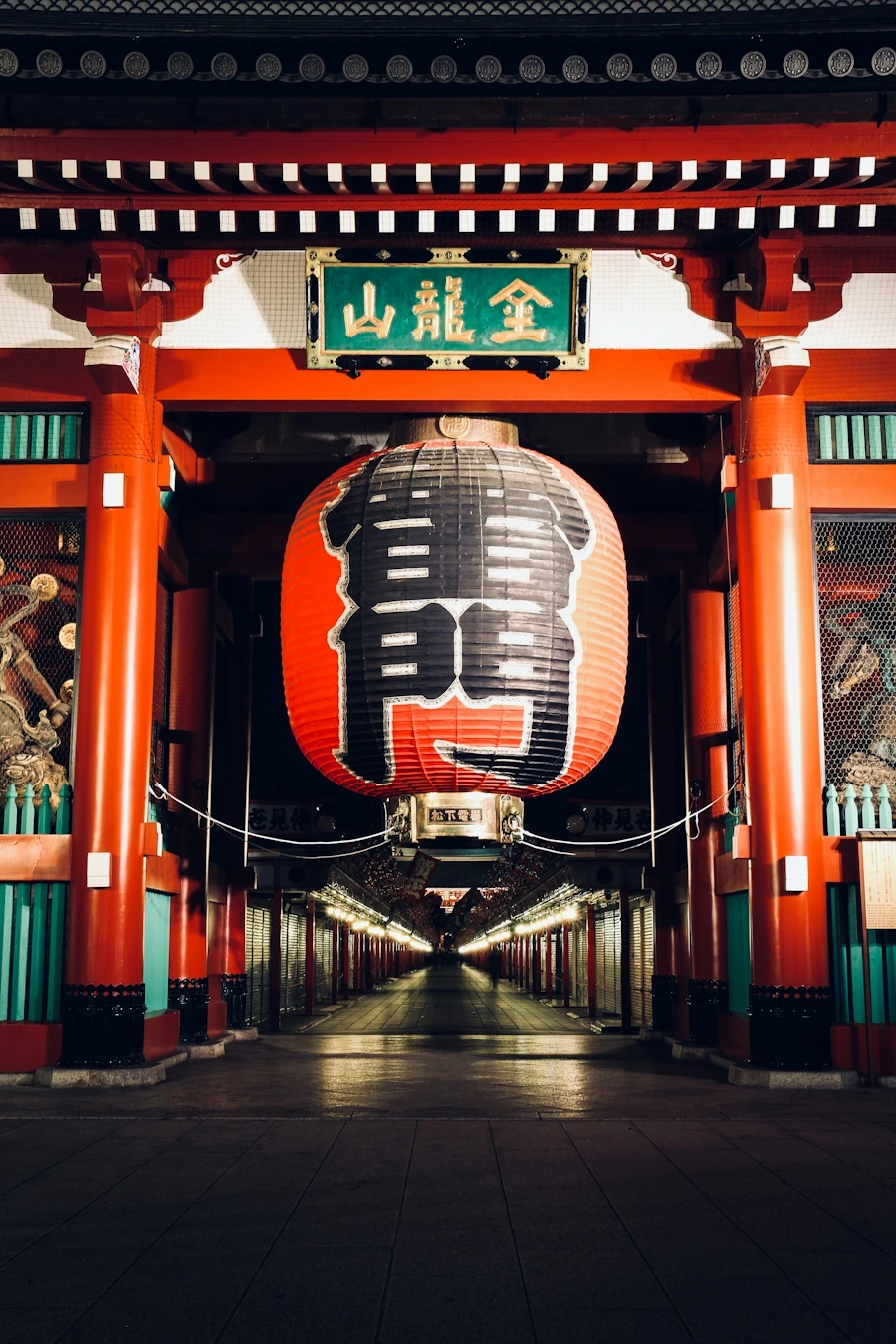
Kaminarimon is the obvious beginning, but do not use all your attention at the first gate. Follow the approach, read the temple’s instructions, and observe how people move between shopping, sightseeing, and prayer. You can appreciate the scale and detail without putting yourself in the center of every view. Keep a respectful distance from those making offerings and follow photography restrictions where indicated.
After the main approach, choose one adjoining street instead of immediately leaving. A different angle on the same complex can make the visit feel less compressed. If you buy a snack or souvenir, use the space provided by the shop and keep the passage clear. Avoid collecting so many small purchases that the rest of the day becomes an exercise in carrying bags.
Use the river as an interval
The Sumida River gives Asakusa an open edge. Walk toward a public riverside section or a suitable bridge view, checking crossings and access on the ground. Seeing the river helps explain the district’s relationship with the rest of Tokyo. The skyline can be interesting, but watch the water and the movement around it as well. A city becomes easier to understand when you see one of its connecting spaces.
Then choose your transfer to Ueno. You can walk if conditions and energy suit, but transit is a sensible option when the main purpose of the afternoon is a museum. There is no moral advantage in arriving at an exhibition already exhausted. Save your attention for the part you chose rather than spending it all on an in-between distance.
Choose one Ueno institution or a park afternoon
Ueno has several cultural institutions, so choose by subject rather than by proximity alone. If Japanese art and archaeology interest you, investigate the Tokyo National Museum’s current program and visitor information. Another collection may suit you better. Check exhibition-specific tickets and closure days before arriving, then allow time to look at a manageable selection rather than trying to complete an entire institution.
If you prefer the park, let that be the afternoon. Public paths, a lake-side section where accessible, and a comfortable place to pause can make a satisfying change after Asakusa. Ameyoko can provide a busier final chapter if you still want shops and food, but it is optional. The best finish is the one you will enjoy staying in, not the one that makes your itinerary longest.
Use the transfer to protect your attention
Asakusa has several rail arrivals with similar names, so check the line and final exit instead of assuming every result brings you to the same corner. If the temple approach is first, choose a direct pedestrian route and save shopping for after you have oriented yourself. Early arrival and open shops are different priorities: Nakamise may not present the same commercial activity at the quieter hour you selected for the temple. Decide which version appeals rather than expecting a peaceful empty approach and a complete browsing session at once.
At Senso-ji, use the signs and the movement of worshippers to understand where visitors should stand. A popular sightseeing setting can still contain acts of prayer that deserve privacy. Look at the main approach, then choose a side street where public access is clear. You may find that a less central angle helps you appreciate the scale of the complex more easily. If you buy a snack, finish it where the shop directs rather than carrying it through every crowded passage. The same consideration applies to holding a group in the middle of a gate for several rounds of photographs.
The Sumida River provides an interval that is different from another retail stop. Choose a safe public viewing section and notice how bridges and buildings relate to the water. If a boat journey appeals, check the actual destination and timetable before allowing it to replace the Ueno plan. A spontaneous change can be excellent, but it should be a conscious choice, not an accidental consequence of boarding the first departure. For the original two-district day, a simple transit transfer can preserve attention for the afternoon’s cultural visit without making the journey itself the largest event.
Before Ueno, choose the subject you want rather than merely the museum name. Art, archaeology, natural history, and other collections ask different things of a visitor. Check the current exhibition information and whether a separate ticket or reservation applies. Once inside, pick a few galleries or works and give them adequate time. You are not obliged to read every label to justify admission. A deliberate selection can create a stronger impression than a rushed attempt to traverse a whole institution before closing. Leave something for a future visit instead of treating the building like a route to finish.
If you opt for the park instead, let that decision be complete. A suitable path, a seated pause, and a change of view can provide an afternoon without another interior. Ameyoko can become a final food-and-shopping chapter only if it still appeals. There is no need to pass through because it appears near your station. Finish with the energy to navigate the correct departure platform, which may be more useful than one last market circuit. Asakusa and Ueno have offered two different ways to look at Tokyo; they do not require a third district to make the day count.
Give the museum a small personal question
Before entering your selected Ueno institution, choose a subject you would like to understand a little better. It might be a material, a period, a type of object, or simply how the collection explains a familiar theme. Follow that question through a manageable number of displays rather than reading labels indiscriminately. When you leave, describe one thing that changed your understanding. This makes the indoor visit a distinct chapter after Senso-ji and the Sumida River. You do not need a complete survey of Japanese culture in one afternoon; a useful new question is a perfectly good result of a carefully chosen museum visit.
Sources & further reading
First published 18 October 2026. Page updated 19 October 2026. Planning references checked on 18 October 2026. The edition date above follows your device’s time zone; it does not indicate a new research check. Confirm current opening details and booking arrangements with the places you plan to visit.